


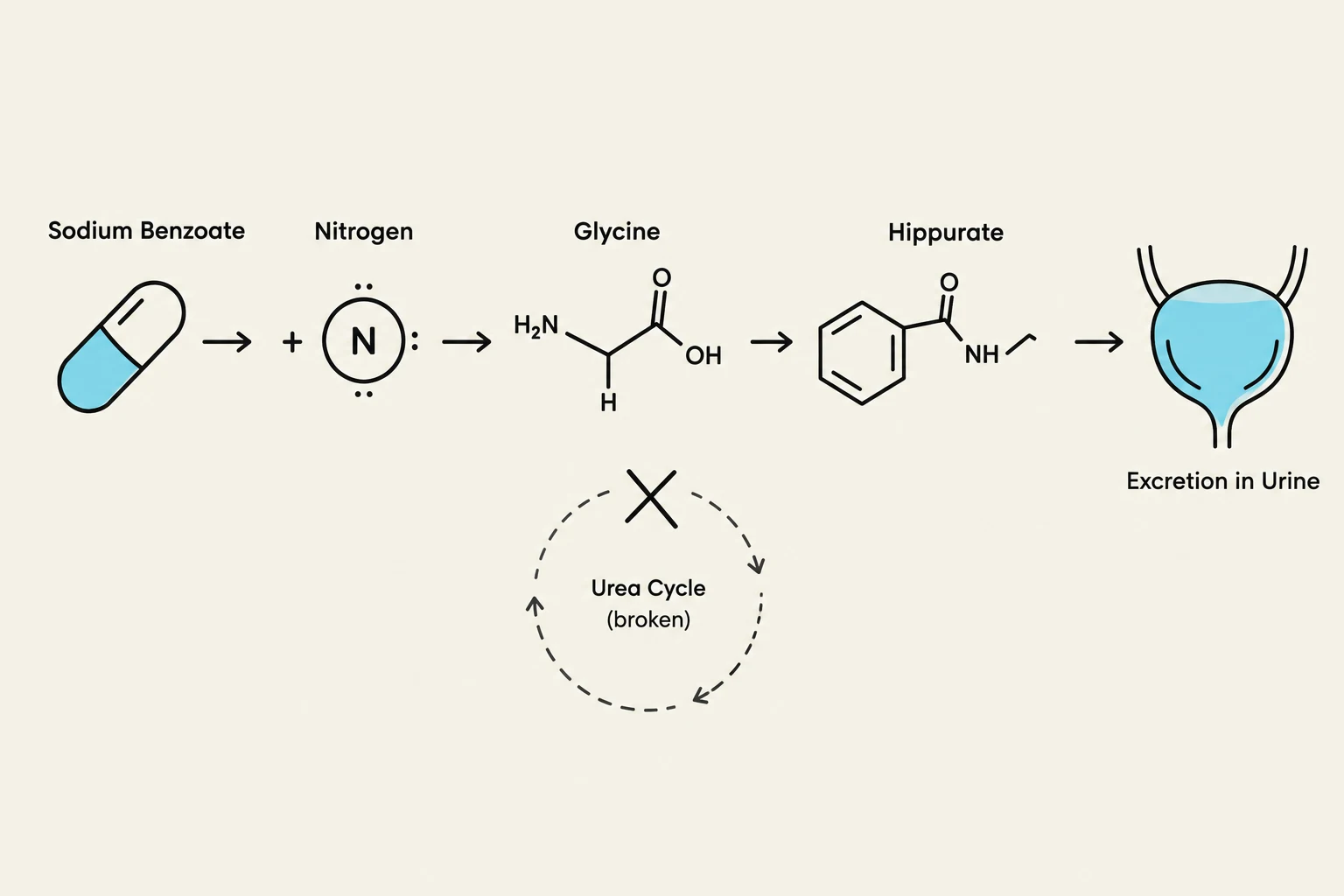
In the complex landscape of human metabolism, the body must constantly balance the intake of nutrients with the efficient removal of toxic byproducts. One of the most critical processes involves the management of nitrogen, a component of amino acids found in proteins. When proteins are broken down, they release ammonia (), a substance that is highly toxic to the central nervous system. To prevent poisoning, the body utilizes a specialized biochemical pathway known as the urea cycle to convert this ammonia into urea, a water-soluble and much safer compound that can be easily excreted through urine.
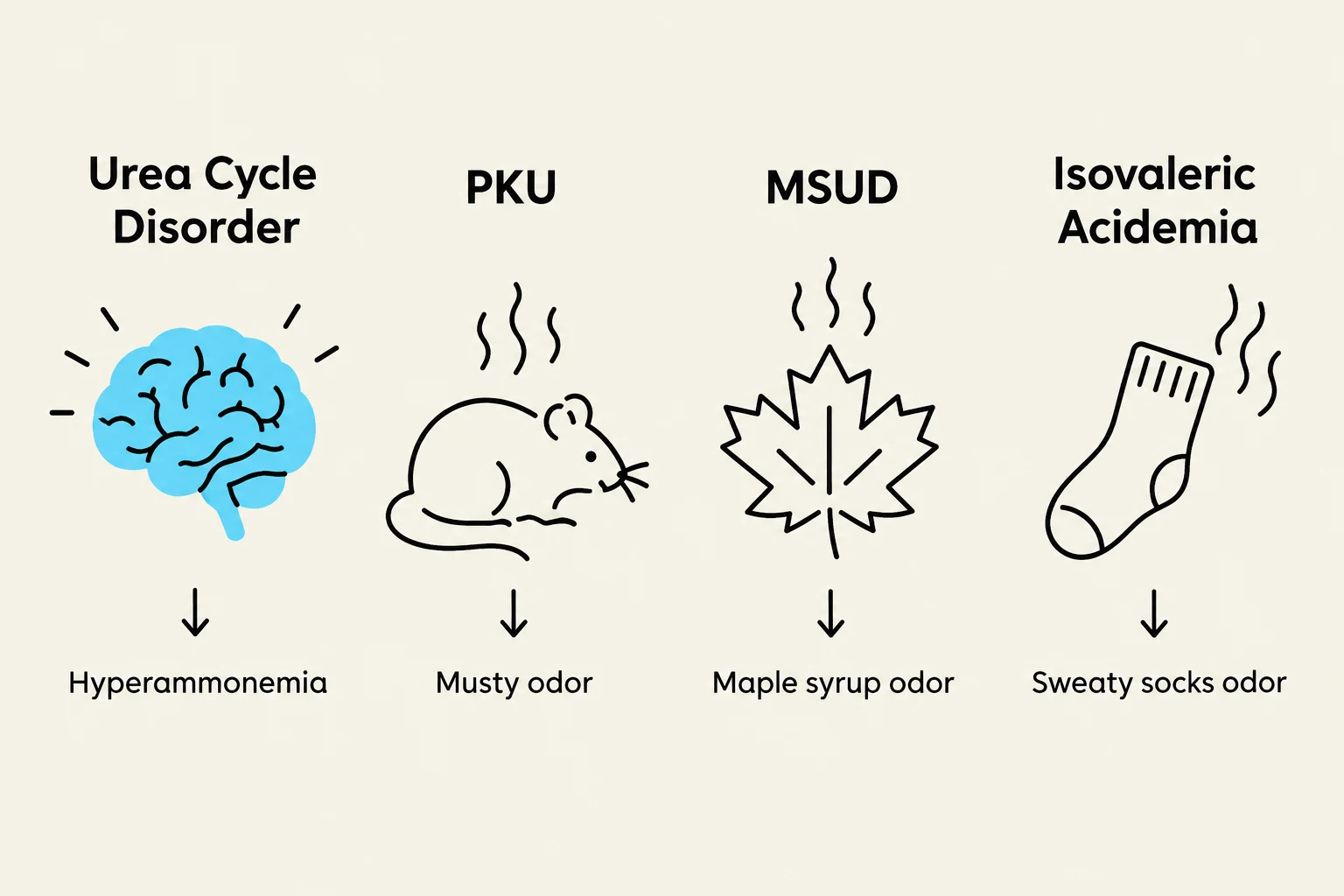
A Urea Cycle Disorder (UCD) occurs when a genetic defect disrupts this essential conversion process. When the cycle fails, ammonia accumulates in the bloodstream, leading to a dangerous state known as hyperammonemia.
The Biochemistry of Ammonia Conversion
Under normal physiological conditions, the urea cycle serves as the primary mechanism for nitrogen detoxification. As proteins are metabolized into amino acids, nitrogen is released into the "nitrogen pool". The urea cycle then takes this and processes it through a series of enzymatic reactions to produce urea.
A common and significant specific defect in this pathway involves the enzyme ornithine transcarbamylase (OTC). Because these disorders are often genetic in nature, a deficiency in even a single enzyme can halt the entire pathway, causing a "substrate excess" where the toxic metabolite (ammonia) builds up because it cannot be converted into the next product in the chain.
Clinical Manifestations: Hyperammonemia and Brain Damage
The hallmark clinical feature of all UCDs is hyperammonemia. Because ammonia is neurotoxic, high concentrations in the blood are directly responsible for causing severe and potentially irreversible brain damage.
Keep reading for free.
Create an account to finish this reading and make it part of your study routine.
Continue reading freeAlready have an account? Log in
Updated