


In clinical practice, managing a patient's fluid and electrolyte balance is a fundamental nursing responsibility. When oral intake is insufficient or when a patient experiences significant fluid loss, intravenous (IV) therapy becomes necessary. The type of solution administered is determined by its osmolarity—the concentration of solutes within the fluid—relative to the concentration of solutes within the patient's cells.
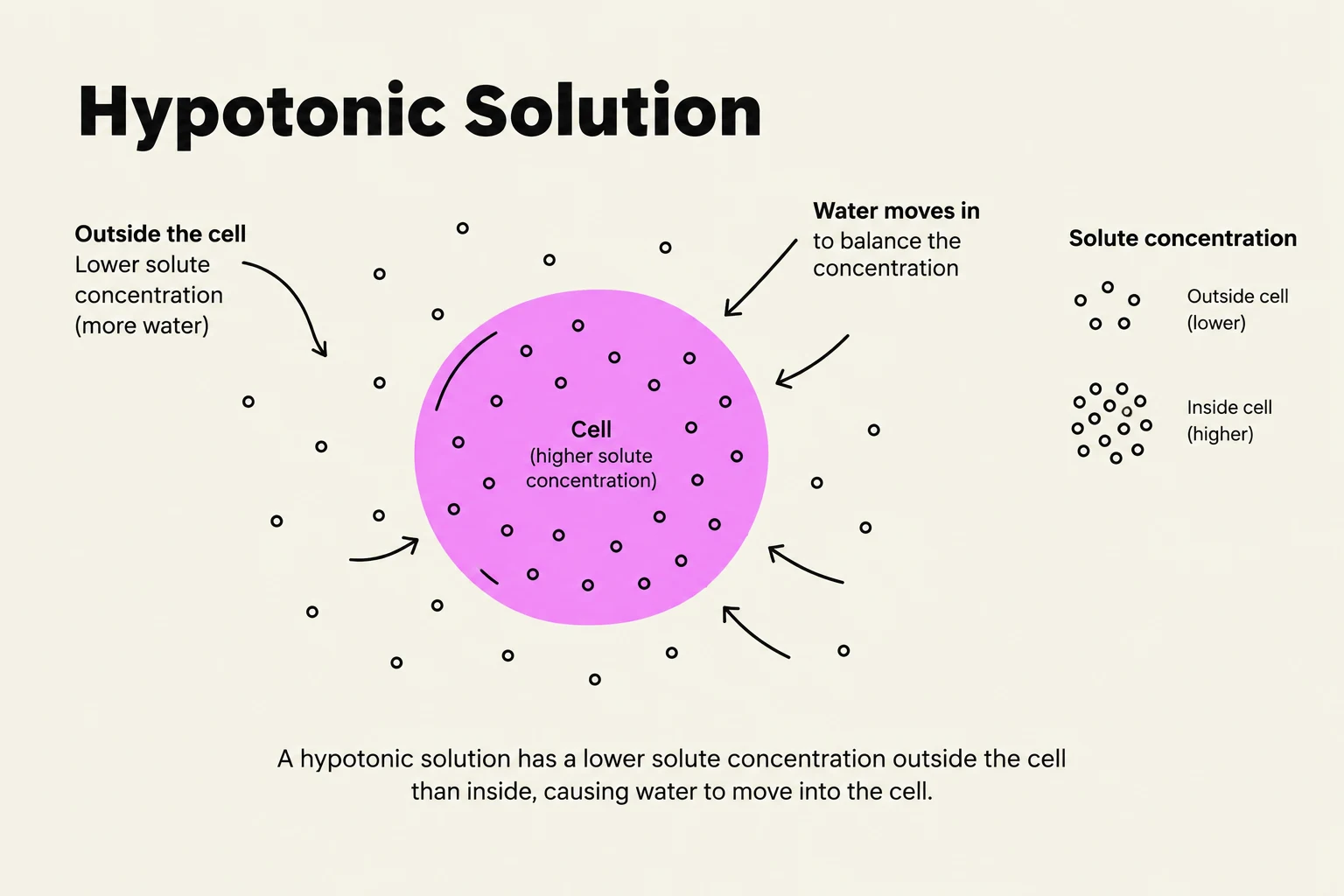
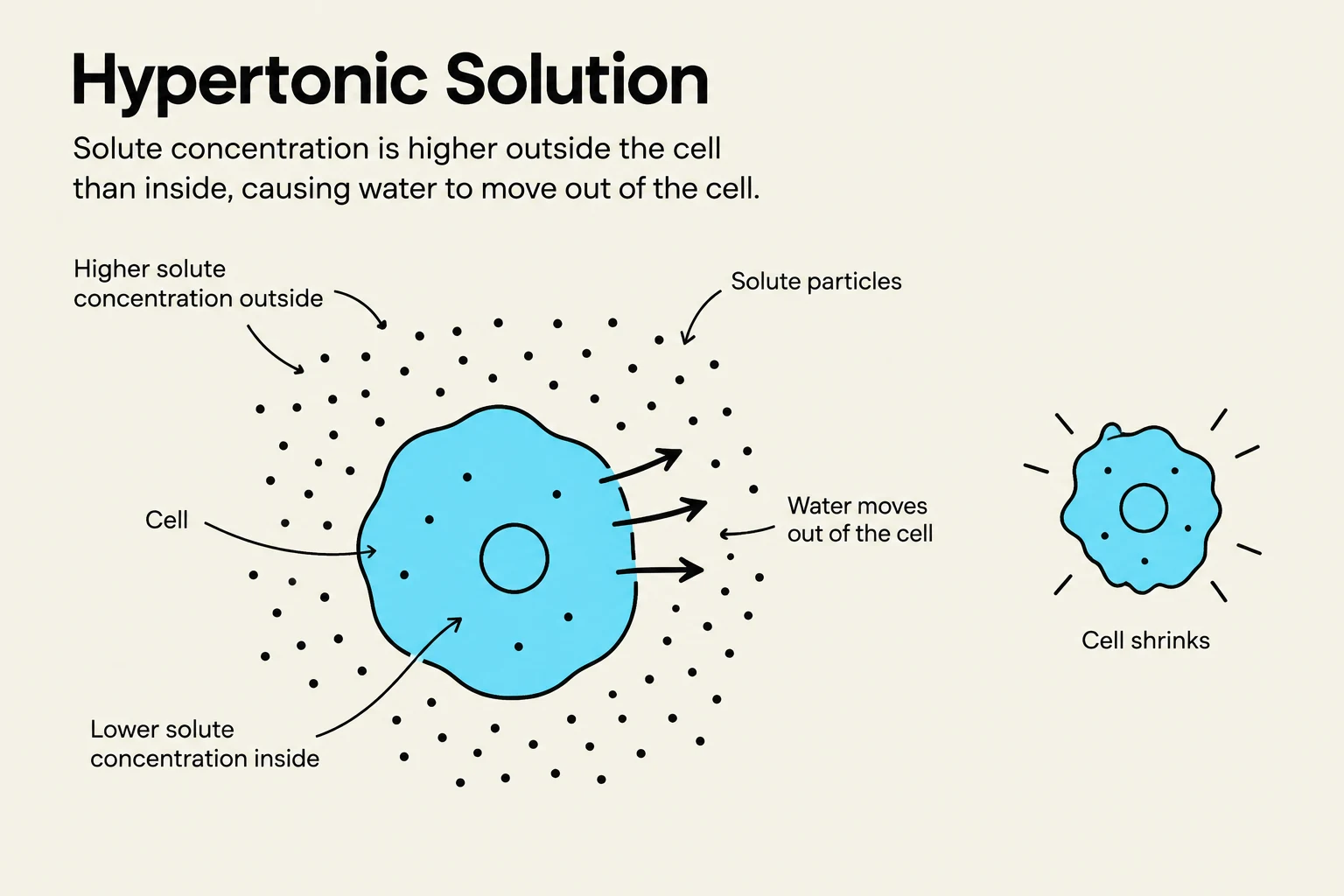
Understanding how these solutions interact with cellular and vascular compartments is critical for preventing life-threatening complications such as cerebral edema or cardiovascular collapse. This article explores the three primary categories of IV solutions: isotonic, hypotonic, and hypertonic.
Isotonic Solutions: Maintaining Stability
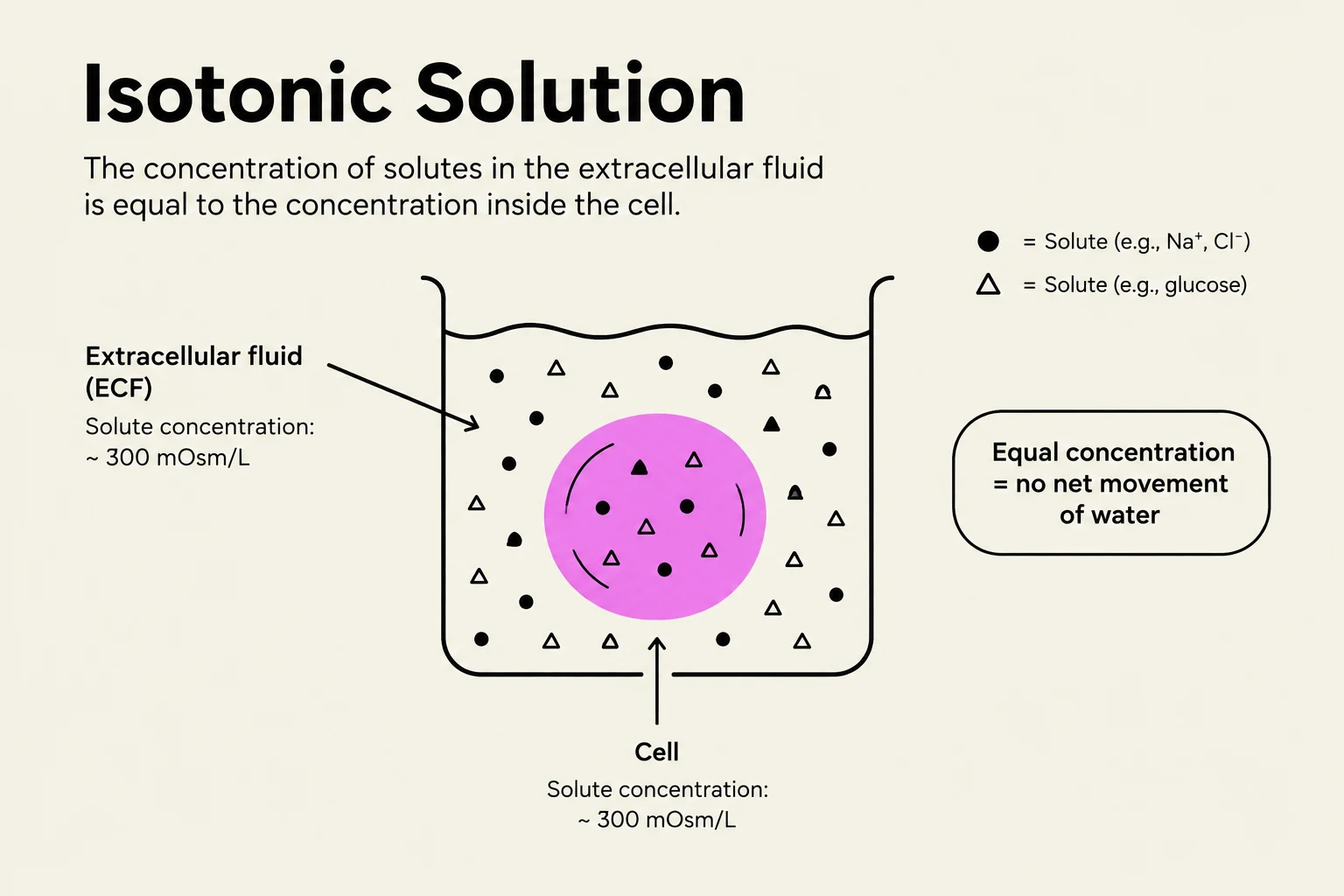
Isotonic solutions are characterized by having an osmotic pressure equal to that of the intracellular environment. Because the concentration of solutes is balanced, there is no net movement of water between the intravascular space (the blood vessels) and the intracellular space (the cells). Consequently, these solutions cause no fluid shifts.
Common Examples and Indications
The primary goal of administering isotonic solutions is vascular expansion and electrolyte replacement. They are frequently used to increase blood volume in patients experiencing hemorrhage or dehydration.
- Normal Saline (0.9% NaCl): The most common isotonic solution used for volume replacement.
- Lactated Ringer's (LR): Often used in trauma or surgical settings because it contains electrolytes that more closely mimic human plasma.
Nursing Considerations
When administering isotonic solutions, the most significant risk is fluid overload. Nurses must monitor patients closely for signs such as crackles in the lungs, edema, or increased blood pressure, particularly in patients with pre-existing renal or cardiovascular disease.
Keep reading for free.
Create an account to finish this reading and make it part of your study routine.
Continue reading freeAlready have an account? Log in
Updated