


When we discuss the complications of Type 2 Diabetes Mellitus (T2DM), the conversation often focuses on the heart, kidneys, or peripheral nerves. However, emerging research highlights a critical and often overlooked target: the brain. As a chronic metabolic condition, T2DM does more than just alter blood chemistry; it initiates a cascade of structural and functional changes that can lead to significant neurological decline.
Understanding Type 2 Diabetes Mellitus
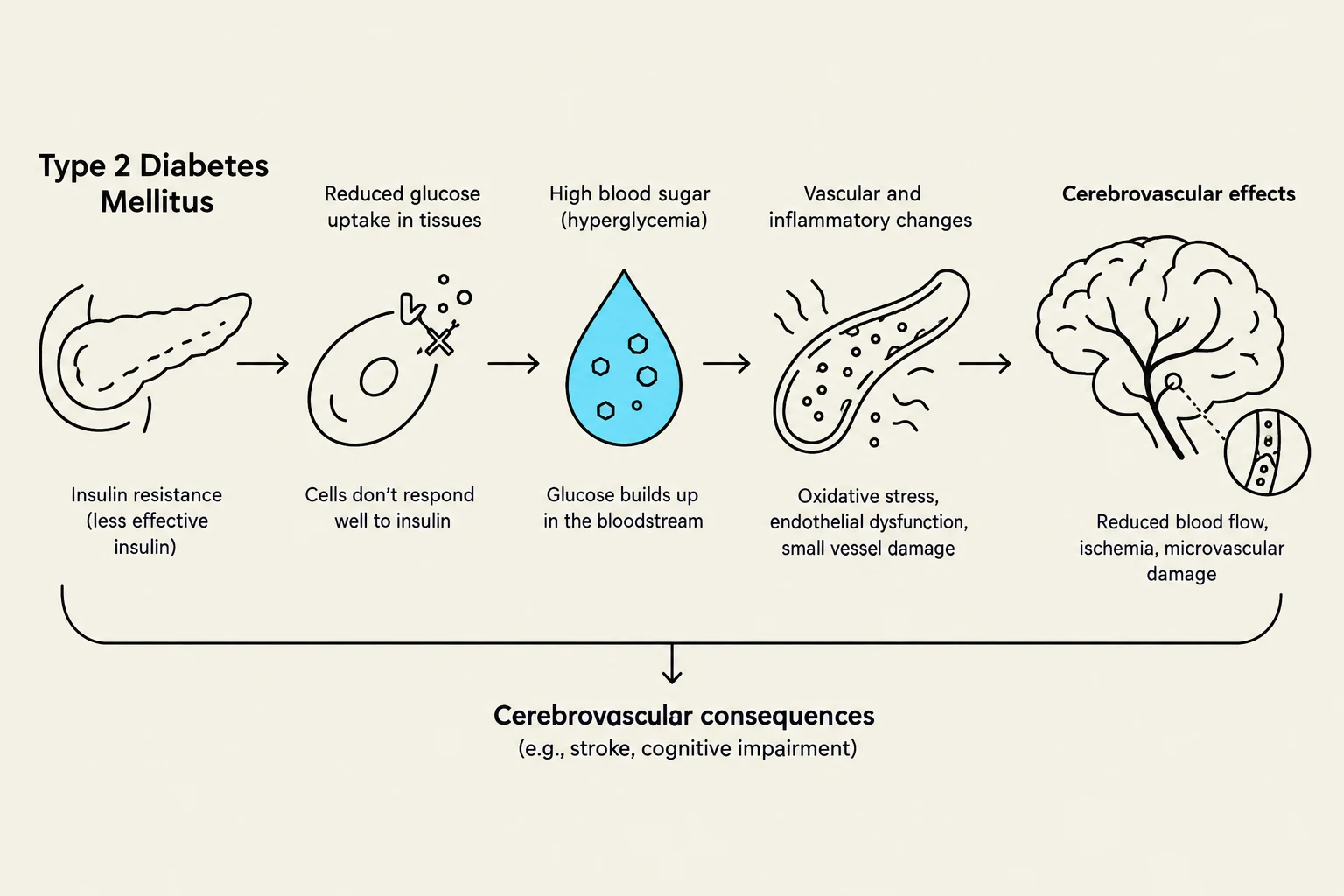
Type 2 Diabetes Mellitus is defined by a fundamental breakdown in how the body processes energy. The hallmark of this condition is insulin resistance, a state where the body's cells do not respond effectively to insulin, leading to elevated blood glucose levels. While the exact etiology involves a complex interplay of genetics, obesity, and sedentary lifestyles, the physiological result is a persistent state of hyperglycemia.
In the context of neurology, this metabolic dysfunction is not merely a systemic issue. The brain is an energy-intensive organ, and disruptions in glucose metabolism can trigger a domino effect of damage throughout the central nervous system.
Study Tip: When analyzing metabolic diseases, always distinguish between systemic complications (like neuropathy) and central nervous system complications (like cognitive decline). In T2DM, both occur simultaneously due to the shared mechanism of insulin resistance.
The Path to Cognitive Decline
One of the most concerning effects of T2DM is accelerated cognitive decline. This decline is not caused by a single factor but is rather the result of two converging pathways: cerebrovascular changes and neurodegenerative processes.
- Cerebrovascular Changes: High blood sugar can damage the small blood vessels in the brain, affecting blood flow and oxygen delivery.
- Neurodegenerative Processes: Similar to the mechanisms seen in Alzheimer’s Disease—where amyloid plaques and neurofibrillary tangles disrupt neuronal function—metabolic dysfunction can contribute to the gradual deterioration of cognitive, functional, and behavioral abilities.
Keep reading for free.
Create an account to finish this reading and make it part of your study routine.
Continue reading freeAlready have an account? Log in
Updated