


The human body relies on a complex network of communication to maintain homeostasis and respond to the environment. While the nervous system provides rapid, electrical signaling, the endocrine system offers a different method of regulation: a system of ductless glands that secrete chemical messengers known as hormones directly into the bloodstream. These hormonal changes are typically slower-acting than neural impulses but result in much more long-lasting effects on the body.
Fundamentals of Endocrine Function
At its core, the endocrine system is defined by its method of delivery. Unlike exocrine glands that use ducts to transport secretions to specific surfaces, endocrine glands release their contents into the blood. These substances, called hormones, travel throughout the body to reach target organs and tissues.
The endocrine system does not work in isolation; it interacts closely with the nervous system to coordinate physiological responses. This interaction is most evident in the way the brain perceives environmental stimuli and triggers hormonal cascades to prepare the body for action.
The Master Regulators: Hypothalamus and Pituitary Gland
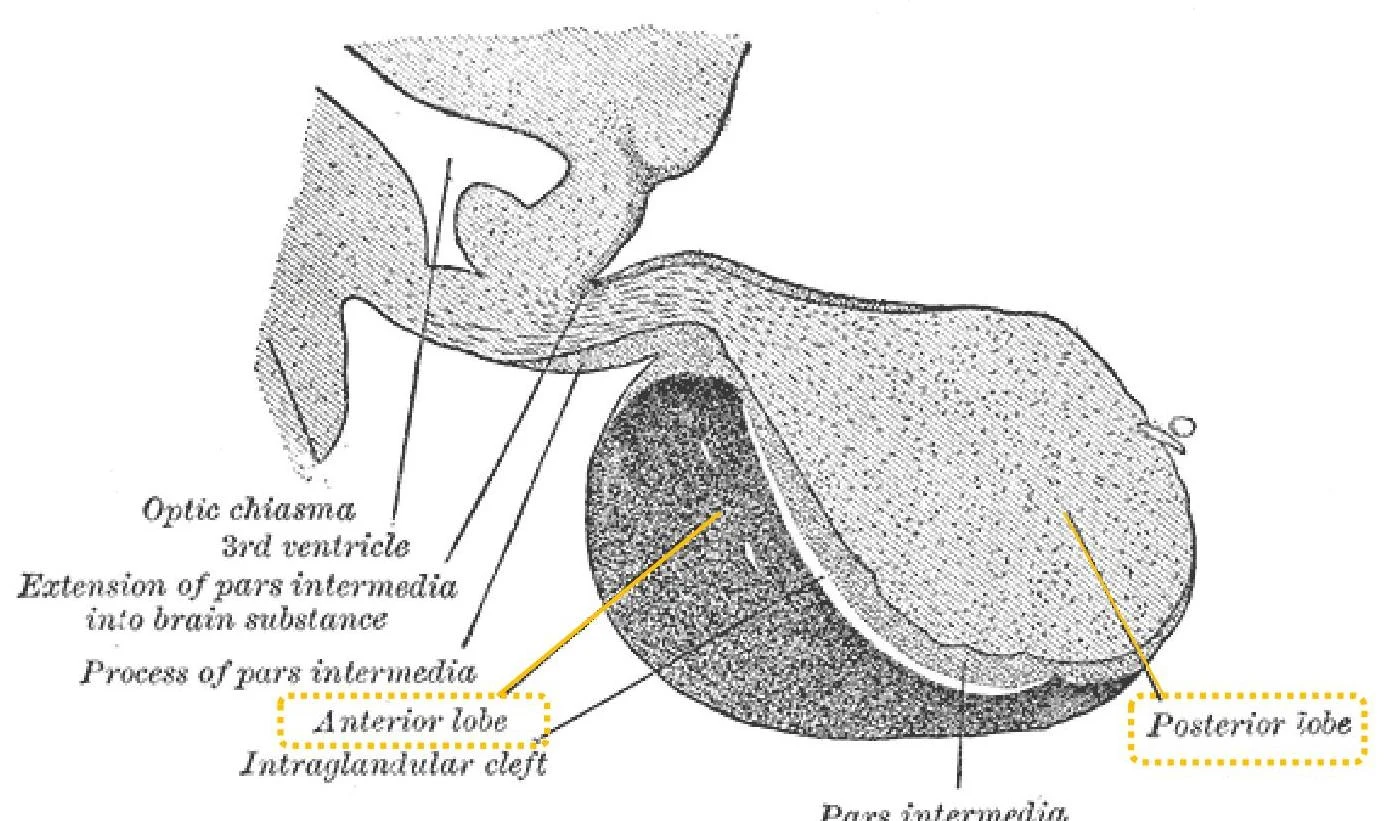
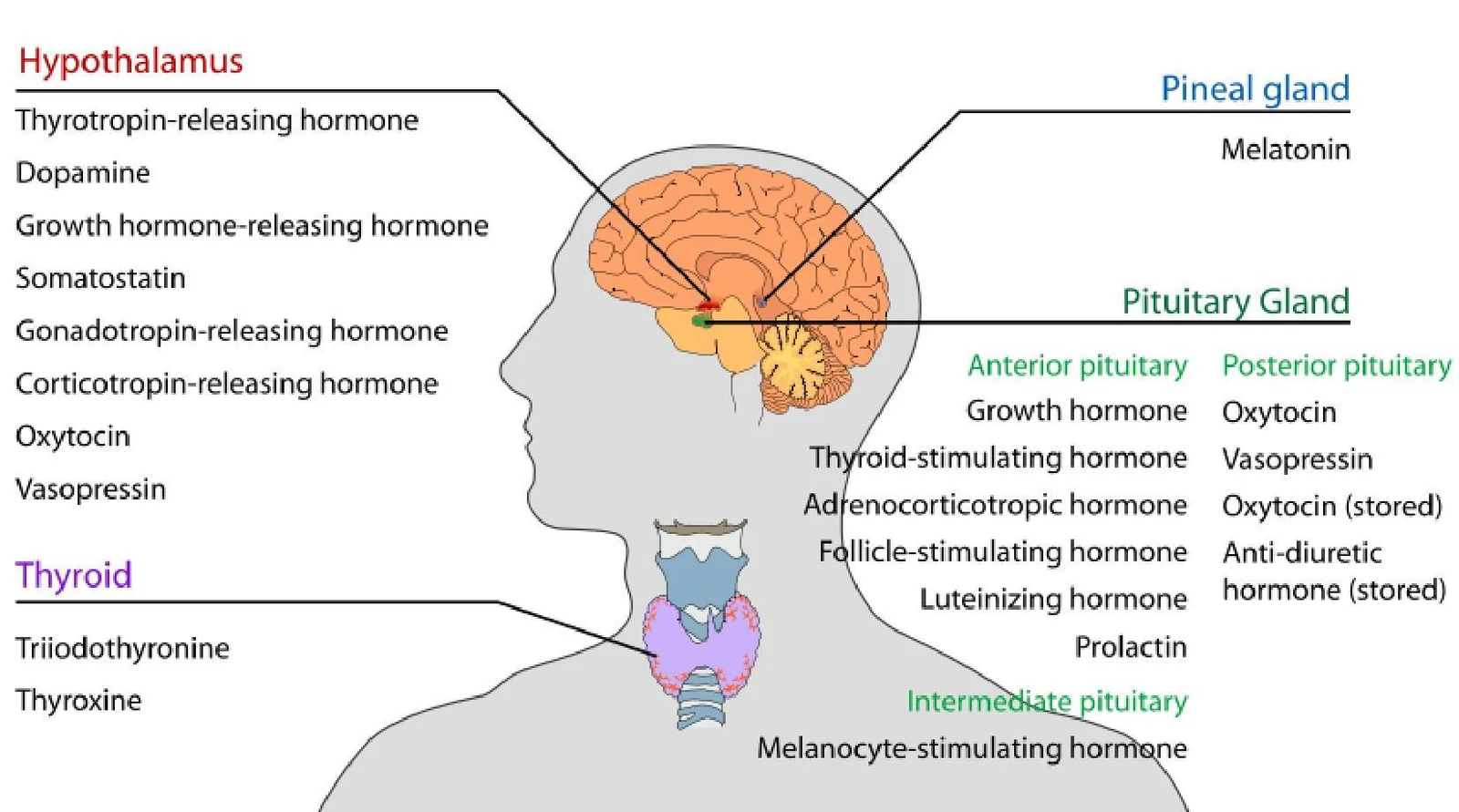
The coordination of the endocrine system is largely managed by two key structures located within the brain: the hypothalamus and the pituitary gland.
The Hypothalamus
Located in the forebrain (specifically the diencephalon), the hypothalamus serves as the critical link between the nervous system and the endocrine system. It performs several vital regulatory functions, including the regulation of water balance, appetite, and sexual desire. Furthermore, it controls parts of the medulla that manage cardiac function, blood pressure, and respiration.
Keep reading for free.
Create an account to finish this reading and make it part of your study routine.
Continue reading freeAlready have an account? Log in
Updated