


Nursing management of menstrual diagnosis and contraception requires a high level of clinical vigilance. Nurses must be prepared to assess complex risk factors, manage various hormonal therapies, and provide clear, actionable education to patients regarding administration, side effects, and potential drug interactions. Whether managing postmenopausal hormone therapy or selecting a contraceptive method, the goal is to balance efficacy with patient safety.
Hormone Therapy (HT) and Estrogen Management
When caring for postmenopausal women receiving Hormone Therapy (HT), the primary nursing priority is cardiovascular safety. While HT is used to manage symptoms of menopause, it carries significant risks that must be monitored closely.
Cardiovascular Risks and Prevention
A major concern with daily estrogen use is the increased likelihood of experiencing a stroke or venous thromboembolism (VTE). Because of these risks, nurses must perform thorough risk assessments, including evaluating the patient's smoking status, family history of stroke, and overall lifestyle factors.
To mitigate the risk of serious cardiovascular events, such as myocardial infarction or stroke, nurses should provide lifestyle counseling. Patients should be encouraged to:
- Maintain regular aerobic activity.
- Adopt a diet low in trans fats.
Exam Tip: If a patient on estrogen therapy reports sudden chest pain, shortness of breath, severe headache, or sudden visual disturbances, these may be signs of serious adverse effects and require immediate medical attention.
Contraceptive Management
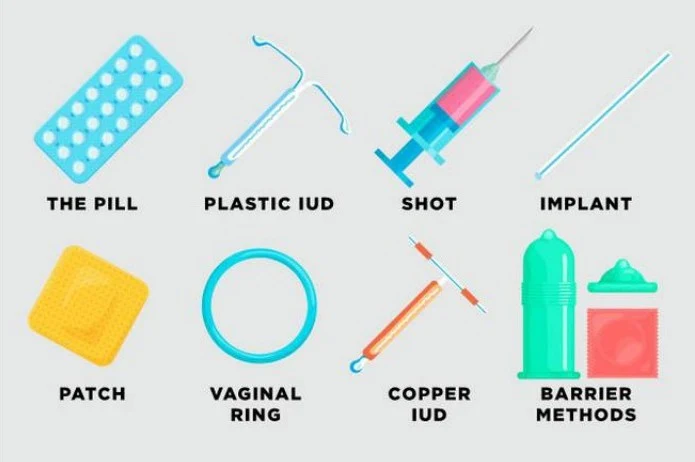
Contraception involves a wide array of pharmacological and non-pharmacological methods. Nurses play a critical role in helping patients navigate these options based on their medical history and lifestyle.
Combination Oral Contraceptives (COCs)
COCs contain both estrogen and progestin to inhibit ovulation. While effective, they are not suitable for all populations.
Keep reading for free.
Create an account to finish this reading and make it part of your study routine.
Continue reading freeAlready have an account? Log in
Updated