


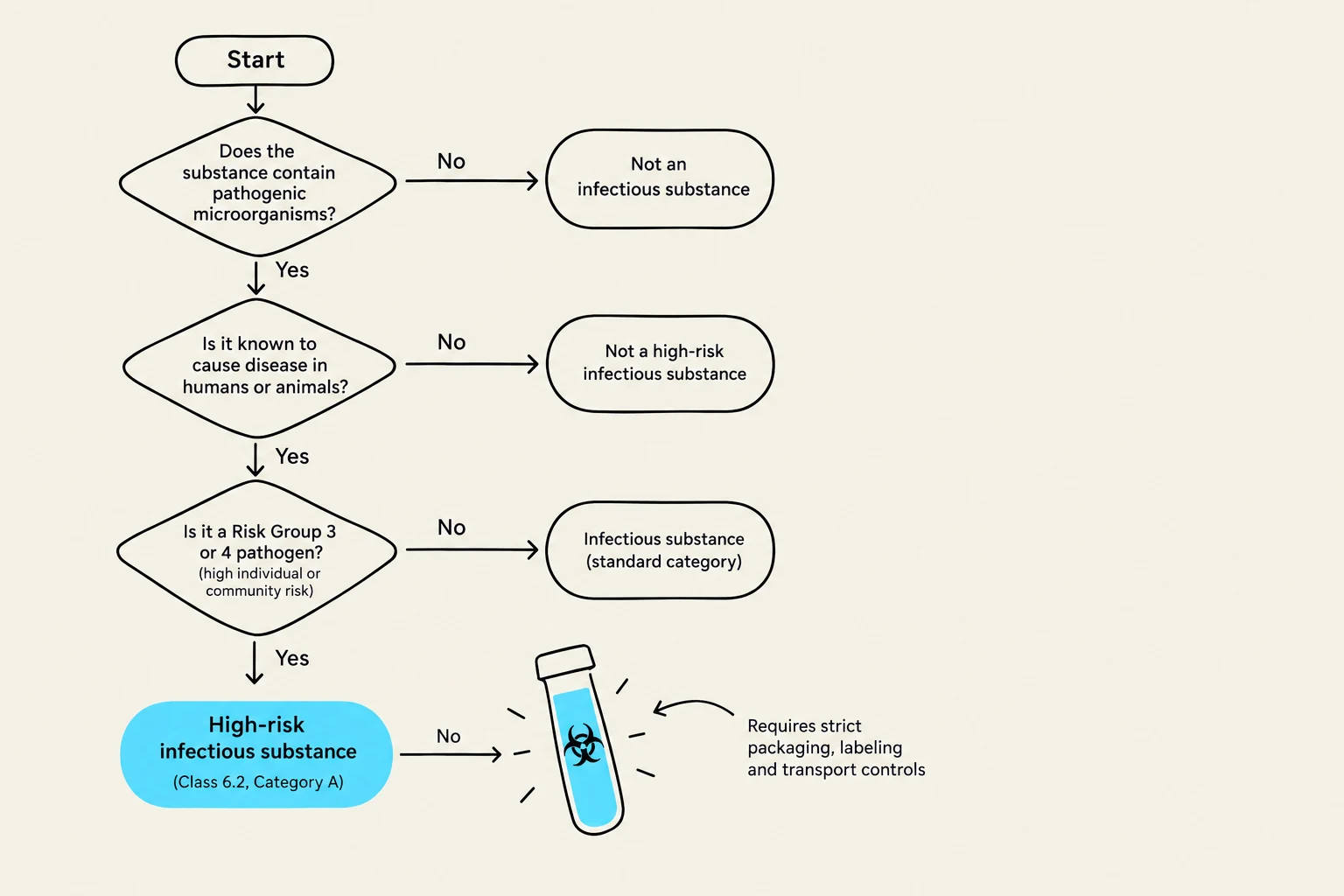
Working in a laboratory environment requires a high level of situational awareness. Safety is often defined as the "right to know" about the specific hazards one is encountering in the workplace. Because laboratories contain a complex mix of biological, chemical, physical, and equipment-related hazards, personnel must follow established protocols to minimize risks. This article explores the diverse landscape of laboratory hazards and the strict regulatory frameworks governing the movement of dangerous goods.
Identifying Laboratory Hazards
Hazards are categorized by their nature and how they interact with the human body. Understanding these categories is the first step in performing an effective risk assessment.
Thermal, Pressure, and Physical Hazards
Physical hazards can stem from temperature extremes or mechanical forces. Thermal hazards include heat-producing equipment and cryogenic materials. For instance, liquid nitrogen poses a significant risk of cryogenic burns, while dry ice presents an asphyxiation risk if allowed to sublimate in poorly ventilated areas.
Pressure differences can also arise unexpectedly, such as during vacuum procedures or sudden shifts in temperature, which may cause containers to fail. Beyond temperature, noise exposure from machinery can lead to hearing loss or psychological distress.
Radiation Hazards
Radiation is divided into two primary categories based on energy levels:
- Ionizing Radiation: Includes X-rays and gamma rays. These possess enough energy to remove electrons from atoms, which can cause acute or chronic damage to biological tissues, particularly the bone marrow.
- Non-ionizing Radiation: Includes ultraviolet (UV) light, microwaves, and lasers. While these carry lower energy than ionizing radiation, they can still cause significant eye damage or skin burns.

Keep reading for free.
Create an account to finish this reading and make it part of your study routine.
Continue reading freeAlready have an account? Log in
Updated