


The immune system serves as the body's sophisticated surveillance and defense network. Its primary mission is to distinguish between "self" (the body's own healthy cells) and "foreign" (pathogens, toxins, or abnormal cells). By identifying these intruders, the immune system can launch targeted responses to prevent infection, manage allergies, and combat cancer. This complex biological process is not isolated; it interacts closely with psychological and neuroendocrine factors to maintain overall health.
The Two Pillars of Immunity: Natural and Specific
The body does not rely on a single method of defense. Instead, it utilizes two complementary systems: natural immunity and specific immunity.
Natural Immunity
Natural immunity is the body's immediate, non-specific defense mechanism. It acts as the first line of defense against a wide variety of pathogens. When a threat is detected, certain cells congregate at the site of injury or infection to neutralize the danger.
Key components of the natural immune response include:
- Granulocytes: This is the largest group of cells involved in natural immunity.
- Phagocytes: Within the granulocyte group, cells like neutrophils and macrophages act as "eaters". They engage in phagocytosis, a process of engulfing and destroying foreign substances.
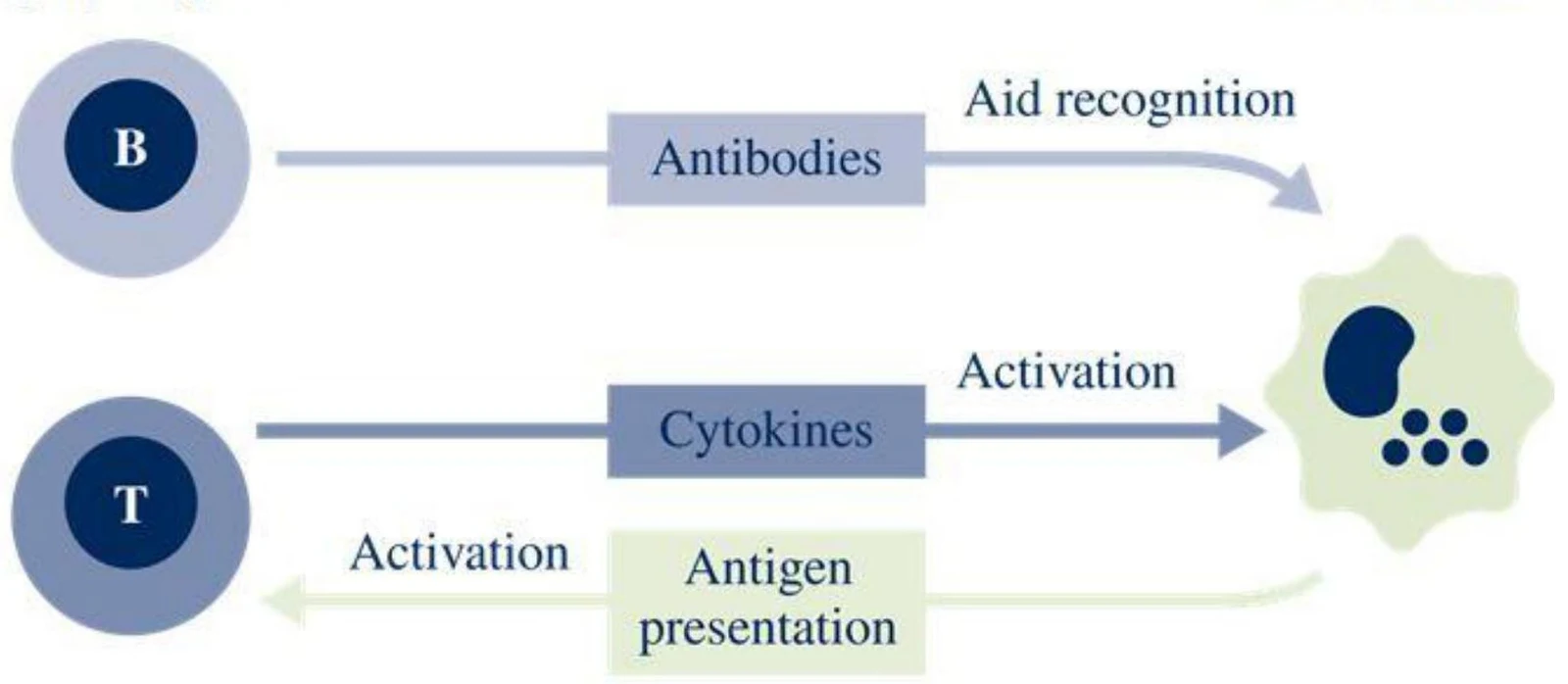
- Cytokines and Inflammation: Macrophages release signaling molecules called cytokines. These chemicals trigger inflammation and fever, which are essential processes that promote wound healing and help contain an infection.
- Natural Killer (NK) Cells: These specialized cells recognize viral infections or cancer cells and destroy them by releasing toxic factors. They are particularly important for limiting the early stages of viral infections and signaling the presence of malignancies.
Keep reading for free.
Create an account to finish this reading and make it part of your study routine.
Continue reading freeAlready have an account? Log in
Updated