


In pediatric nursing, the assessment of growth and development is a cornerstone of clinical practice. It is not merely about measuring height and weight; it is a systematic evaluation of physical, physiological, and developmental milestones to ensure a child is progressing within expected normative ranges. When a child's growth pattern deviates from the norm, the nurse must act as a critical observer, integrating anthropometric data with clinical signs to assist the provider in narrowing down potential etiologies.
The Foundation: Standard Growth Charts and Anthropometry
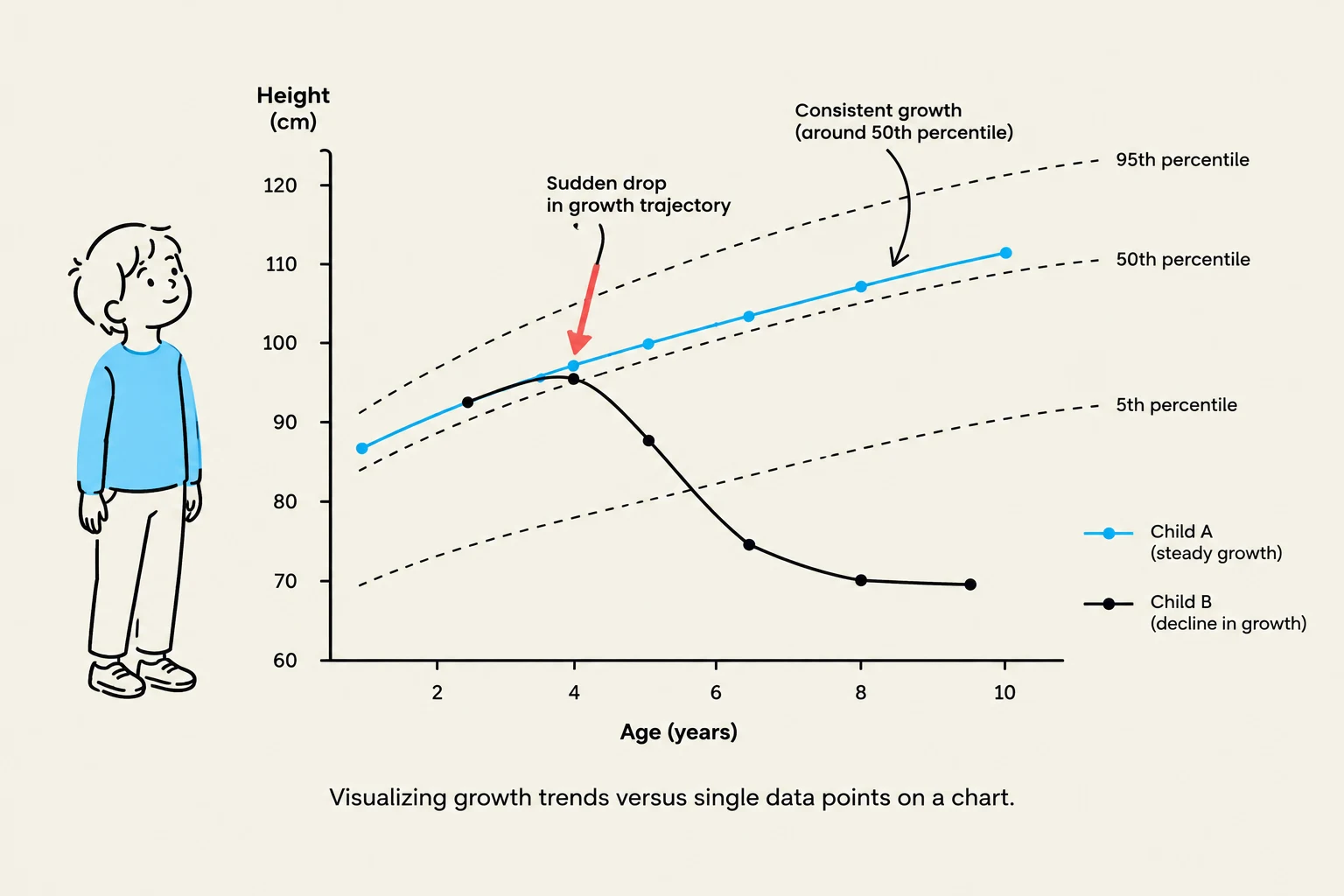
The primary tool for evaluating pediatric growth is the standard growth chart. These charts allow clinicians to plot physical measurements—such as height, weight, and head circumference—against age-matched populations. By visualizing these data points, healthcare providers can identify trends and deviations, such as short stature, which may indicate a need for further investigation.
Short stature is defined as a height that falls significantly below the expected range for a child's age and sex. However, height alone does not tell the whole story. A clinician must distinguish between:
- Constitutional variations: Such as "late bloomers" where a child's growth pattern is delayed but follows a normal trajectory (e.g., a father who did not enter puberty until age 16).
- Pathological conditions: Underlying medical issues that disrupt the normal growth process.
Clinical Tip: Always look for the trend on the growth chart rather than a single data point. A child who has always been in the 5th percentile is often less concerning than a child who has dropped from the 50th percentile to the 5th percentile.
Keep reading for free.
Create an account to finish this reading and make it part of your study routine.
Continue reading freeAlready have an account? Log in
Updated