


As men age, changes in the prostate gland become increasingly common, often leading to significant disruptions in urinary function. Benign Prostatic Hyperplasia (BPH) is one of the most prevalent conditions encountered in aging male populations, typically manifesting around age 50. While the term "hyperplasia" implies growth, understanding the specific anatomical and physiological mechanisms is crucial for differentiating BPH from more serious conditions like prostate cancer.
Prostate Anatomy and BPH Overview
The prostate is a vital male reproductive structure that surrounds the urethra. Its primary function includes contributing to the volume of the ejaculate.
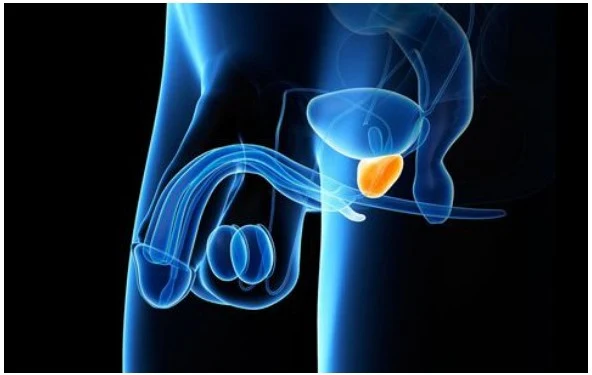
Benign Prostatic Hyperplasia (BPH) is defined as a nonmalignant enlargement of this gland. Although the exact etiology remains unknown, researchers associate the condition with hormonal imbalances—specifically a decrease in testosterone and a concomitant increase in estrogen. This hormonal shift triggers the proliferation of prostatic stromal cells and creates an imbalance in the maturation or death of prostate stem cells, ultimately leading to gland enlargement.
Mechanisms of Obstruction
The enlargement of the prostate causes urinary issues through two distinct pathophysiological pathways: mechanical and dynamic obstruction.
Mechanical Obstruction
Mechanical obstruction is caused by the physical overgrowth of epithelial cells. As these cells multiply, they increase the physical pressure exerted on the urethra, creating a direct flow obstruction.
Dynamic Obstruction
Dynamic obstruction involves the overgrowth of smooth muscle cells within the prostate. This results in thickened urethral walls, which diminishes the patient's ability to void effectively.
Keep reading for free.
Create an account to finish this reading and make it part of your study routine.
Continue reading freeAlready have an account? Log in
Updated