


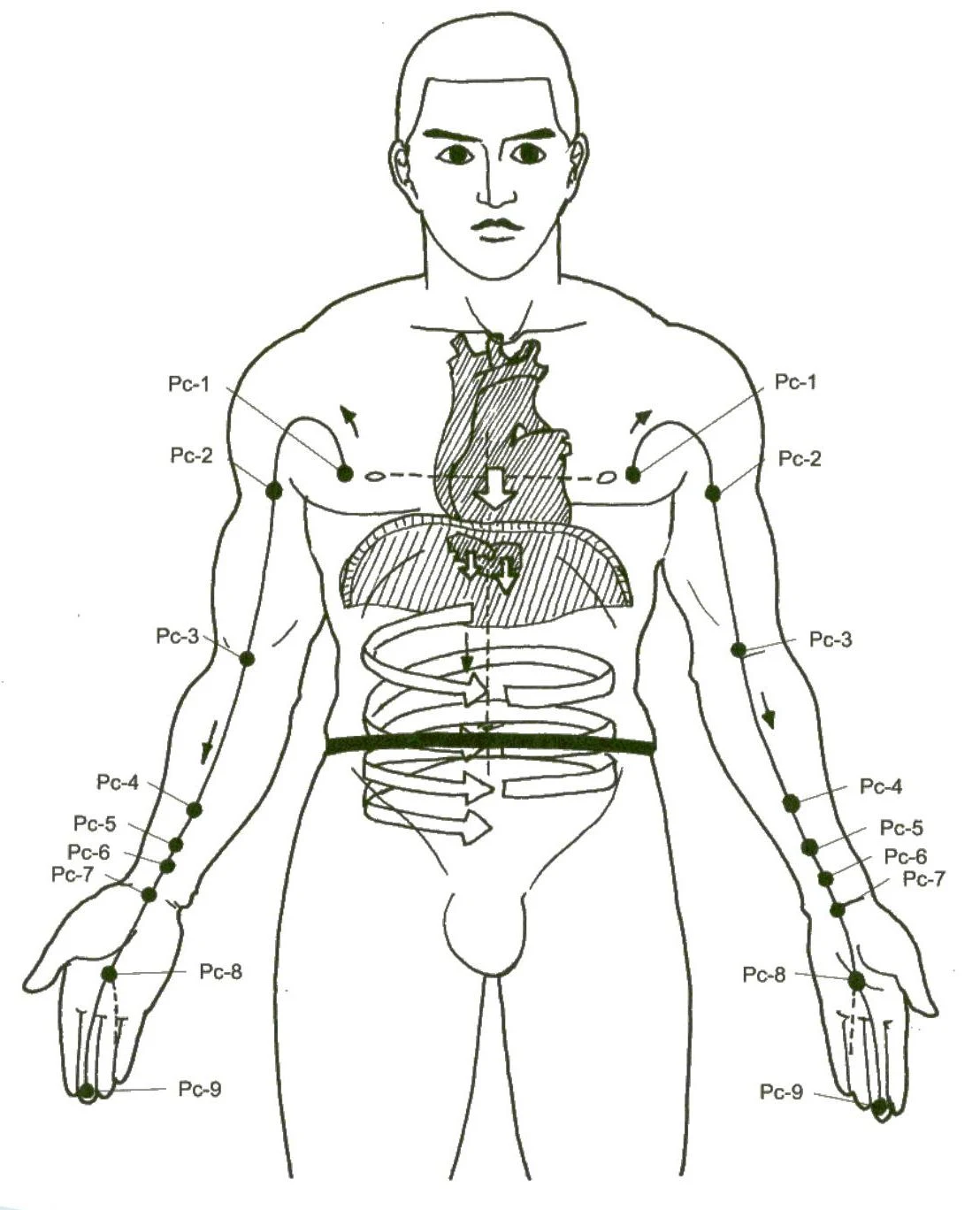
In Traditional Chinese Medicine (TCM), understanding the relationship between the internal organs and the energetic pathways that traverse the body is fundamental to diagnosis and treatment. This article explores the framework of Zang Fu theory, the specific physiological and pathological roles of the Pericardium, and the clinical application of the Pericardium meridian and its key acupuncture points.
Understanding Zang Fu Theory
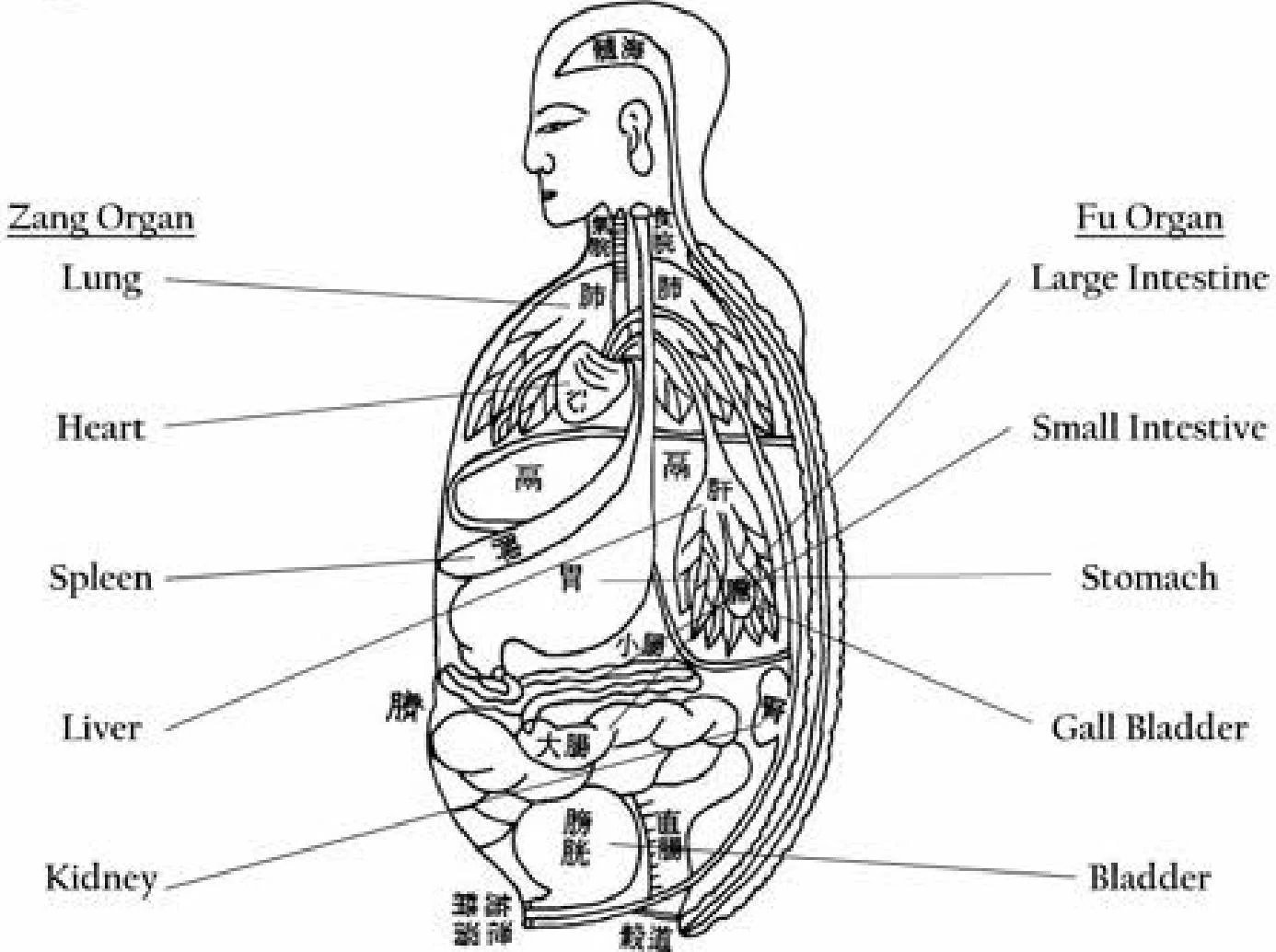
The Zang Fu theory (Zang Xiang theory) is a cornerstone of TCM that studies the internal organs, their physiological functions, and the pathological signs that relate to them. This theory also examines the relationship between these internal organs and natural phenomena.
The system is categorized into three main groups:
- Zang Organs: These are the Yin organs, including the Lung, Liver, Spleen, Kidney, and Heart (which includes the Pericardium).
- Fu Organs: These are the Yang organs, including the Small Intestine, Large Intestine, Gallbladder, Stomach, Bladder, and Sanjiao.
- Extraordinary Organs: These include the Brain, Marrow, Bone, Blood Vessels, and Uterus.
The Zang organs are characterized by their ability to store vital substances, while Fu organs are generally hollow and responsible for transformation and transportation.
The Pericardium and the Five Element Theory
In the Five Element Theory, the Pericardium is associated with the element of Fire. While the Heart is the primary organ of the Fire element, the Pericardium serves as its essential protector. Anatomically, the Heart is situated in the chest, above the diaphragm, and is enveloped externally by the Pericardium to provide protection.
Keep reading for free.
Create an account to finish this reading and make it part of your study routine.
Continue reading freeAlready have an account? Log in
Updated