


Entering the professional workforce requires more than just technical skills; it demands an understanding of the legal, ethical, and organizational frameworks that keep workers safe and projects moving. This article explores the evolution of the health and safety movement, the essential management skills required for professional success, and the structured approach needed to develop high-quality technical proposals.
The Evolution of the Health & Safety Movement
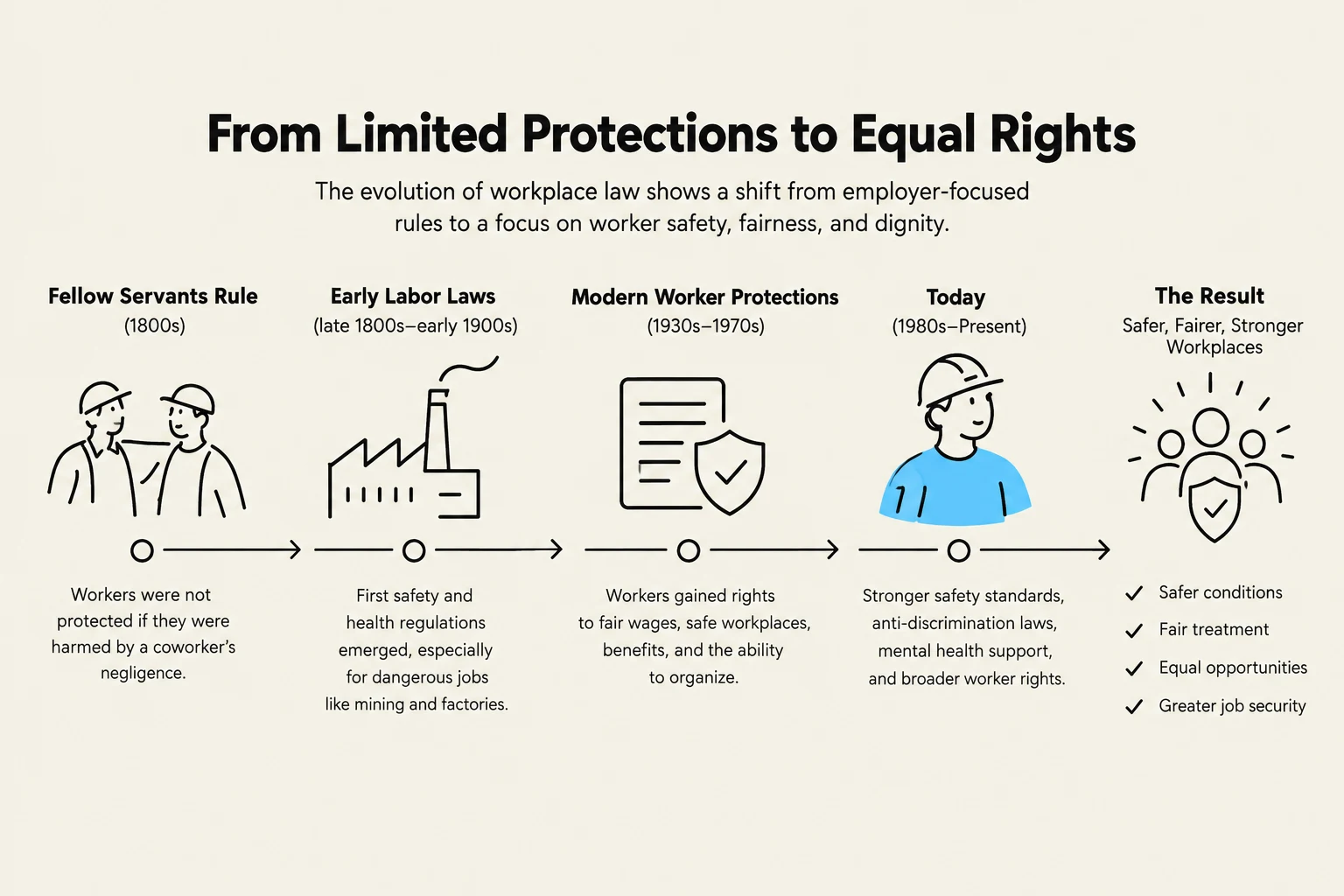
The concept of workplace safety has evolved from ancient, harsh legal codes to a sophisticated modern discipline. Historically, the legal landscape was often stacked against the worker. For instance, the Code of Hammurabi serves as an early historical marker for how societies began to address responsibility and consequences.
In the early stages of industrialization, several legal doctrines made it nearly impossible for injured workers to seek justice. These included:
- The Fellow Servants Rule: A doctrine that absolved employers of liability if an injury was caused by the negligence of a co-worker.
- Contributory Negligence: A concept where an employer could avoid responsibility if the worker was found to have contributed to their own accident in any way.
- Assumption of Risk: The idea that by accepting a job, a worker automatically accepted all inherent dangers associated with it.
The tide began to turn through the efforts of organized labour, which successfully fought to overturn these anti-labour laws. Today, safety improvements are driven by three primary factors: the pressure for protective legislation, the rising economic costs of accidents and injuries, and the increasing professionalism of safety as a dedicated career field.
Modern Worker Rights and Safety Definitions
In the modern Canadian context, safety is defined by three fundamental rights enjoyed by all workers:
- The Right to Know: Workers must be informed about any potential hazards in their workplace.
- The Right to Participate: Workers have the right to be represented on health and safety committees.
- The Right to Refuse: Workers have the legal authority to refuse work they believe is unsafe.
It is also vital to distinguish between Occupational Health & Safety (OHS) and Environmental Health & Safety (EHS). While OHS focuses on exposures experienced specifically within the workplace, EHS addresses exposures that spread beyond the workplace to the general public.
Exam Tip: Be prepared to distinguish between OHS and EHS. A common way to think about it is: if a chemical leak stays inside the factory, it is an OHS issue; if that leak enters the local river, it becomes an EHS issue.
The Three E's of Safety
To manage these risks, safety professionals traditionally rely on the "Three E's" of safety:
- Engineering: Designing safer equipment and workspaces.
- Enforcement: Ensuring rules and regulations are followed.
- Education: Training workers to recognize and avoid hazards.
![A diagram illustrating the Three E's of Safety: Engineering (design/tools), Enforcement (rules/compliance), and Education (training/knowledge).](sf-read-illust:mivyxiwkp50z5tuv9hjc29sts9hd6hs9hd6hs9hd6hs9hd6hs9hd6hs9hd6hs9hd6hs9hd6hs9hd6hs9hd6hs9hd6hs9hd6hs9hd6hs9hd6hs9hd6hs9hd6hs9hd6hs9hd6hs9hd6hs9hd6hs9hd6hs9hd6hs9hd6hs9hd6hs9hd6hs9hd6hs9hd6hs9hd6hs9hd6hs9hd6hs9hd6hs9hd6hs9hd6hs9hd6hs9hd6hs9hd6hs9hd6hs9hd6hs9hd6hs9hd6hs9hd6hs9hd6hs9hd6hs9hd6hs9hd6hs9hd6hs9hd6hs9hd6hs9hd6hs9hd6hs9hd6hs9hd6hs9hd6hs9hd6hs9hd6hs9hd6hs9hd6hs9hd6hs9hd6hs9hd6hs9hd6hs9hd6hs9hd6hs9hd6hs9hd6hs9hd6hs9hd6hs9hd6hs9hd6hs9hd6hs9hd6hs9hd6hs9hd6hs9hd6hs9hd6hs9hd6hs9hd6hs9hd6hs9hd6hs9hd6hs9hd6hs9hd6hs9hd6hs9hd6hs9hd6hs9hd6hs9hd6hs9hd6hs9hd6hs9hd6hs9hd6hs9hd6hs9hd6hs9hd6hs9hd6hs9hd6hs9hd6hs9hd6hs9hd6hs9hd6hs9hd6hs9hd6hs9hd6hs9hd6hs9hd6hs9hd6hs9hd6hs9hd6hs9hd6hs9hd6hs9hd6hs9hd6hs9hd6hs9hd6hs9hd6hs9hd6hs9hd6hs9hd6hs9hd6hs9hd6hs9hd6hs9hd6hs9hd6hs9hd6hs9hd6hs9hd6hs9hd6hs9hd6hs9hd6hs9hd6hs9hd6hs9hd6hs9hd6hs9hd6hs9hd6hs9hd6hs9hd6hs9hd6hs9hd6hs9hd6hs9hd6hs9hd6hs9hd6hs9hd6hs9hd6hs9hd6hs9hd6hs9hd6hs9hd6hs9hd6hs9hd6hs9hd6hs9hd6hs9hd6hs9hd6hs9hd6hs9hd6hs9hd6hs9hd6hs9hd6hs9hd6hs9hd6hs9hd6hs9hd6hs9hd6hs9hd6hs9hd6hs9hd6hs9hd6hs9hd6hs9hd6hs9hd6hs9hd6hs9hd6hs9hd6hs9hd6hs9hd6hs9hd6hs9hd6hs9hd6hs9hd6hs9hd6hs9hd6hs9hd6hs9hd6hs9hd6hs9hd6hs9hd6hs9hd6hs9hd6hs9hd6hs9hd6hs9hd6hs9hd6hs9hd6hs9hd6hs9hd6hs9hd6hs9hd6hs9hd6hs9hd6hs9hd6hs9hd6hs9hd6hs9hd6hs9hd6hs9hd6hs9hd6hs9hd6hs9hd6hs9hd6hs9hd6hs9hd6hs9hd6hs9hd6hs9hd6hs9hd6hs9hd6hs9hd6hs9hd6hs9hd6hs9hd6hs9hd6hs9hd6hs9hd6hs9hd6hs9hd6hs9hd6hs9hd6hs9hd6hs9hd6hs9hd6hs9hd6hs9hd6hs9hd6hs9hd6hs9hd6hs9hd6hs9hd6hs9hd6hs9hd6hs9hd6hs9hd6hs9hd6hs9hd6hs9hd6hs9hd6hs9hd6hs9hd6hs9hd6hs9hd6hs9hd6hs9hd6hs9hd6hs9hd6hs9hd6hs9hd6hs9hd6hs9hd6hs9hd6hs9hd6hs9hd6hs9hd6hs9hd6hs9hd6hs9hd6hs9hd6hs9hd6hs9hd6hs9hd6hs9hd6hs9hd6hs9hd6hs9hd6hs9hd6hs9hd6hs9hd6hs9hd6hs9hd6hs9hd6hs9hd6hs9hd6hs9hd6hs9hd6hs9hd6hs9hd6hs9hd6hs9hd6hs9hd6hs9hd6hs9hd6hs9hd6hs9hd6hs9hd6hs9hd6hs9hd6hs9hd6hs9hd6hs9hd6hs9hd6hs9hd6hs9hd6hs9hd6hs9hd6hs9hd6hs9hd6hs9hd6hs9hd6hs9hd6hs9hd6hs9hd6hs9hd6hs9hd6hs9hd6hs9hd6hs9hd6hs9hd6hs9hd6hs9hd6hs9hd6hs9hd6hs9hd6hs9hd6hs9hd6hs9hd6hs9hd6hs9hd6hs9hd6hs9hd6hs9hd6hs9hd6hs9hd6hs9hd6hs9hd6hs9hd6hs9hd6hs9hd6hs9hd6hs9hd6hs9hd6hs9hd6hs9hd6hs9hd6hs9hd6hs9hd6hs9hd6hs9hd6hs9hd6hs9hd6hs9hd6hs9hd6hs9hd6hs9hd6hs9hd6hs9hd6hs9hd6hs9hd6hs9hd6hs9hd6hs9hd6hs9hd6hs9hd6hs9hd6hs9hd6hs9hd6hs9hd6hs9hd6hs9hd6hs9hd6hs9hd6hs9hd6hs9hd6hs9hd6hs9hd6hs9hd6hs9hd6hs9hd6hs9hd6hs9hd6hs9hd6hs9hd6hs9hd6hs9hd6hs9hd6hs9hd6hs9hd6hs9hd6hs9hd6hs9hd6hs9hd6hs9hd6hs9hd6hs9hd6hs9hd6hs9hd6hs9hd6hs9hd6hs9hd6hs9hd6hs9hd6hs9hd6hs9hd6hs9hd6hs9hd6hs9hd6hs9hd6hs9hd6hs9hd6hs9hd6hs9hd6hs9hd6hs9hd6hs9hd6hs9hd6hs9hd6hs9hd6hs9hd6hs9hd6hs9hd6hs9hd6hs9hd6hs9hd6hs9hd6hs9hd6hs9hd6hs9hd6hs9hd6hs9hd6hs9hd6hs9hd6hs9hd6hs9hd6hs9hd6hs9hd6hs9hd6hs9hd6hs9hd6hs9hd6hs9hd6hs9hd6hs9hd6hs9hd6hs9hd6hs9hd6hs9hd6hs9hd6hs9hd6hs9hd6hs9hd6hs9hd6hs9hd6hs9hd6hs9hd6hs9hd6hs9hd6hs9hd6hs9hd6hs9hd6hs9hd6hs9hd6hs9hd6hs9hd6hs9hd6hs9hd6hs9hd6hs9hd6hs9hd6hs9hd6hs9hd6hs9hd6hs9hd6hs9hd6hs9hd6hs9hd6hs9hd6hs9hd6hs9hd6hs9hd6hs9hd6hs9hd6hs9hd6hs9hd6hs9hd6hs9hd6hs9hd6hs9hd6hs9hd6hs9hd6hs9hd6hs9hd6hs9hd6hs9hd6hs9hd6hs9hd6hs9hd6hs9hd6hs9hd6hs9hd6hs9hd6hs9hd6hs9hd6hs9hd6hs9hd6hs9hd6hs9hd6hs9hd6hs9hd6hs9hd6hs9hd6hs9hd6hs9hd6hs9hd6hs9hd6hs9hd6hs9hd6hs9hd6hs9hd6hs9hd6hs9hd6hs9hd6hs9hd6hs9hd6hs9hd6hs9hd6hs9hd6hs9hd6hs9hd6hs9hd6hs9hd6hs9hd6hs9hd6hs9hd6hs9hd6hs9hd6hs9hd6hs9hd6hs9hd6hs9hd6hs9hd6hs9hd6hs9hd6hs9hd6hs9hd6hs9hd6hs9hd6hs9hd6hs9hd6hs9hd6hs9hd6hs9hd6hs9hd6hs9hd6hs9hd6hs9hd6hs9hd6hs9hd6hs9hd6hs9hd6hs9hd6hs9hd6hs9hd6hs9hd6hs9hd6hs9hd6hs9hd6hs9hd6hs9hd6hs9hd6hs9hd6hs9hd6hs9hd6hs9hd6hs9hd6hs9hd6hs9hd6hs9hd6hs9hd6hs9hd6hs9hd6hs9hd6hs9hd6hs9hd6hs9hd6hs9hd6hs9hd6hs9hd6hs9hd6hs9hd6hs9hd6hs9hd6hs9hd6hs9hd6hs9hd6hs9hd6hs9hd6hs9hd6hs9hd6hs9hd6hs9hd6hs9hd6hs9hd6hs9hd6hs9hd6hs9hd6hs9hd6hs9hd6hs9hd6hs9hd6hs9hd6hs9hd6hs9hd6hs9hd6hs9hd6hs9hd6hs9hd6hs9hd6hs9hd6hs9hd6hs9hd6hs9hd6hs9hd6hs9hd6hs9hd6hs9hd6hs9hd6hs9hd6hs9hd6hs9hd6hs9hd6hs9hd6hs9hd6hs9hd6hs9hd6hs9hd6hs9hd6hs9hd6hs9hd6hs9hd6hs9hd6hs9hd6hs9hd6hs9hd6hs9hd6hs9hd6hs9hd6hs9hd6hs9hd6hs9hd6hs9hd6hs9hd6hs9hd6hs9hd6hs9hd6hs9hd6hs9hd6hs9hd6hs9hd6hs9hd6hs9hd6hs9hd6hs9hd6hs9hd6hs9hd6hs9hd6hs9hd6hs9hd6hs9hd6hs9hd6hs9hd6hs9hd6hs9hd6hs9hd6hs9hd6hs9hd6hs9hd6hs9hd6hs9hd6hs9hd6hs9hd6hs9hd6hs9hd6hs9hd6hs9hd6hs9hd6hs9hd6hs9hd6hs9hd6hs9hd6hs9hd6hs9hd6hs9hd6hs9hd6hs9hd6hs9hd6hs9hd6hs9hd6hs9hd6hs9hd6hs9hd6hs9hd6hs9hd6hs9hd6hs9hd6hs9hd6hs9hd6hs9hd6hs9hd6hs9hd6hs9hd6hs9hd6hs9hd6hs9hd6hs9hd6hs9hd6hs9hd6hs9hd6hs9hd6hs9hd6hs9hd6hs9hd6hs9hd6hs9hd6hs9hd6hs9hd6hs9hd6hs9hd6hs9hd6hs9hd6hs9hd6hs9hd6hs9hd6hs9hd6hs9hd6hs9hd6hs9hd6hs9hd6hs9hd6hs9hd6hs9hd6hs9hd6hs9hd6hs9hd6hs9hd6hs9hd6hs9hd6hs9hd6hs9hd6hs9hd6hs9hd6hs9hd6hs9hd6hs9hd6hs9hd6hs9hd6hs9hd6hs9hd6hs9hd6hs9hd6hs9hd6hs9hd6hs9hd6hs9hd6hs9hd6hs9hd6hs9hd6hs9hd6hs9hd6hs9hd6hs9hd6hs9hd6hs9hd6hs9hd6hs9hd6hs9hd6hs9hd6hs9hd6hs9hd6hs9hd6hs9hd6hs9hd6hs9hd6hs9hd6hs9hd6hs9hd6hs9hd6hs9hd6hs9hd6hs9hd6hs9hd6hs9hd6hs9hd6hs9hd6hs9hd6hs9hd6hs9hd6hs9hd6hs9hd6hs9hd6hs9hd6hs9hd6hs9hd6hs9hd6hs9hd6hs9hd6hs9hd6hs9hd6hs9hd6hs9hd6hs9hd6hs9hd6hs9hd6hs9hd6hs9hd6hs9hd6hs9hd6hs9hd6hs9hd6hs9hd6hs9hd6hs9hd6hs9hd6hs9hd6hs9hd6hs9hd6hs9hd6hs9hd6hs9hd6hs9hd6hs9hd6hs9hd6hs9hd6hs9hd6hs9hd6hs9hd6hs9hd6hs9hd6hs9hd6hs9hd6hs9hd6hs9hd6hs9hd6hs9hd6hs9hd6hs9hd6hs9hd6hs9hd6hs9hd6hs9hd6hs9hd6hs9hd6hs9hd6hs9hd6hs9hd6hs9hd6hs9hd6hs9hd6hs9hd6hs9hd6hs9hd6hs9hd6hs9hd6hs9hd6hs9hd6hs9hd6hs9hd6hs9hd6hs9hd6hs9hd6hs9hd6hs9hd6hs9hd6hs9hd6hs9hd6hs9hd6hs9hd6hs9hd6hs9hd6hs9hd6hs9hd6hs9hd6hs9hd6hs9hd6hs9hd6hs9hd6hs9hd6hs9hd6hs9hd6hs9hd6hs9hd6hs9hd6hs9hd6hs9hd6hs9hd6hs9hd6hs9hd6hs9hd6hs9hd6hs9hd6hs9hd6hs9hd6hs9hd6hs9hd6hs9hd6hs9hd6hs9hd6hs9hd6hs9hd6hs9hd6hs9hd6hs9hd6hs9hd6hs9hd6hs9hd6hs9hd6hs9hd6hs9hd6hs9hd6hs9hd6hs9hd6hs9hd6hs9hd6hs9hd6hs9hd6hs9hd6hs9hd6hs9hd6hs9hd6hs9hd6hs9hd6hs9hd6hs9hd6hs9hd6hs9hd6hs9hd6hs9hd6hs9hd6hs9hd6hs9hd6hs9hd6hs9hd6hs9hd6hs9hd6hs9hd6hs9hd6hs9hd6hs9hd6hs9hd6hs9hd6hs9hd6hs9hd6hs9hd6hs9hd6hs9hd6hs9hd6hs9hd6hs9hd6hs9hd6hs9hd6hs9hd6hs9hd6hs9hd6hs9hd6hs9hd6hs9hd6hs9hd6hs9hd6hs9hd6hs9hd6hs9hd6hs9hd6hs9hd6hs9hd6hs9hd6hs9hd6hs9hd6hs9hd6hs9hd6hs9hd6hs9hd6hs9hd6hs9hd6hs9hd6hs9hd6hs9hd6hs9hd6hs9hd6hs9hd6hs9hd6hs9hd6hs9hd6hs9hd6hs9hd6hs9hd6hs9hd6hs9hd6hs9hd6hs9hd6hs9hd6hs9hd6hs9hd6hs9hd6hs9hd6hs9hd6hs9hd6hs9hd6hs9hd6hs9hd6hs9hd6hs9hd6hs9hd6hs9hd6hs9hd6hs9hd6hs9hd6hs9hd6hs9hd6hs9hd6hs9hd6hs9hd6hs9hd6hs9hd6hs9hd6hs9hd6hs9hd6hs9hd6hs9hd6hs9hd6hs9hd6hs9hd6hs9hd6hs9hd6hs9hd6hs9hd6hs9hd6hs9hd6hs9hd6hs9hd6hs9hd6hs9hd6hs9hd6hs9hd6hs9hd6hs9hd6hs9hd6hs9hd6hs9hd6hs9hd6hs9hd6hs9hd6hs9hd6hs9hd6hs9hd6hs9hd6hs9hd6hs9hd6hs9hd6hs9hd6hs9hd6hs9hd6hs9hd6hs9hd6hs9hd6hs9hd6hs9hd6hs9hd6hs9hd6hs9hd6hs9hd6hs9hd6hs9hd6hs9hd6hs9hd6hs9hd6hs9hd6hs9hd6hs9hd6hs9hd6hs9hd6hs9hd6hs9hd6hs9hd6hs9hd6hs9hd6hs9hd6hs9hd6hs9hd6hs9hd6hs9hd6hs9hd6hs9hd6hs9hd6hs9hd6hs9hd6hs9hd6hs9hd6hs9hd6hs9hd6hs9hd6hs9hd6hs9hd6hs9hd6hs9hd6hs9hd6hs9hd6hs9hd6hs9hd6hs9hd6hs9hd6hs9hd6hs9hd6hs9hd6hs9hd6hs9hd6hs9hd6hs9hd6hs9hd6hs9hd6hs9hd6hs9hd6hs9hd6hs9hd6hs9hd6hs9hd6hs9hd6hs9hd6hs9hd6hs9hd6hs9hd6hs9hd6hs9hd6hs9hd6hs9hd6hs9hd6hs9hd6hs9hd6hs9hd6hs9hd6hs9hd6hs9hd6hs9hd6hs9hd6hs9hd6hs9hd6hs9hd6hs9hd6hs9hd6hs9hd6hs9hd6hs9hd6hs9hd6hs9hd6hs9hd6hs9hd6hs9hd6hs9hd6hs9hd6hs9hd6hs9hd6hs9hd6hs9hd6hs9hd6hs9hd6hs9hd6hs9hd6hs9hd6hs9hd6hs9hd6hs9hd6hs9hd6hs9hd6hs9hd6hs9hd6hs9hd6hs9hd6hs9hd6hs9hd6hs9hd6hs9hd6hs9hd6hs9hd6hs9hd6hs9hd6hs9hd6hs9hd6hs9hd6hs9hd6hs9hd6hs9hd6hs9hd6hs9hd6hs9hd6hs9hd6hs9hd6hs9hd6hs9hd6hs9hd6hs9hd6hs9hd6hs9hd6hs9hd6hs9hd6hs9hd6hs9hd6hs9hd6hs9hd6hs9hd6hs9hd6hs9hd6hs9hd6hs9hd6hs9hd6hs9hd6hs9hd6hs9hd6hs9hd6hs9hd6hs9hd6hs9hd6hs9hd6hs9hd6hs9hd6hs9hd6hs9hd6hs9hd6hs9hd6hs9hd6hs9hd6hs9hd6hs9hd6hs9hd6hs9hd6hs9hd6hs9hd6hs9hd6hs9hd6hs9hd6hs9hd6hs9hd6hs9hd6hs9hd6hs9hd6hs9hd6hs9hd6hs9hd6hs9hd6hs9hd6hs9hd6hs9hd6hs9hd6hs9hd6hs9hd6hs9hd6hs9hd6hs9hd6hs9hd6hs9hd6hs9hd6hs9hd6hs9hd6hs9hd6hs9hd6hs9hd6hs9hd6hs9hd6hs9hd6hs9hd6hs9hd6hs9hd6hs9hd6hs9hd6hs9hd6hs9hd6hs9hd6hs9hd6hs9hd6hs9hd6hs9hd6hs9hd6hs9hd6hs9hd6hs9hd6hs9hd6hs9hd6hs9hd6hs9hd6hs9hd6hs9hd6hs9hd6hs9hd6hs9hd6hs9hd6hs9hd6hs9hd6hs9hd6hs9hd6hs9hd6hs9hd6hs9hd6hs9hd6hs9hd6hs9hd6hs9hd6hs9hd6hs9hd6hs9hd6hs9hd6hs9hd6hs9hd6hs9hd6hs9hd6hs9hd6hs9hd6hs9hd6hs9hd6hs9hd6hs9hd6hs9hd6hs9hd6hs9hd6hs9hd6hs9hd6hs9hd6hs9hd6hs9hd6hs9hd6hs9hd6hs9hd6hs9hd6hs9hd6hs9hd6hs9hd6hs9hd6hs9hd6hs9hd6hs9hd6hs9hd6hs9hd6hs9hd6hs9hd6hs9hd6hs9hd6hs9hd6hs9hd6hs9hd6hs9hd6hs9hd6hs9hd6hs9hd6hs9hd6hs9hd6hs9hd6hs9hd6hs9hd6hs9hd6hs9hd6hs9hd6hs9hd6hs9hd6hs9hd6hs9hd6hs9hd6hs9hd6hs9hd6hs9hd6hs9hd6hs9hd6hs9hd6hs9hd6hs9hd6hs9hd6hs9hd6hs9hd6hs9hd6hs9hd6hs9hd6hs9hd6hs9hd6hs9hd6hs9hd6hs9hd6hs9hd6hs9hd6hs9hd6hs9hd6hs9hd6hs9hd6hs9hd6hs9hd6hs9hd6hs9hd6hs9hd6hs9hd6hs9hd6hs9hd6hs9hd6hs9hd6hs9hd6hs9hd6hs9hd6hs9hd6hs9hd6hs9hd6hs9hd6hs9hd6hs9hd6hs9hd6hs9hd6hs9hd6hs9hd6hs9hd6hs9hd6hs9hd6hs9hd6hs9hd6hs9hd6hs9hd6hs9hd6hs9hd6hs9hd6hs9hd6hs9hd6hs9hd6hs9hd6hs9hd6hs9hd6hs9hd6hs9hd6hs9hd6hs9hd6hs9hd6hs9hd6hs9hd6hs9hd6hs9hd6hs9hd6hs9hd6hs9hd6hs9hd6hs9hd6hs9hd6hs9hd6hs9hd6hs9hd6hs9hd6hs9hd6hs9hd6hs9hd6hs9hd6hs9hd6hs9hd6hs9hd6hs9hd6hs9hd6hs9hd6hs9hd6hs9hd6hs9hd6hs9hd6hs9hd6hs9hd6hs9hd6hs9hd6hs9hd6hs9hd6hs9hd6hs9hd6hs9hd6hs9hd6hs9hd6hs9hd6hs9hd6hs9hd6hs9hd6hs9hd6hs9hd6hs9hd6hs9hd6hs9hd6hs9hd6hs9hd6hs9hd6hs9hd6hs9hd6hs9hd6hs9hd6hs9hd6hs9hd6hs9hd6hs9hd6hs9hd6hs9hd6hs9hd6hs9hd6hs9hd6hs9hd6hs9hd6hs9hd6hs9hd6hs9hd6hs9hd6hs9hd6hs9hd6hs9hd6hs9hd6hs9hd6hs9hd6hs9hd6hs9hd6hs9hd6hs9hd6hs9hd6hs9hd6hs9hd6hs9hd6hs9hd6hs9hd6hs9hd6hs9hd6hs9hd6hs9hd6hs9hd6hs9hd6hs9hd6hs9hd6hs9hd6hs9hd6hs9hd6hs9hd6hs9hd6hs9hd6hs9hd6hs9hd6hs9hd6hs9hd6hs9hd6hs9hd6hs9hd6hs9hd6hs9hd6hs9hd6hs9hd6hs9hd6hs9hd6hs9hd6hs9hd6hs9hd6hs9hd6hs9hd6hs9hd6hs9hd6hs9hd6hs9hd6hs9hd6hs9hd6hs9hd6hs9hd6hs9hd6hs9hd6hs9hd6hs9hd6hs9hd6hs9hd6hs9hd6hs9hd6hs9hd6hs9hd6hs9hd6hs9hd6hs9hd6hs9hd6hs9hd6hs9hd6hs9hd6hs9hd6hs9hd6hs9hd6hs9hd6hs9hd6hs9hd6hs9hd6hs9hd6hs9hd6hs9hd6hs9hd6hs9hd6hs9hd6hs9hd6hs9hd6hs9hd6hs9hd6hs9hd6hs9hd6hs9hd6hs9hd6hs9hd6hs9hd6hs9hd6hs9hd6hs9hd6hs9hd6hs9hd6hs9hd6hs9hd6hs9hd6hs9hd6hs9hd6hs9hd6hs9hd6hs9hd6hs9hd6hs9hd6hs9hd6hs9hd6hs9hd6hs9hd6hs9hd6hs9hd6hs9hd6hs9hd6hs9hd6hs9hd6hs9hd6hs9hd6hs9hd6hs9hd6hs9hd6hs9hd6hs9hd6hs9hd6hs9hd6hs9hd6hs9hd6hs9hd6hs9hd6hs9hd6hs9hd6hs9hd6hs9hd6hs9hd6hs9hd6hs9hd6hs9hd6hs9hd6hs9hd6hs9hd6hs9hd6hs9hd6hs9hd6hs9hd6hs9hd6hs9hd6hs9hd6hs9hd6hs9hd6hs9hd6hs9hd6hs9hd6hs9hd6hs9hd6hs9hd6hs9hd6hs9hd6hs9hd6hs9hd6hs9hd6hs9hd6hs9hd6hs9hd6hs9hd6hs9hd6hs9hd6hs9hd6hs9hd6hs9hd6hs9hd6hs9hd6hs9hd6hs9hd6hs9hd6hs9hd6hs9hd6hs9hd6hs9hd6hs9hd6hs9hd6hs9hd6hs9hd6hs9hd6hs9hd6hs9hd6hs9hd6hs9hd6hs9hd6hs9hd6hs9hd6hs9hd6hs9hd6hs9hd6hs9hd6hs9hd6hs9hd6hs9hd6hs9hd6hs9hd6hs9hd6hs9hd6hs9hd6hs9hd6hs9hd6hs9hd6hs9hd6hs9hd6hs9hd6hs9hd6hs9hd6hs9hd6hs9hd6hs9hd6hs9hd6hs9hd6hs9hd6hs9hd6hs9hd6hs9hd6hs9hd6hs9hd6hs9hd6hs9hd6hs9hd6hs9hd6hs9hd6hs9hd6hs9hd6hs9hd6hs9hd6hs9hd6hs9hd6hs9hd6hs9hd6hs9hd6hs9hd6hs9hd6hs9hd6hs9hd6hs9hd6hs9hd6hs9hd6hs9hd6hs9hd6hs9hd6hs9hd6hs9hd6hs9hd6hs9hd6hs9hd6hs9hd6hs9hd6hs9hd6hs9hd6hs9hd6hs9hd6hs9hd6hs9hd6hs9hd6hs9hd6hs9hd6hs9hd6hs9hd6hs9hd6hs9hd6hs9hd6hs9hd6hs9hd6hs9hd6hs9hd6hs9hd6hs9hd6hs9hd6hs9hd6hs9hd6hs9hd6hs9hd6hs9hd6hs9hd6hs9hd6hs9hd6hs9hd6hs9hd6hs9hd6hs9hd6hs9hd6hs9hd6hs9hd6hs9hd6hs9hd6hs9hd6hs9hd6hs9hd6hs9hd6hs9hd6hs9hd6hs9hd6hs9hd6hs9hd6hs9hd6hs9hd6hs9hd6hs9hd6hs9hd6hs9hd6hs9hd6hs9hd6hs9hd6hs9hd6hs9hd6hs9hd6hs9hd6hs9hd6hs9hd6hs9hd6hs9hd6hs9hd6hs9hd6hs9hd6hs9hd6hs9hd6hs9hd6hs9hd6hs9hd6hs9hd6hs9hd6hs9hd6hs9hd6hs9hd6hs9hd6hs9hd6hs9hd6hs9hd6hs9hd6hs9hd6hs9hd6hs9hd6hs9hd6hs9hd6hs9hd6hs9hd6hs9hd6hs9hd6hs9hd6hs9hd6hs9hd6hs9hd6hs9hd6hs9hd6hs9hd6hs9hd6hs9hd6hs9hd6hs9hd6hs9hd6hs9hd6hs9hd6hs9hd6hs9hd6hs9hd6hs9hd6hs9hd6hs9hd6hs9hd6hs9hd6hs9hd6hs9hd6hs9hd6hs9hd6hs9hd6hs9hd6hs9hd6hs9hd6hs9hd6hs9hd6hs9hd6hs9hd6hs9hd6hs9hd6hs9hd6hs9hd6hs9hd6hs9hd6hs9hd6hs9hd6hs9hd6hs9hd6hs9hd6hs9hd6hs9hd6hs9hd6hs9hd6hs9hd6hs9hd6hs9hd6hs9hd6hs9hd6hs9hd6hs9hd6hs9hd6hs9hd6hs9hd6hs9hd6hs9hd6hs9hd6hs9hd6hs9hd6hs9hd6hs9hd6hs9hd6hs9hd6hs9hd6hs9hd6hs9hd6hs9hd6hs9hd6hs9hd6hs9hd6hs9hd6hs9hd6hs9hd6hs9hd6hs9hd6hs9hd6hs9hd6hs9hd6hs9hd6hs9hd6hs9hd6hs9hd6hs9hd6hs9hd6hs9hd6hs9hd6hs9hd6hs9hd6hs9hd6hs9hd6hs9hd6hs9hd6hs9hd6hs9hd6hs9hd6hs9hd6hs9hd6hs9hd6hs9hd6hs9hd6hs9hd6hs9hd6hs9hd6hs9hd6hs9hd6hs9hd6hs9hd6hs9hd6hs9hd6hs9hd6hs9hd6hs9hd6hs9hd6hs9hd6hs9hd6hs9hd6hs9hd6hs9hd6hs9hd6hs9hd6hs9hd6hs9hd6hs9hd6hs9hd6hs9hd6hs9hd6hs9hd6hs9hd6hs9hd6hs9hd6hs9hd6hs9hd6hs9hd6hs9hd6hs9hd6hs9hd6hs9hd6hs9hd6hs9hd6hs9hd6hs9hd6hs9hd6hs9hd6hs9hd6hs9hd6hs9hd6hs9hd6hs9hd6hs9hd6hs9hd6hs9hd6hs9hd6hs9hd6hs9hd6hs9hd6hs9hd6hs9hd6hs9hd6hs9hd6hs9hd6hs9hd6hs9hd6hs9hd6hs9hd6hs9hd6hs9hd6hs9hd6hs9hd6hs9hd6hs9hd6hs9hd6hs9hd6hs9hd6hs9hd6hs9hd6hs9hd6hs9hd6hs9hd6hs9hd6hs9hd6hs9hd6hs9hd6hs9hd6hs9hd6hs9hd6hs9hd6hs9hd6hs9hd6hs9hd6hs9hd6hs9hd6hs9hd6hs9hd6hs9hd6hs9hd6hs9hd6hs9hd6hs9hd6hs9hd6hs9hd6hs9hd6hs9hd6hs9hd6hs9hd6hs9hd6hs9hd6hs9hd6hs9hd6hs9hd6hs9hd6hs9hd6hs9hd6hs9hd6hs9hd6hs9hd6hs9hd6hs9hd6hs9hd6hs9hd6hs9hd6hs9hd6hs9hd6hs9hd6hs9hd6hs9hd6hs9hd6hs9hd6hs9hd6hs9hd6hs9hd6hs9hd6hs9hd6hs9hd6hs9hd6hs9hd6hs9hd6hs9hd6hs9hd6hs9hd6hs9hd6hs9hd6hs9hd6hs9hd6hs9hd6hs9hd6hs9hd6hs9hd6hs9hd6hs9hd6hs9hd6hs9hd6hs9hd6hs9hd6hs9hd6hs9hd6hs9hd6hs9hd6hs9hd6hs9hd6hs9hd6hs9hd6hs9hd6hs9hd6hs9hd6hs9hd6hs9hd6hs9hd6hs9hd6hs9hd6hs9hd6hs9hd6hs9hd6hs9hd6hs9hd6hs9hd6hs9hd6hs9hd6hs9hd6hs9hd6hs9hd6hs9hd6hs9hd6hs9hd6hs9hd6hs9hd6hs9hd6hs9hd6hs9hd6hs9hd6hs9hd6hs9hd6hs9hd6hs9hd6hs9hd6hs9hd6hs9hd6hs9hd6hs9hd6hs9hd6hs9hd6hs9hd6hs9hd6hs9hd6hs9hd6hs9hd6hs9hd6hs9hd6hs9hd6hs9hd6hs9hd6hs9hd6hs9hd6hs9hd6hs9hd6hs9hd6hs9hd6hs9hd6hs9hd6hs9hd6hs9hd6hs9hd6hs9hd6hs9hd6hs9hd6hs9hd6hs9hd6hs9hd6hs9hd6hs9hd6hs9hd6hs9hd6hs9hd6hs9hd6hs9hd6hs9hd6hs9hd6hs9hd6hs9hd6hs9hd6hs9hd6hs9hd6hs9hd6hs9hd6hs9hd6hs9hd6hs9hd6hs9hd6hs9hd6hs9hd6hs9hd6hs9hd6hs9hd6hs9hd6hs9hd6hs9hd6hs9hd6hs9hd6hs9hd6hs9hd6hs9hd6hs9hd6hs9hd6hs9hd6hs9hd6hs9hd6hs9hd6hs9hd6hs9hd6hs9hd6hs9hd6hs9hd6hs9hd6hs9hd6hs9hd6hs9hd6hs9hd6hs9hd6hs9hd6hs9hd6hs9hd6hs9hd6hs9hd6hs9hd6hs9hd6hs9hd6hs9hd6hs9hd6hs9hd6hs9hd6hs9hd6hs9hd6hs9hd6hs9hd6hs9hd6hs9hd6hs9hd6hs9hd6hs9hd6hs9hd6hs9hd6hs9hd6hs9hd6hs9hd6hs9hd6hs9hd6hs9hd6hs9hd6hs9hd6hs9hd6hs9hd6hs9hd6hs9hd6hs9hd6hs9hd6hs9hd6hs9hd6hs9hd6hs9hd6hs9hd6hs9hd6hs9hd6hs9hd6hs9hd6hs9hd6hs9hd6hs9hd6hs9hd6hs9hd6hs9hd6hs9hd6hs9hd6hs9hd6hs9hd6hs9hd6hs9hd6hs9hd6hs9hd6hs9hd6hs9hd6hs9hd6hs9hd6hs9hd6hs9hd6hs9hd6hs9hd6hs9hd6hs9hd6hs9hd6hs9hd6hs9hd6hs9hd6hs9hd6hs9hd6hs9hd6hs9hd6hs9hd6hs9hd6hs9hd6hs9hd6hs9hd6hs9hd6hs9hd6hs9hd6hs9hd6hs9hd6hs9hd6hs9hd6hs9hd6hs9hd6hs9hd6hs9hd6hs9hd6hs9hd6hs9hd6hs9hd6hs9hd6hs9hd6hs9hd6hs9hd6hs9hd6hs9hd6hs9hd6hs9hd6hs9hd6hs9hd6hs9hd6hs9hd6hs9hd6hs9hd6hs9hd6hs9hd6hs9hd6hs9hd6hs9hd6hs9hd6hs9hd6hs9hd6hs9hd6hs9hd6hs9hd6hs9hd6hs9hd6hs9hd6hs9hd6hs9hd6hs9hd6hs9hd6hs9hd6hs9hd6hs9hd6hs9hd6hs9hd6hs9hd6hs9hd6hs9hd6hs9hd6hs9hd6hs9hd6hs9hd6hs9hd6hs9hd6hs9hd6hs9hd6hs9hd6hs9hd6hs9hd6hs9hd6hs9hd6hs9hd6hs9hd6hs9hd6hs9hd6hs9hd6hs9hd6hs9hd6hs9hd6hs9hd6hs9hd6hs9hd6hs9hd6hs9hd6hs9hd6hs9hd6hs9hd6hs9hd6hs9hd6hs9hd6hs9hd6hs9hd6hs9hd6hs9hd6hs9hd6hs9hd6hs9hd6hs9hd6hs9hd6hs9hd6hs9hd6hs9hd6hs9hd6hs9hd6hs9hd6hs9hd6hs9hd6hs9hd6hs9hd6hs9hd6hs9hd6hs9hd6hs9hd6hs9hd6hs9hd6hs9hd6hs9hd6hs9hd6hs9hd6hs9hd6hs9hd6hs9hd6hs9hd6hs9hd6hs9hd6hs9hd6hs9hd6hs9hd6hs9hd6hs9hd6hs9hd6hs9hd6hs9hd6hs9hd6hs9hd6hs9hd6hs9hd6hs9hd6hs9hd6hs9hd6hs9hd6hs9hd6hs9hd6hs9hd6hs9hd6hs9hd6hs9hd6hs9hd6hs9hd6hs9hd6hs9hd6hs9hd6hs9hd6hs9hd6hs9hd6hs9hd6hs9hd6hs9hd6hs9hd6hs9hd6hs9hd6hs9hd6hs9hd6hs9hd6hs9hd6hs9hd6hs9hd6hs9hd6hs9hd6hs9hd6hs9hd6hs9hd6hs9hd6hs9hd6hs9hd6hs9hd6hs9hd6hs9hd6hs9hd6hs9hd6hs9hd6hs9hd6hs9hd6hs9hd6hs9hd6hs9hd6hs9hd6hs9hd6hs9hd6hs9hd6hs9hd6hs9hd6hs9hd6hs9hd6hs9hd6hs9hd6hs9hd6hs9hd6hs9hd6hs9hd6hs9hd6hs9hd6hs9hd6hs9hd6hs9hd6hs9hd6hs9hd6hs9hd6hs9hd6hs9hd6hs9hd6hs9hd6hs9hd6hs9hd6hs9hd6hs9hd6hs9hd6hs9hd6hs9hd6hs9hd6hs9hd6hs9hd6hs9hd6hs9hd6hs9hd6hs9hd6hs9hd6hs9hd6hs9hd6hs9hd6hs9hd6hs9hd6hs9hd6hs9hd6hs9hd6hs9hd6hs9hd6hs9hd6hs9hd6hs9hd6hs9hd6hs9hd6hs9hd6hs9hd6hs9hd6hs9hd6hs9hd6hs9hd6hs9hd6hs9hd6hs9hd6hs9hd6hs9hd6hs9hd6hs9hd6hs9hd6hs9hd6hs9hd6hs9hd6hs9hd6hs9hd6hs9hd6hs9hd6hs9hd6hs9hd6hs9hd6hs9hd6hs9hd6hs9hd6hs9hd6hs9hd6hs9hd6hs9hd6hs9hd6hs9hd6hs9hd6hs9hd6hs9hd6hs9hd6hs9hd6hs9hd6hs9hd6hs9hd6hs9hd6hs9hd6hs9hd6hs9hd6hs9hd6hs9hd6hs9hd6hs9hd6hs9hd6hs9hd6hs9hd6hs9hd6hs9hd6hs9hd6hs9hd6hs9hd6hs9hd6hs9hd6hs9hd6hs9hd6hs9hd6hs9hd6hs9hd6hs9hd6hs9hd6hs9hd6hs9hd6hs9hd6hs9hd6hs9hd6hs9hd6hs9hd6hs9hd6hs9hd6hs9hd6hs9hd6hs9hd6hs9hd6hs9hd6hs9hd6hs9hd6hs9hd6hs9hd6hs9hd6hs9hd6hs9hd6hs9hd6hs9hd6hs9hd6hs9hd6hs9hd6hs9hd6hs9hd6hs9hd6hs9hd6hs9hd6hs9hd6hs9hd6hs9hd6hs9hd6hs9hd6hs9hd6hs9hd6hs9hd6hs9hd6hs9hd6hs9hd6hs9hd6hs9hd6hs9hd6hs9hd6hs9hd6hs9hd6hs9hd6hs9hd6hs9hd6hs9hd6hs9hd6hs9hd6hs9hd6hs9hd6hs9hd6hs9hd6hs9hd6hs9hd6hs9hd6hs9hd6hs9hd6hs9hd6hs9hd6hs9hd6hs9hd6hs9hd6hs9hd6hs9hd6hs9hd6hs9hd6hs9hd6hs9hd6hs9hd6hs9hd6hs9hd6hs9hd6hs9hd6hs9hd6hs9hd6hs9hd6hs9hd6hs9hd6hs9hd6hs9hd6hs9hd6hs9hd6hs9hd6hs9hd6hs9hd6hs9hd6hs9hd6hs9hd6hs9hd6hs9hd6hs9hd6hs9hd6hs9hd6hs9hd6hs9hd6hs9hd6hs9hd6hs9hd6hs9hd6hs9hd6hs9hd6hs9hd6hs9hd6hs9hd6hs9hd6hs9hd6hs9hd6hs9hd6hs9hd6hs9hd6hs9hd6hs9hd6hs9hd6hs9hd6hs9hd6hs9hd6hs9hd6hs9hd6hs9hd6hs9hd6hs9hd6hs9hd6hs9hd6hs9hd6hs9hd6hs9hd6hs9hd6hs9hd6hs9hd6hs9hd6hs9hd6hs9hd6hs9hd6hs9hd6hs9hd6hs9hd6hs9hd6hs9hd6hs9hd6hs9hd6hs9hd6hs9hd6hs9hd6hs9hd6hs9hd6hs9hd6hs9hd6hs9hd6hs9hd6hs9hd6hs9hd6hs9hd6hs9hd6hs9hd6hs9hd6hs9hd6hs9hd6hs9hd6hs9hd6hs9hd6hs9hd6hs9hd6hs9hd6hs9hd6hs9hd6hs9hd6hs9hd6hs9hd6hs9hd6hs9hd6hs9hd6hs9hd6hs9hd6hs9hd6hs9hd6hs9hd6hs9hd6hs9hd6hs9hd6hs9hd6hs9hd6hs9hd6hs9hd6hs9hd6hs9hd6hs9hd6hs9hd6hs9hd6hs9hd6hs9hd6hs9hd6hs9hd6hs9hd6hs9hd6hs9hd6hs9hd6hs9hd6hs9hd6hs9hd6hs9hd6hs9hd6hs9hd6hs9hd6hs9hd6hs9hd6hs9hd6hs9hd6hs9hd6hs9hd6hs9hd6hs9hd6hs9hd6hs9hd6hs9hd6hs9hd6hs9hd6hs9hd6hs9hd6hs9hd6hs9hd6hs9hd6hs9hd6hs9hd6hs9hd6hs9hd6hs9hd6hs9hd6hs9hd6hs9hd6hs9hd6hs9hd6hs9hd6hs9hd6hs9hd6hs9hd6hs9hd6hs9hd6hs9hd6hs9hd6hs9hd6hs9hd6hs9hd6hs9hd6hs9hd6hs9hd6hs9hd6hs9hd6hs9hd6hs9hd6hs9hd6hs9hd6hs9hd6hs9hd6hs9hd6hs9hd6hs9hd6hs9hd6hs9hd6hs9hd6hs9hd6hs9hd6hs9hd6hs9hd6hs9hd6hs9hd6hs9hd6hs9hd6hs9hd6hs9hd6hs9hd6hs9hd6hs9hd6hs9hd6hs9hd6hs9hd6hs9hd6hs9hd6hs9hd6hs9hd6hs9hd6hs9hd6hs9hd6hs9hd6hs9hd6hs9hd6hs9hd6hs9hd6hs9hd6hs9hd6hs9hd6hs9hd6hs9hd6hs9hd6hs9hd6hs9hd6hs9hd6hs9hd6hs9hd6hs9hd6hs9hd6hs9hd6hs9hd6hs9hd6hs9hd6hs9hd6hs9hd6hs9hd6hs9hd6hs9hd6hs9hd6hs9hd6hs9hd6hs9hd6hs9hd6hs9hd6hs9hd6hs9hd6hs9hd6hs9hd6hs9hd6hs9hd6hs9hd6hs9hd6hs9hd6hs9hd6hs9hd6hs9hd6hs9hd6hs9hd6hs9hd6hs9hd6hs9hd6hs9hd6hs9hd6hs9hd6hs9hd6hs9hd6hs9hd6hs9hd6hs9hd6hs9hd6hs9hd6hs9hd6hs9hd6hs9hd6hs9hd6hs9hd6hs9hd6hs9hd6hs9hd6hs9hd6hs9hd6hs9hd6hs9hd6hs9hd6hs9hd6hs9hd6hs9hd6hs9hd6hs9hd6hs9hd6hs9hd6hs9hd6hs9hd6hs9hd6hs9hd6hs9hd6hs9hd6hs9hd6hs9hd6hs9hd6hs9hd6hs9hd6hs9hd6hs9hd6hs9hd6hs9hd6hs9hd6hs9hd6hs9hd6hs9hd6hs9hd6hs9hd6hs9hd6hs9hd6hs9hd6hs9hd6hs9hd6hs9hd6hs9hd6hs9hd6hs9hd6hs9hd6hs9hd6hs9hd6hs9hd6hs9hd6hs9hd6hs9hd6hs9hd6hs9hd6hs9hd6hs9hd6hs9hd6hs9hd6hs9hd6hs9hd6hs9hd6hs9hd6hs9hd6hs9hd6hs9hd6hs9hd6hs9hd6hs9hd6hs9hd6hs9hd6hs9hd6hs9hd6hs9hd6hs9hd6hs9hd6hs9hd6hs9hd6hs9hd6hs9hd6hs9hd6hs9hd6hs9hd6hs9hd6hs9hd6hs9hd6hs9hd6hs9hd6hs9hd6hs9hd6hs9hd6hs9hd6hs9hd6hs9hd6hs9hd6hs9hd6hs9hd6hs9hd6hs9hd6hs9hd6hs9hd6hs9hd6hs9hd6hs9hd6hs9hd6hs9hd6hs9hd6hs9hd6hs9hd6hs9hd6hs9hd6hs9hd6hs9hd6hs9hd6hs9hd6hs9hd6hs9hd6hs9hd6hs9hd6hs9hd6hs9hd6hs9hd6hs9hd6hs9hd6hs9hd6hs9hd6hs9hd6hs9hd6hs9hd6hs9hd6hs9hd6hs9hd6hs9hd6hs9hd6hs9hd6hs9hd6hs9hd6hs9hd6hs9hd6hs9hd6hs9hd6hs9hd6hs9hd6hs9hd6hs9hd6hs9hd6hs9hd6hs9hd6hs9hd6hs9hd6hs9hd6hs9hd6hs9hd6hs9hd6hs9hd6hs9hd6hs9hd6hs9hd6hs9hd6hs9hd6hs9hd6hs9hd6hs9hd6hs9hd6hs9hd6hs9hd6hs9hd6hs9hd6hs9hd6hs9hd6hs9hd6hs9hd6hs9hd6hs9hd6hs9hd6hs9hd6hs9hd6hs9hd6hs9hd6hs9hd6hs9hd6hs9hd6hs9hd6hs9hd6hs9hd6hs9hd6hs9hd6hs9hd6hs9hd6hs9hd6hs9hd6hs9hd6hs9hd6hs9hd6hs9hd6hs9hd6hs9hd6hs9hd6hs9hd6hs9hd6hs9hd6hs9hd6hs9hd6hs9hd6hs9hd6hs9hd6hs9hd6hs9hd6hs9hd6hs9hd6hs9hd6hs9hd6hs9hd6hs9hd6hs9hd6hs9hd6hs9hd6hs9hd6hs9hd6hs9hd6hs9hd6hs9hd6hs9hd6hs9hd6hs9hd6hs9hd6hs9hd6hs9hd6hs9hd6hs9hd6hs9hd6hs9hd6hs9hd6hs9hd6hs9hd6hs9hd6hs9hd6hs9hd6hs9hd6hs9hd6hs9hd6hs9hd6hs9hd6hs9hd6hs9hd6hs9hd6hs9hd6hs9hd6hs9hd6hs9hd6hs9hd6hs9hd6hs9hd6hs9hd6hs9hd6hs9hd6hs9hd6hs9hd6hs9hd6hs9hd6hs9hd6hs9hd6hs9hd6hs9hd6hs9hd6hs9hd6hs9hd6hs9hd6hs9hd6hs9hd6hs9hd6hs9hd6hs9hd6hs9hd6hs9hd6hs9hd6hs9hd6hs9hd6hs9hd6hs9hd6hs9hd6hs9hd6hs9hd6hs9hd6hs9hd6hs9hd6hs9hd6hs9hd6hs9hd6hs9hd6hs9hd6hs9hd6hs9hd6hs9hd6hs9hd6hs9hd6hs9hd6hs9hd6hs9hd6hs9hd6hs9hd6hs9hd6hs9hd6hs9hd6hs9hd6hs9hd6hs9hd6hs9hd6hs9hd6hs9hd6hs9hd6hs9hd6hs9hd6hs9hd6hs9hd6hs9hd6hs9hd6hs9hd6hs9hd6hs9hd6hs9hd6hs9hd6hs9hd6hs9hd6hs9hd6hs9hd6hs9hd6hs9hd6hs9hd6hs9hd6hs9hd6hs9hd6hs9hd6hs9hd6hs9hd6hs9hd6hs9hd6hs9hd6hs9hd6hs9hd6hs9hd6hs9hd6hs9hd6hs9hd6hs9hd6hs9hd6hs9hd6hs9hd6hs9hd6hs9hd6hs9hd6hs9hd6hs9hd6hs9hd6hs9hd6hs9hd6hs9hd6hs9hd6hs9hd6hs9hd6hs9hd6hs9hd6hs9hd6hs9hd6hs9hd6hs9hd6hs9hd6hs9hd6hs9hd6hs9hd6hs9hd6hs9hd6hs9hd6hs9hd6hs9hd6hs9hd6hs9hd6hs9hd6hs9hd6hs9hd6hs9hd6hs9hd6hs9hd6hs9hd6hs9hd6hs9hd6hs9hd6hs9hd6hs9hd6hs9hd6hs9hd6hs9hd6hs9hd6hs9hd6hs9hd6hs9hd6hs9hd6hs9hd6hs9hd6hs9hd6hs9hd6hs9hd6hs9hd6hs9hd6hs9hd6hs9hd6hs9hd6hs9hd6hs9hd6hs9hd6hs9hd6hs9hd6hs9hd6hs9hd6hs9hd6hs9hd6hs9hd6hs9hd6hs9hd6hs9hd6hs9hd6hs9hd6hs9hd6hs9hd6hs9hd6hs9hd6hs9hd6hs9hd6hs9hd6hs9hd6hs9hd6hs9hd6hs9hd6hs9hd6hs9hd6hs9hd6hs9hd6hs9hd6hs9hd6hs9hd6hs9hd6hs9hd6hs9hd6hs9hd6hs9hd6hs9hd6hs9hd6hs9hd6hs9hd6hs9hd6hs9hd6hs9hd6hs9hd6hs9hd6hs9hd6hs9hd6hs9hd6hs9hd6hs9hd6hs9hd6hs9hd6hs9hd6hs9hd6hs9hd6hs9hd6hs9hd6hs9hd6hs9hd6hs9hd6hs9hd6hs9hd6hs9hd6hs9hd6hs9hd6hs9hd6hs9hd6hs9hd6hs9hd6hs9hd6hs9hd6hs9hd6hs9hd6hs9hd6hs9hd6hs9hd6hs9hd6hs9hd6hs9hd6hs9hd6hs9hd6hs9hd6hs9hd6hs9hd6hs9hd6hs9hd6hs9hd6hs9hd6hs9hd6hs9hd6hs9hd6hs9hd6hs9hd6hs9hd6hs9hd6hs9hd6hs9hd6hs9hd6hs9hd6hs9hd6hs9hd6hs9hd6hs9hd6hs9hd6hs9hd6hs9hd6hs9hd6hs9hd6hs9hd6hs9hd6hs9hd6hs9hd6hs9hd6hs9hd6hs9hd6hs9hd6hs9hd6hs9hd6hs9hd6hs9hd6hs9hd6hs9hd6hs9hd6hs9hd6hs9hd6hs9hd6hs9hd6hs9hd6hs9hd6hs9hd6hs9hd6hs9hd6hs9hd6hs9hd6hs9hd6hs9hd6hs9hd6hs9hd6hs9hd6hs9hd6hs9hd6hs9hd6hs9hd6hs9hd6hs9hd6hs9hd6hs9hd6hs9hd6hs9hd6hs9hd6hs9hd6hs9hd6hs9hd6hs9hd6hs9hd6hs9hd6hs9hd6hs9hd6hs9hd6hs9hd6hs9hd6hs9hd6hs9hd6hs9hd6hs9hd6hs9hd6hs9hd6hs9hd6hs9hd6hs9hd6hs9hd6hs9hd6hs9hd6hs9hd6hs9hd6hs9hd6hs9hd6hs9hd6hs9hd6hs9hd6hs9hd6hs9hd6hs9hd6hs9hd6hs9hd6hs9hd6hs9hd6hs9hd6hs9hd6hs9hd6hs9hd6hs9hd6hs9hd6hs9hd6hs9hd6hs9hd6hs9hd6hs9hd6hs9hd6hs9hd6hs9hd6hs9hd6hs9hd6hs9hd6hs9hd6hs9hd6hs9hd6hs9hd6hs9hd6hs9hd6hs9hd6hs9hd6hs9hd6hs9hd6hs9hd6hs9hd6hs9hd6hs9hd6hs9hd6hs9hd6hs9hd6hs9hd6hs9hd6hs9hd6hs9hd6hs9hd6hs9hd6hs9hd6hs9hd6hs9hd6hs9hd6hs9hd6hs9hd6hs9hd6hs9hd6hs9hd6hs9hd6hs9hd6hs9hd6hs9hd6hs9hd6hs9hd6hs9hd6hs9hd6hs9hd6hs9hd6hs9hd6hs9hd6hs9hd6hs9hd6hs9hd6hs9hd6hs9hd6hs9hd6hs9hd6hs9hd6hs9hd6hs9hd6hs9hd6hs9hd6hs9hd6hs9hd6hs9hd6hs9hd6hs9hd6hs9hd6hs9hd6hs9hd6hs9hd6hs9hd6hs9hd6hs9hd6hs9hd6hs9hd6hs9hd6hs9hd6hs9hd6hs9hd6hs9hd6hs9hd6hs9hd6hs9hd6hs9hd6hs9hd6hs9hd6hs9hd6hs9hd6hs9hd6hs9hd6hs9hd6hs9hd6hs9hd6hs9hd6hs9hd6hs9hd6hs9hd6hs9hd6hs9hd6hs9hd6hs9hd6hs9hd6hs9hd6hs9hd6hs9hd6hs9hd6hs9hd6hs9hd6hs9hd6hs9hd6hs9hd6hs9hd6hs9hd6hs9hd6hs9hd6hs9hd6hs9hd6hs9hd6hs9hd6hs9hd6hs9hd6hs9hd6hs9hd6hs9hd6hs9hd6hs9hd6hs9hd6hs9hd6hs9hd6hs9hd6hs9hd6hs9hd6hs9hd6hs9hd6hs9hd6hs9hd6hs9hd6hs9hd6hs9hd6hs9hd6hs9hd6hs9hd6hs9hd6hs9hd6hs9hd6hs9hd6hs9hd6hs9hd6hs9hd6hs9hd6hs9hd6hs9hd6hs9hd6hs9hd6hs9hd6hs9hd6hs9hd6hs9hd6hs9hd6hs9hd6hs9hd6hs9hd6hs9hd6hs9hd6hs9hd6hs9hd6hs9hd6hs9hd6hs9hd6hs9hd6hs9hd6hs9hd6hs9hd6hs9hd6hs9hd6hs9hd6hs9hd6hs9hd6hs9hd6hs9hd6hs9hd6hs9hd6hs9hd6hs9hd6hs9hd6hs9hd6hs9hd6hs9hd6hs9hd6hs9hd6hs9hd6hs9hd6hs9hd6hs9hd6hs9hd6hs9hd6hs9hd6hs9hd6hs9hd6hs9hd6hs9hd6hs9hd6hs9hd6hs9hd6hs9hd6hs9hd6hs9hd6hs9hd6hs9hd6hs9hd6hs9hd6hs9hd6hs9hd6hs9hd6hs9hd6hs9hd6hs9hd6hs9hd6hs9hd6hs9hd6hs9hd6hs9hd6hs
Keep reading for free.
Create an account to finish this reading and make it part of your study routine.
Continue reading freeAlready have an account? Log in
Updated