


In veterinary medicine, assessing a patient's physiological state begins with the collection of vital signs. These measurements provide a baseline of health and serve as critical indicators of whether an animal is stable, in distress, or experiencing a medical emergency. While a full assessment includes temperature, pulse, and respiration (TPR), understanding the specific procedures for measuring temperature and assessing perfusion is fundamental to providing high-quality patient care.
Temperature Measurement Methods
Temperature is one of the most vital components of a patient's clinical profile. There are two primary methods used in clinical practice: rectal and aural measurement.
Rectal Temperature: The Gold Standard
Rectal temperature measurement is considered the gold standard for accuracy in veterinary medicine. Because the core temperature is most reliably captured via the rectum, this method is preferred when precision is paramount.
When performing a rectal temperature, clinicians must follow strict safety and hygiene protocols:
- Preparation: Always use a disposable cover if available and apply a sufficient amount of lubricant to the probe to ensure patient comfort and prevent injury.
- Hygiene: To prevent cross-contamination between patients, the device must be thoroughly cleaned with alcohol immediately after every use.
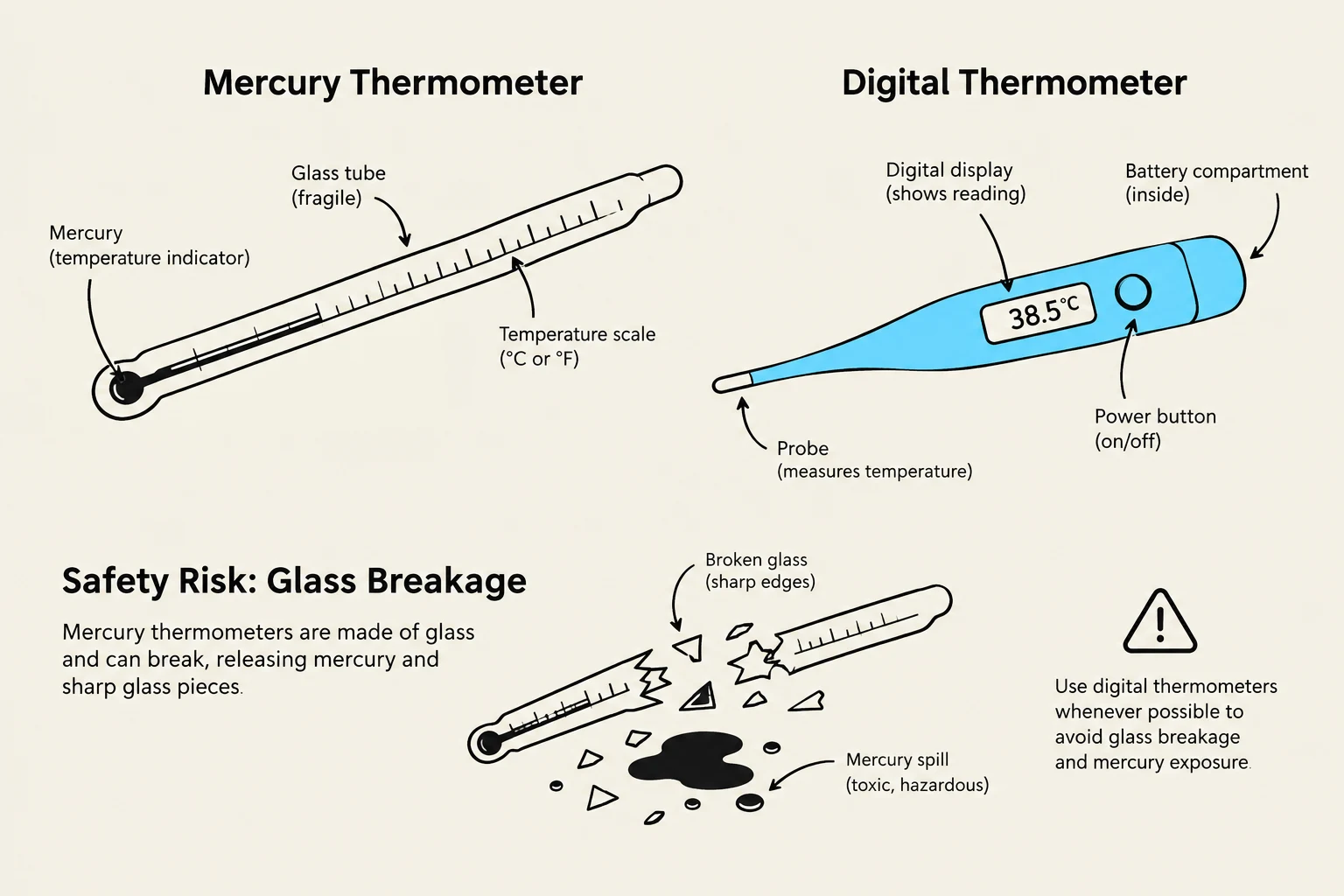
Historically, mercury thermometers were the standard; however, they pose significant risks because they are made of glass and can break inside an animal if they struggle. Furthermore, mercury thermometers require a long "dwell time" of 60 seconds to provide a reading. Modern practice favors digital thermometers, which are safer and provide accurate readings in less than 10 seconds.
Keep reading for free.
Create an account to finish this reading and make it part of your study routine.
Continue reading freeAlready have an account? Log in
Updated