


In veterinary nursing, vomiting, diarrhea, and anorexia are frequently interconnected clinical conditions. While they may present as isolated symptoms, they often trigger a cascade of physiological complications, including severe dehydration, electrolyte imbalances, and metabolic shifts that can become life-threatening if not managed promptly. Understanding the nuances of these conditions is essential for effective patient stabilization and recovery.
Vomiting (Emesis)
Vomiting, or emesis, is defined as the forcible ejection of stomach contents through the mouth. It is a complex process involving three distinct stages: nausea, retching, and the actual vomiting event.
When assessing a patient, it is critical to distinguish vomiting from regurgitation. While vomiting involves abdominal movements and contains partially digested, acidic food, regurgitation is often effortless and involves undigested, "tube-shaped" food with a neutral to alkaline pH.
Nursing Tip: Clinical History Always obtain a detailed history. Ask about diet changes, exposure to infectious animals, missing toys/clothing (potential foreign bodies), and the frequency and appearance of the emesis.
Diarrhea and Fecal Assessment
Diarrhea is characterized by the passage of loose or watery stools at an increased frequency. Nurses must carefully observe and document the following:
- Hematochezia: The presence of "frank blood," which appears as fresh, red blood on the feces.
- Melena: Black, tarry feces, which often indicates digested blood. Note that certain medications like Kaopectate can also cause dark stools.
- Tenesmus: The sensation of needing to pass stool even when the bowels are empty, often accompanied by straining and cramping.
- Dyschezia: Painful or difficult evacuation of feces.
Physiological Consequences
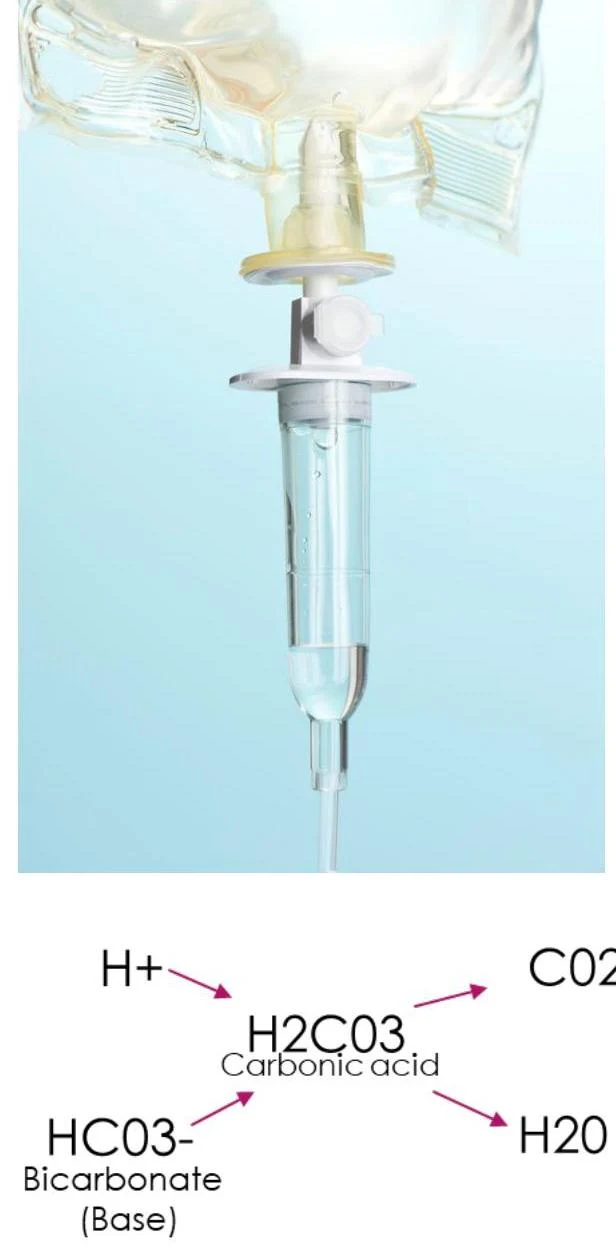
The loss of fluids through vomiting and diarrhea leads to several critical complications:

Keep reading for free.
Create an account to finish this reading and make it part of your study routine.
Continue reading freeAlready have an account? Log in
Updated