


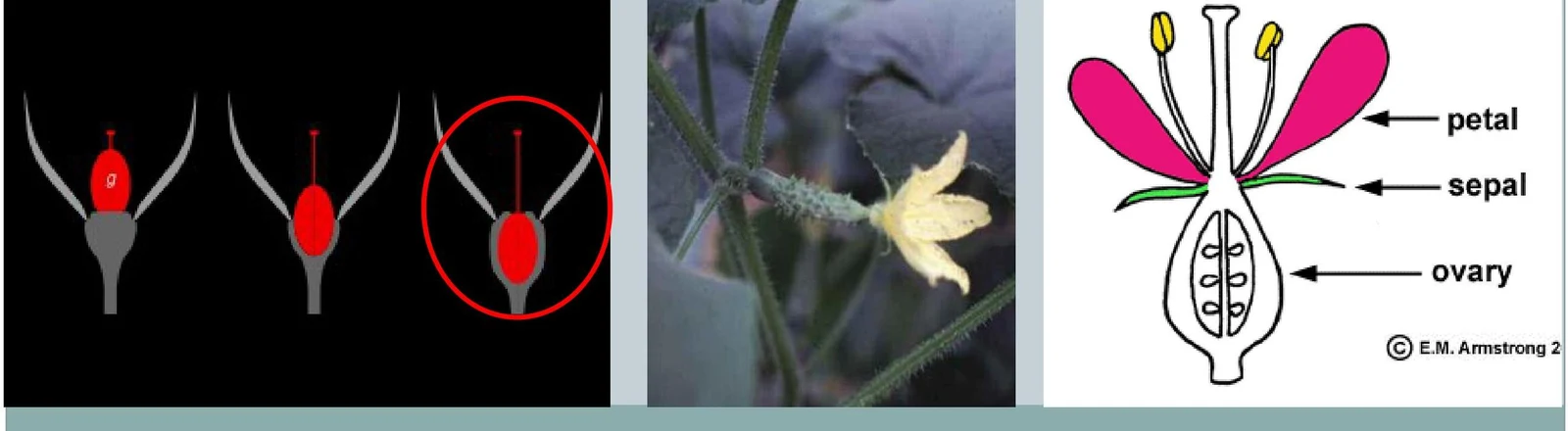
While all flowers serve the fundamental purpose of sexual reproduction—producing the seeds that ensure the next generation of a plant species—they are far from uniform. If you look closely at a garden, you will notice that some flowers look like perfect stars, while others have complex, asymmetrical shapes. Some have ovaries tucked deep inside the stem, while others have them sitting high on top.
Understanding these variations is essential for plant identification and classification. Botanists categorize these differences into three primary morphological characteristics: the symmetry of the floral parts, the relative position of the ovary, and the numerical arrangement of the floral parts.
Floral Symmetry
Symmetry refers to the ability (or inability) to divide a flower into equal halves through a specific plane. This characteristic is often linked to how a plant interacts with its pollinators.
Radial Symmetry (Actinomorphic)
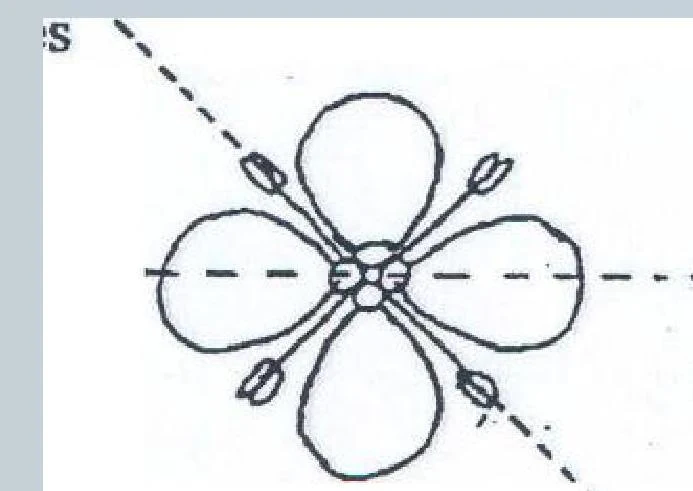
Flowers with radial symmetry are known as actinomorphic. These flowers can be bisected through many different planes passing through the center, much like a pie or a star. Because they are symmetrical from almost any angle, they often provide a "landing pad" that is accessible to a wide variety of pollinators.
- Examples: Tulips, tomatoes, grapes, squash, and roses.

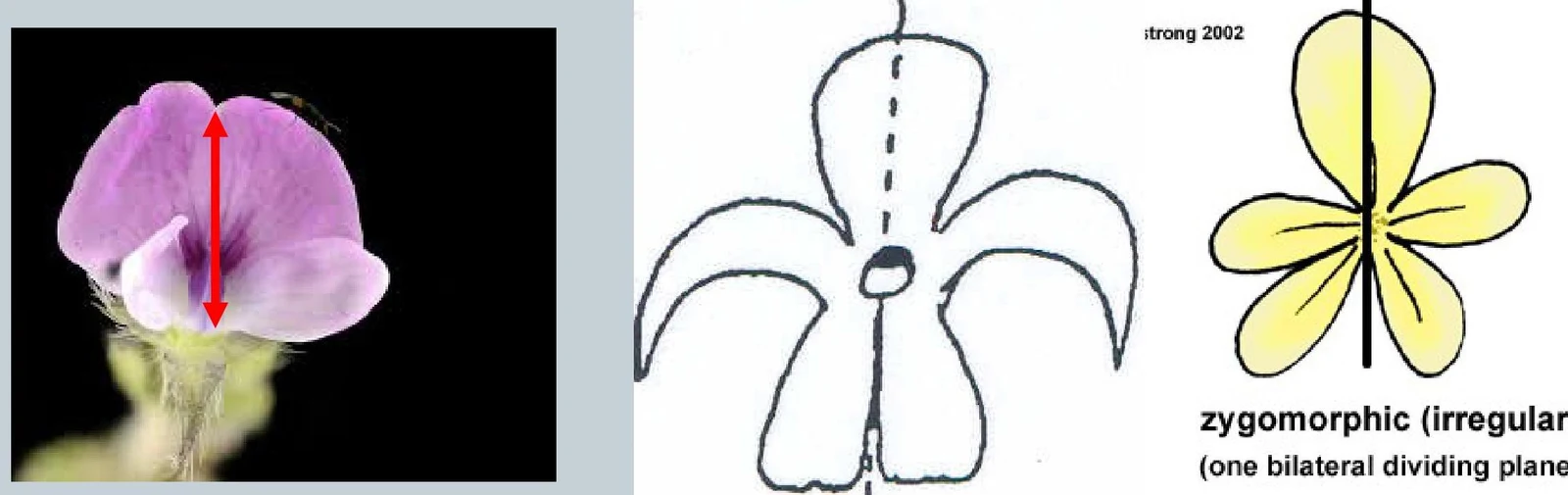
Bilateral Symmetry (Zygomorphic)
In contrast, zygomorphic flowers exhibit bilateral symmetry. These flowers can be bisected into equal left and right halves in only one single plane. This specialized shape often forces pollinators to enter the flower in a specific orientation, which can increase the efficiency of pollen transfer.


Keep reading for free.
Create an account to finish this reading and make it part of your study routine.
Continue reading freeAlready have an account? Log in
Updated