


The upper gastrointestinal (GI) system is a complex pathway where acid production, motility, and mucosal protection must remain in a delicate balance. When this balance is disrupted—whether by excessive acid secretion, the presence of bacteria like Helicobacter pylori, or impaired motility—patients experience distressing symptoms such as heartburn, nausea, vomiting, and peptic ulcers. This article explores the pharmacological interventions used to manage these conditions, ranging from simple acid neutralizers to advanced enzyme inhibitors and motility stimulants.
Understanding the Pathophysiology
Before diving into specific medications, it is essential to understand the conditions they treat. Common issues include:
- Gastroesophageal Reflux Disease (GERD): The reflux or backup of gastric contents into the esophagus.
- Gastric Stasis: The failure of the body to remove stomach contents normally.
- Helicobacter pylori: A stomach bacterium known to cause chronic gastritis and peptic or duodenal ulcers.
Acid Neutralizers: Antacids
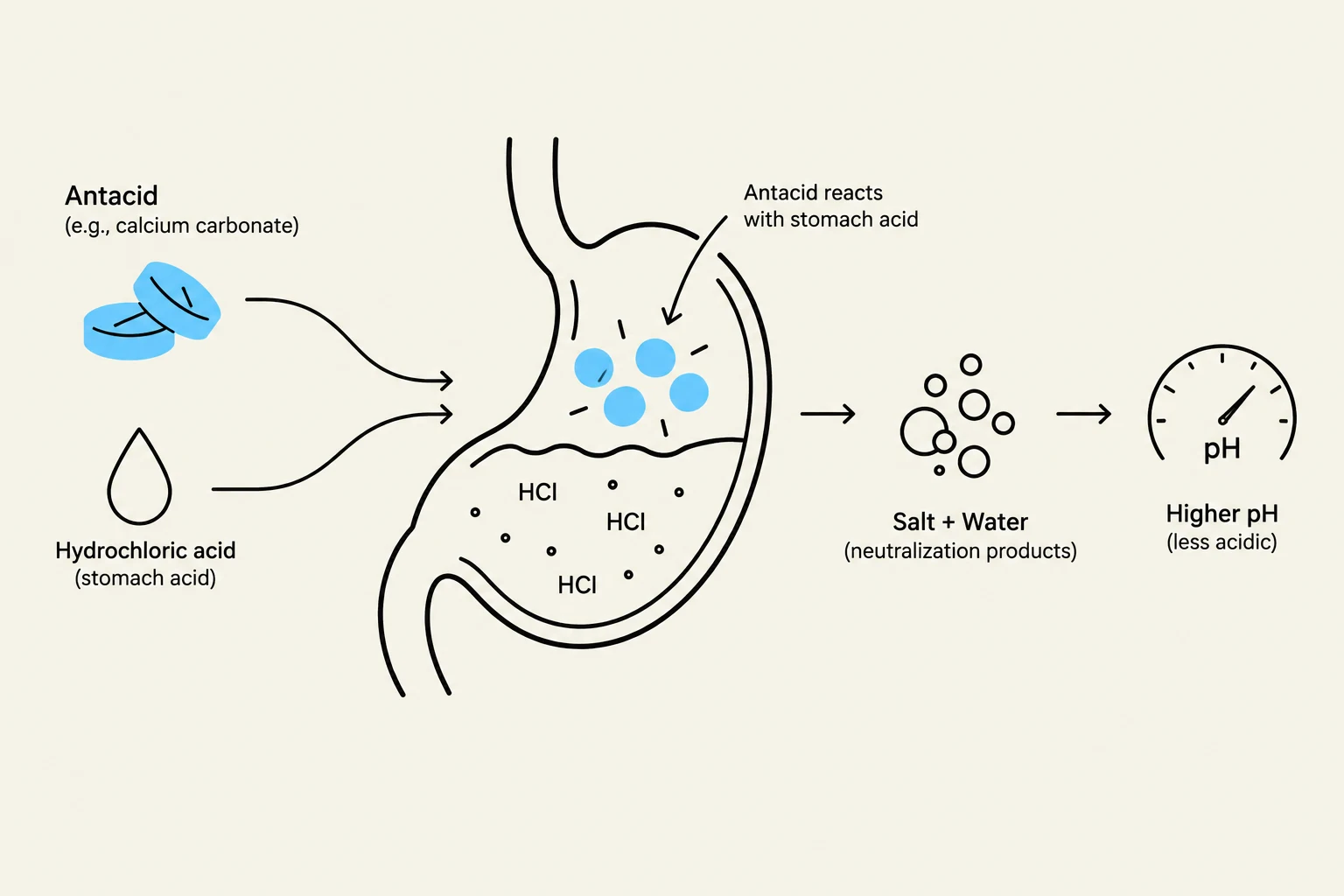
Antacids are "against acids". Unlike other drugs that stop the production of acid, antacids work by neutralizing the hydrochloric acid (HCl) already present in the stomach, thereby increasing the pH level.
Common examples include aluminum (Amphojel), magnesium (Milk of Magnesia), and calcium-containing compounds. Because different minerals have different effects, patients may experience varying side effects:
- Aluminum: May cause constipation or intestinal impaction.
- Magnesium: Often has a laxative effect but can cause severe diarrhea or dehydration.
- Calcium/Sodium Bicarbonate: Can lead to "rebound hyperacidity," where the stomach produces even more acid once the drug wears off.
Clinical Tip: Because antacids change the pH of the stomach, they can impair the absorption of other medications. Always instruct patients to avoid taking other drugs within 2 hours before or after an antacid.
Keep reading for free.
Create an account to finish this reading and make it part of your study routine.
Continue reading freeAlready have an account? Log in
Updated