


Life presents individuals with a spectrum of stressors, ranging from the routine challenges of daily existence to catastrophic, life-altering events. While many people navigate these stressors with minimal impact on their daily functioning, others experience profound psychological and physical disruptions. For these individuals, the stress response becomes maladaptive, leading to a cluster of conditions known as Trauma and Stressor-Related Disorders.
For nursing professionals, recognizing the subtle and overt signs of these disorders is essential for providing effective, safe, and compassionate care.
Understanding Maladaptive Stress Responses
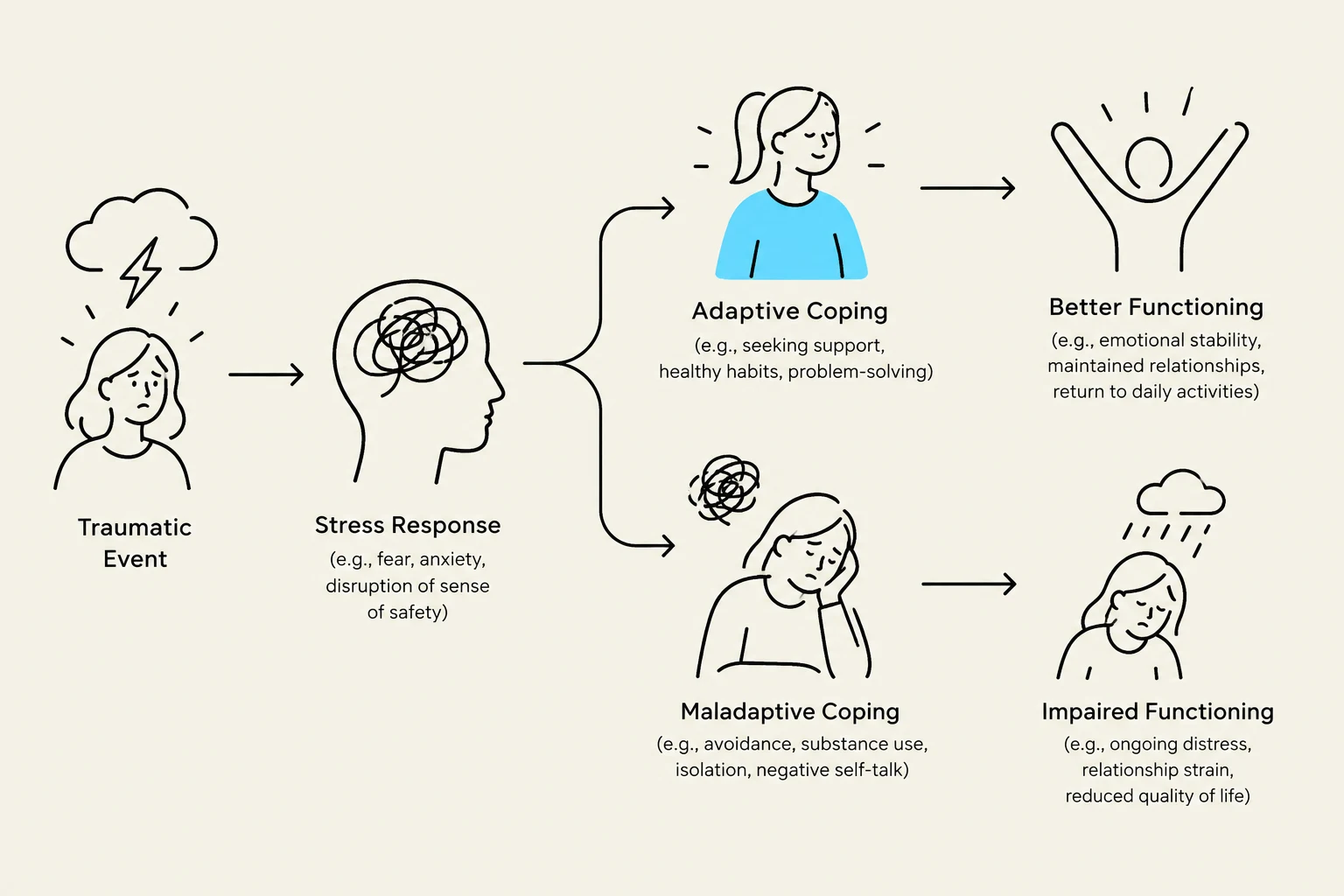
When an individual encounters a stressor, the body and mind naturally attempt to adapt. However, a maladaptive stress response occurs when the reaction to a stressor interferes significantly with the person's ability to function in social, occupational, or psychological domains. Instead of utilizing healthy coping mechanisms—such as seeking social support or problem-solving—the individual may resort to behaviors that exacerbate their distress, such as substance use, social withdrawal, or self-harm.
Clinical Alert: Nurses must prioritize assessing a client's current coping mechanisms. Identifying whether a client is using adaptive or maladaptive strategies is a critical first step in determining the severity of the disorder and the immediate safety risk.
Clinical Classifications of Trauma Disorders
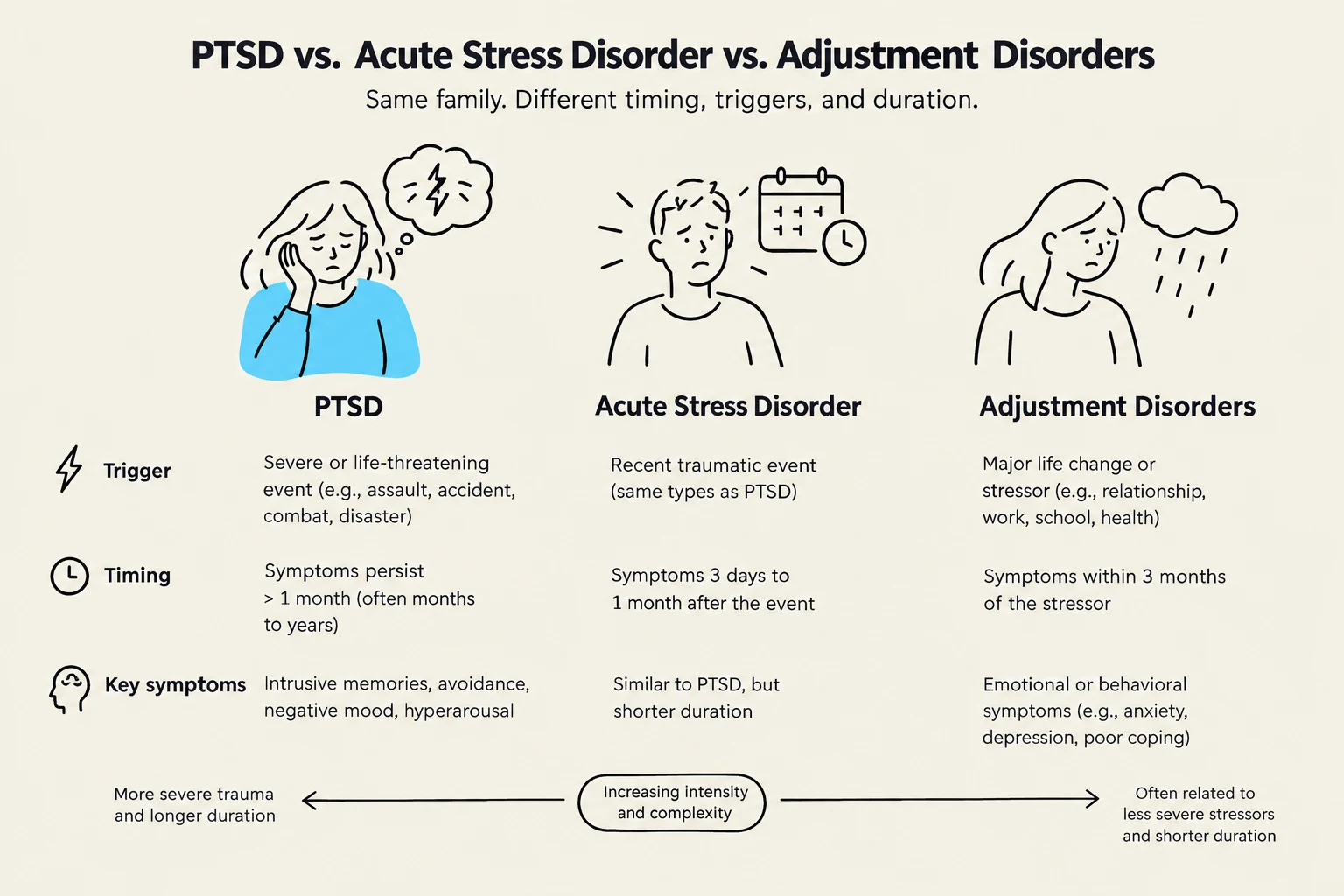
Trauma-related disorders are categorized primarily by the nature of the stressor and the duration of the symptoms.
Posttraumatic Stress Disorder (PTSD)
PTSD is characterized by the presence of prolonged symptoms following exposure to a traumatic event. These symptoms often include intrusive memories (flashbacks), avoidance of reminders of the trauma, negative alterations in cognition and mood, and hyperarousal (an exaggerated startle response).
Keep reading for free.
Create an account to finish this reading and make it part of your study routine.
Continue reading freeAlready have an account? Log in
Updated