


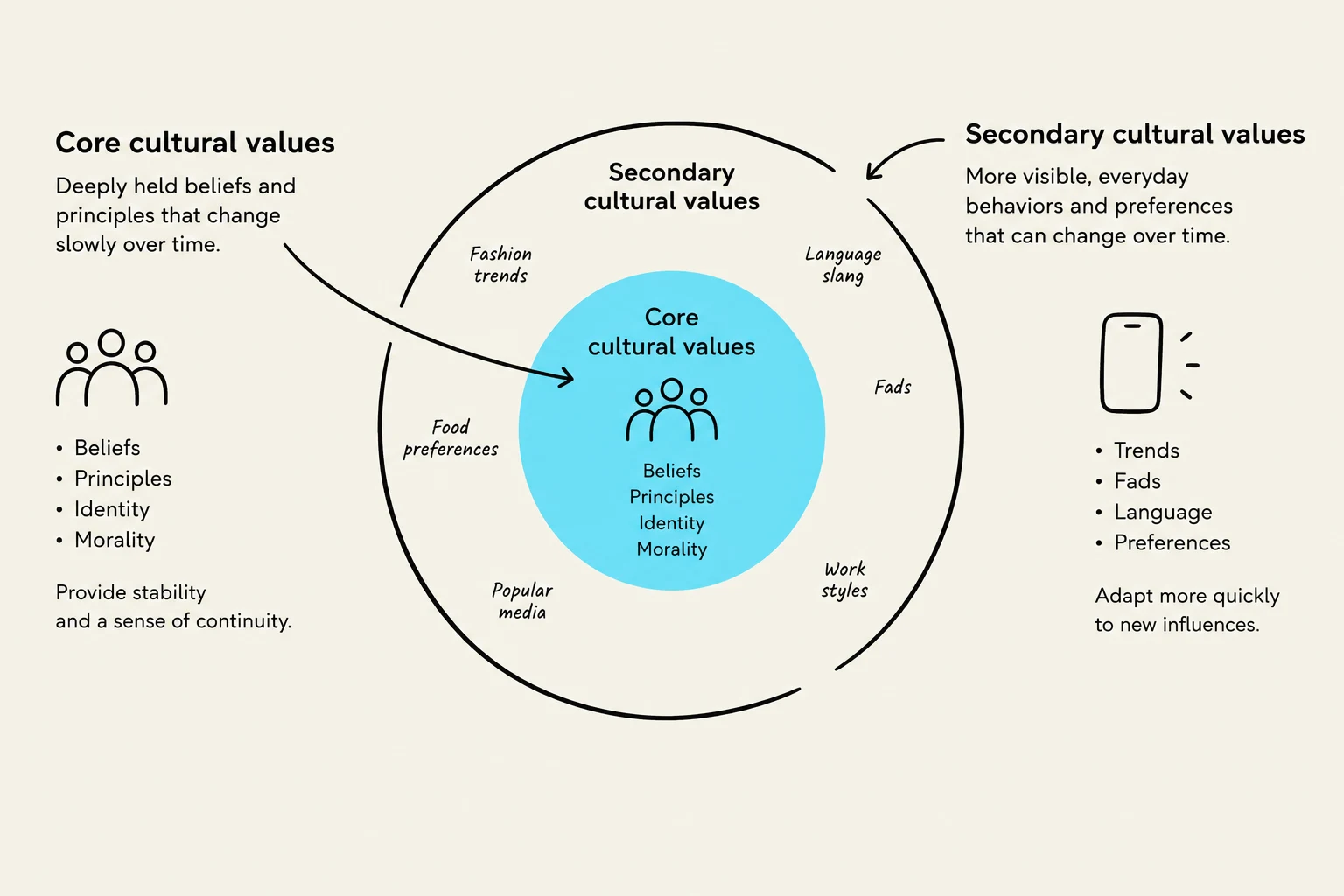
In the study of marketing, organizations do not operate in a vacuum. While a company can influence its "microenvironment"—the actors close to it, such as suppliers, competitors, and customers—it is constantly being shaped by much larger, uncontrollable forces known as the macroenvironment. These macro-environmental forces include the natural, technological, political, social, and cultural environments. Understanding these forces is essential for any business attempting to build and maintain successful relationships with its target customers.
The Natural Environment and Sustainability
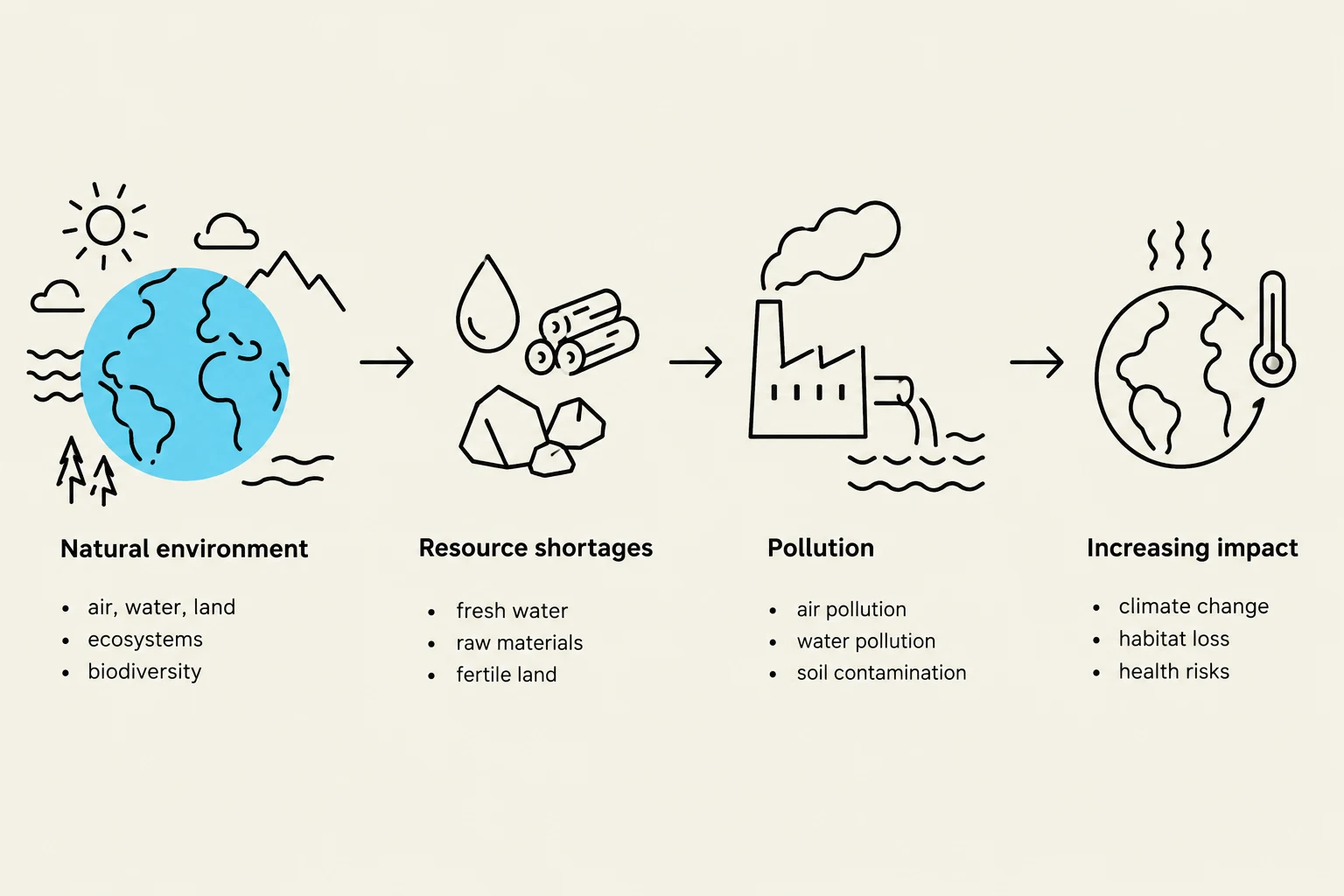
The natural environment consists of the physical environment and the natural resources that marketers require as inputs, or that are affected by marketing activities. In recent decades, businesses have faced increasing pressure due to several key trends: shortages of raw materials, rising levels of pollution, and increased government intervention to protect natural resources.
Because of these challenges, environmental sustainability has become a central concern. Modern consumers are increasingly looking for brands that align with their ethical values. For example, Unilever’s "Love Beauty and Planet" brand focuses on the trend of natural and organic products, aiming to provide beauty products while simultaneously "giving a little love to our planet".
Study Tip: When analyzing the natural environment, look for the "triple threat" of trends: resource scarcity, pollution, and regulation.
The Technological Environment
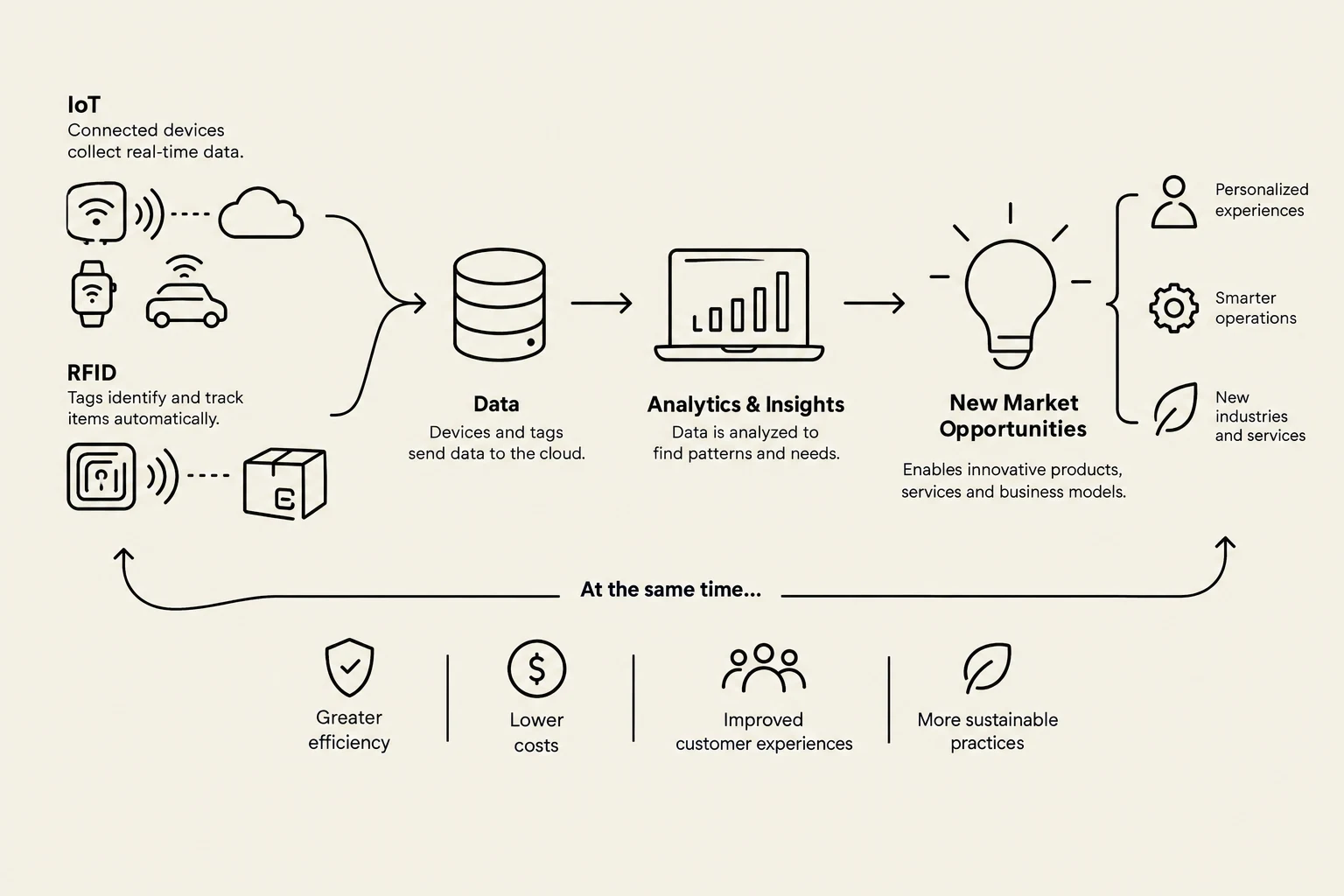
Technological advancements create entirely new markets and opportunities, often moving faster than any other environmental force. We have moved into a "post-PC, cloud-driven world" where digital technology is an inseparable part of the consumer experience.
Keep reading for free.
Create an account to finish this reading and make it part of your study routine.
Continue reading freeAlready have an account? Log in
Updated