Understanding the Endocrine System and Hormone Pharmacotherapy
An overview of the endocrine system, its regulation by the hypothalamus and pituitary gland, and the principles of hormone pharmacotherapy, including replacement therapy and hormone antagonists.
The endocrine system is a complex network of ductless glands that play a crucial role in regulating virtually every bodily function. These glands release chemical messengers called hormones directly into the bloodstream, which then travel to target organs and tissues to exert their effects. This system works in concert with the nervous system, though its actions are generally slower, more sustained, and intermittent. The primary goal of the endocrine system is to maintain homeostasis, the body's stable internal environment, by coordinating responses to both internal and external changes.
The Hypothalamus and Pituitary Gland: The Conductor and Orchestra
At the core of endocrine regulation lies the hypothalamus, a region of the brain that acts as the primary control center. It links the nervous and endocrine systems, monitoring and regulating vital functions such as body temperature, thirst, hunger, water retention, blood pressure, respiration, and even emotional reactions. The hypothalamus achieves this by producing releasing and inhibiting factors that control the pituitary gland.
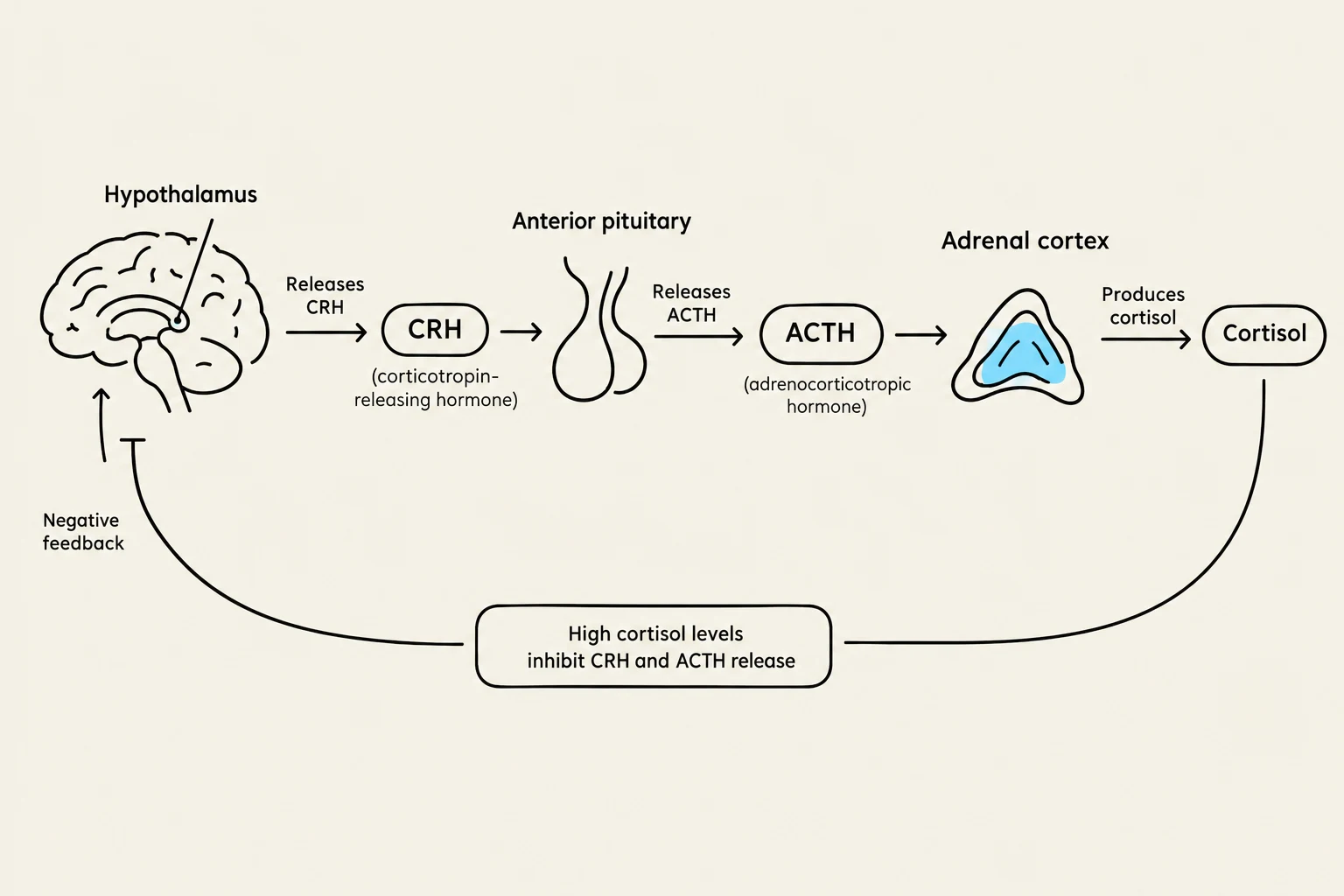
The pituitary gland, often referred to as the "master gland," is a pea-sized structure located at the base of the brain. It is divided into two main lobes: the anterior and posterior pituitary. The hypothalamus exerts its control over the anterior pituitary through a sophisticated negative feedback mechanism. This system operates on a "supply and demand" principle: when the hypothalamus senses a need for a particular hormone, it releases a releasing factor that stimulates the anterior pituitary. The pituitary then releases its own hormone, which targets specific endocrine glands (like the thyroid or adrenal glands) to produce their respective hormones. As hormone levels rise, they signal back to the hypothalamus and pituitary, inhibiting further release, thus maintaining balance.
Diagram illustrating the hormonal regulation of various endocrine glands by the hypothalamus and anterior pituitary.
Hormone Pharmacotherapy: Restoring Balance and Blocking Actions
Pharmacotherapy within the endocrine system is a vital tool used to address various physiological imbalances. Its primary indications include:
Replacement Therapy: For individuals who cannot produce sufficient amounts of essential hormones due to deficiencies or gland dysfunction.
Cancer Chemotherapy: To shrink tumors that are sensitive to hormonal stimulation.
Hormone Antagonists: To block the action of endogenous hormones when their effects are detrimental or excessive.
Key Drug Classes and Their Applications
Anterior Pituitary Drugs
Drugs targeting the anterior pituitary are used for replacement therapy, diagnostic purposes, or to block the effects of anterior pituitary hormones.
Growth Hormone (GH): GH is crucial for growth and metabolism, affecting all body tissues, particularly bone.
Somatropin: A synthetic form of GH, somatropin (e.g., Nutropin, Saizen), is used to treat growth failure in children. It must be administered via subcutaneous (SQ) or intramuscular (IM) injection, as oral administration leads to degradation. Patients receiving somatropin require close monitoring for potential side effects such as hypothyroidism, antibody development, and insulin resistance, which can lead to diabetes mellitus. GH injections are costly and require regular administration. Epiphyses must be closed before initiating therapy, and refrigeration is necessary for storage.
GH Suppressants: For conditions of GH excess, such as acromegaly (gigantism in adults), drugs like bromocriptine (Parlodel), lanreotide (Somatuline Depot), and octreotide (Sandostatin) are used to suppress GH secretion.
Cosyntropin: This synthetic adrenocorticotropic hormone (ACTH) is primarily used for diagnostic purposes to help differentiate between pituitary and adrenal gland disorders.
Posterior Pituitary Drugs
The posterior pituitary stores and releases antidiuretic hormone (ADH), also known as vasopressin. ADH plays a critical role in regulating water reabsorption by the kidneys, thereby maintaining fluid balance.
ADH Replacement:
Desmopressin (DDAVP): This synthetic analog of ADH is the cornerstone treatment for Diabetes Insipidus (DI), a condition characterized by insufficient ADH production or action, leading to excessive water loss. Desmopressin increases water reabsorption in the renal tubules. It can be administered orally, intranasally, or intravenously. A significant risk associated with desmopressin is water intoxication, which can lead to hyponatremia and seizures. Patients must be educated on the signs of water retention and advised to report them promptly.
ADH Antagonists:
Conivaptan and Tolvaptan: These drugs are vasopressin receptor antagonists used to treat Syndrome of Inappropriate Antidiuretic Hormone (SIADH), a condition where the body produces too much ADH, leading to excessive water retention and dilutional hyponatremia. By blocking vasopressin receptors, they promote water excretion, helping to raise serum sodium levels. Close monitoring of sodium levels is crucial during treatment with these agents. Conivaptan is administered intravenously, typically in hospitalized patients, while tolvaptan is taken orally.
Adrenal Glands
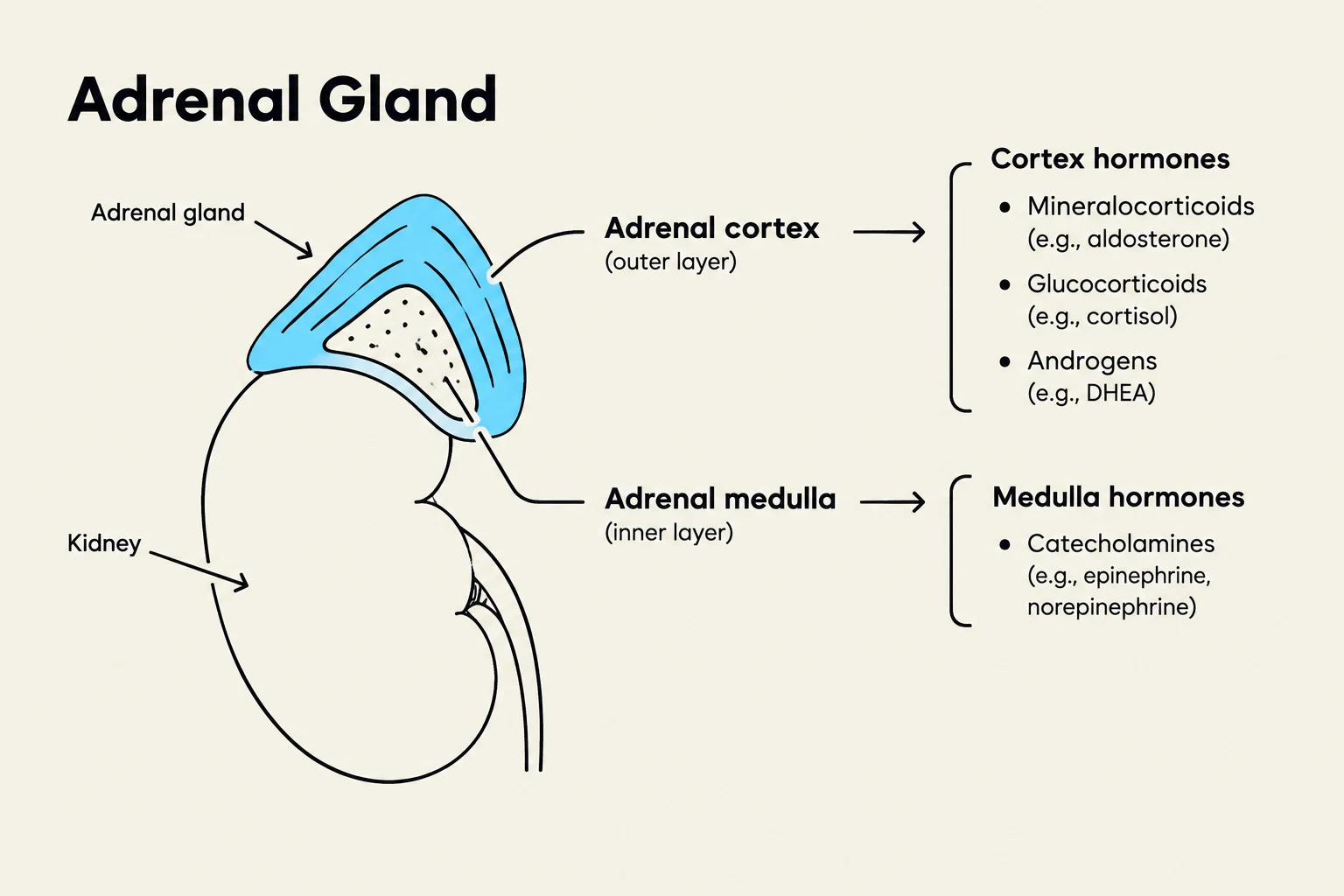
The adrenal glands, situated atop the kidneys, have an outer cortex and an inner medulla. The cortex produces steroid hormones, including glucocorticoids and mineralocorticoids, which are vital for metabolism, stress response, and electrolyte balance. Imbalances in adrenal hormone production lead to conditions like Cushing's syndrome (excess) or Addison's disease (deficit).
Corticosteroids: These are powerful anti-inflammatory and immunosuppressive agents. They are used to manage a wide range of inflammatory, allergic, and autoimmune conditions. However, their use must be carefully managed due to significant potential side effects, including weight gain, peptic ulcers, impaired wound healing, increased blood glucose, and increased susceptibility to infection.
Administration and Discontinuation: Corticosteroids are available in various forms (oral, IV, IM, topical, inhaled) but are generally not recommended for subcutaneous administration. Crucially, glucocorticoids should never be stopped abruptly. Doses must be tapered gradually to allow the adrenal cortex to resume normal cortisol production and prevent adrenal insufficiency. This tapering process can take several weeks.
Nursing Interventions: Patients taking corticosteroids should be advised to take them with food to minimize gastric irritation, monitor for signs of infection, and report any significant weight gain or signs of edema. They should also be aware of potential behavioral changes, eye issues, and metabolic disturbances with long-term therapy.
Mineralocorticoids: The primary mineralocorticoid is aldosterone, which regulates sodium and potassium balance. Fludrocortisone is a synthetic mineralocorticoid that mimics aldosterone's actions, promoting sodium and water retention and potassium excretion. It is used cautiously in patients with hypertension, heart failure, or cardiac disease due to its potential to increase fluid volume.
The endocrine system is a finely tuned network, and pharmacotherapy plays a critical role in managing its dysfunctions. Understanding the mechanisms of hormone action and the specific applications and potential side effects of these medications is essential for effective patient care.
Diagram illustrating the adrenal gland, its layers (cortex and medulla), and the hormones produced by each layer.
This diagram illustrates the hypothalamic-pituitary-adrenal (HPA) axis, showing how the hypothalamus releases CRH, which stimulates the anterior pituitary to release ACTH. ACTH then signals the adrenal cortex to produce cortisol. High cortisol levels exert negative feedback on the hypothalamus and anterior pituitary, inhibiting further CRH and ACTH release.
Keep reading for free.
Create an account to finish this reading and make it part of your study routine.