


The cranial nerves are a fundamental component of the human nervous system, serving as the primary conduits for communication between the brain and the head and neck. For clinicians working within the orofacial complex, a deep understanding of these nerves is essential, as nerve damage often correlates with critical diagnoses such as cleft palate, dysphagia, proprioception deficits, and various neurological syndromes. By mastering the distinction between sensory and motor modalities, practitioners can better navigate treatment planning and prognosis for patients with neurological trauma.
The Twelve Paired Nerves
The cranial nerves consist of twelve paired nerves that provide both motor and sensory stimulation. While they serve a wide variety of functions, most of these nerves originate within the brain stem. These nerves are categorized into six distinct modalities: three sensory-based and three motor-based.
The specific location of origin varies by nerve:
- Midbrain: Cranial Nerves (CN) III and IV.
- Pons: CN V through CN VIII.
- Medulla Oblongata: CN IX through CN XII.
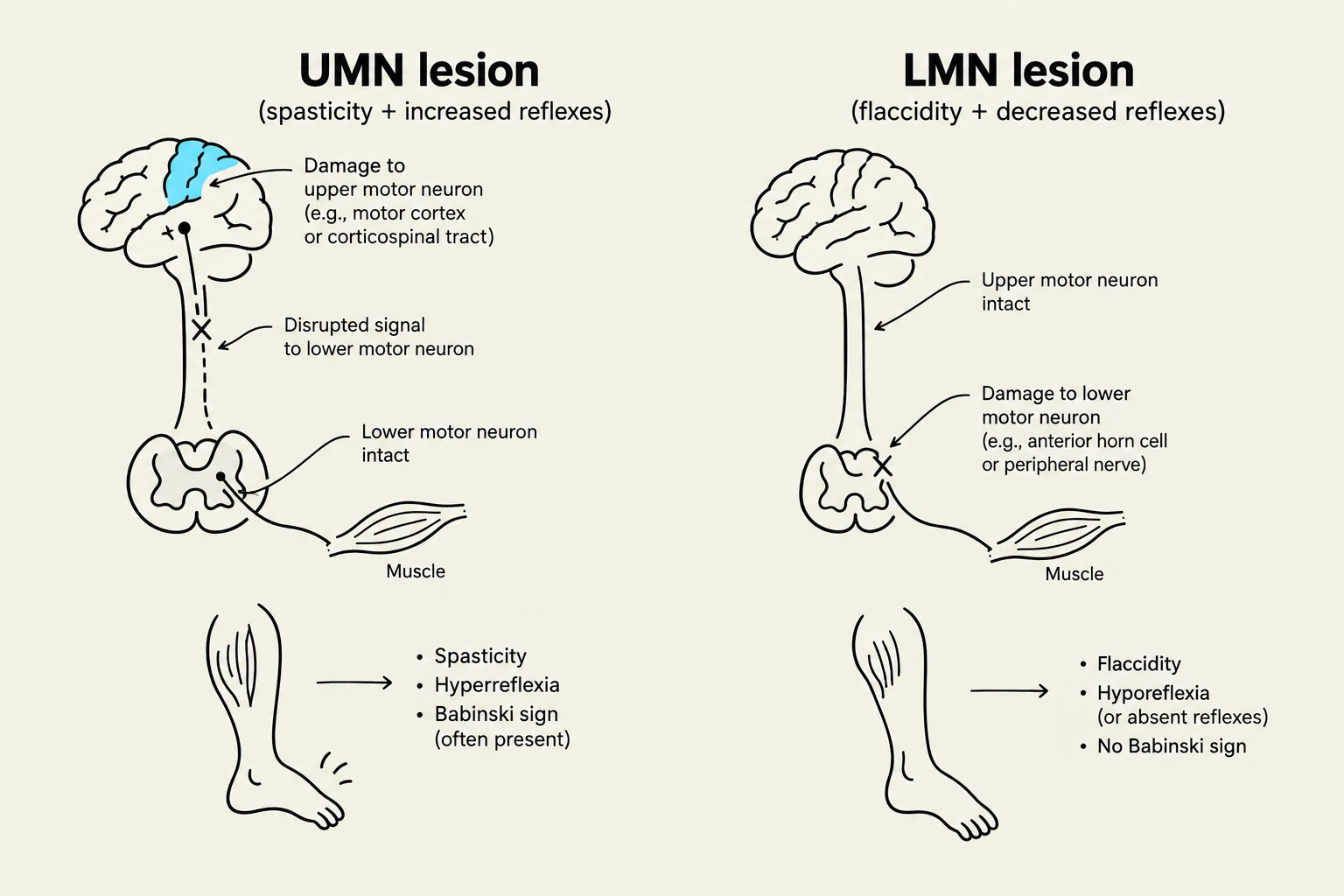
Clinical Note: Most cranial nerves are paired, meaning damage to a Lower Motor Neuron (LMN) typically occurs on only one side (ipsilateral).
Sensory Modalities and Pathways
Sensory nerves function as afferent pathways, meaning they carry impulses from the periphery toward the central nervous system (CNS). There are three primary types of sensory input:
- General Sensory: Provides perception of pain, touch, temperature, pressure, vibration, and proprioception.
- Visceral Sensory: Conveys sensory input from the viscera (internal organs), excluding pain.
- Special Sensory: Carries specialized signals for smell, vision, taste, hearing, and balance.
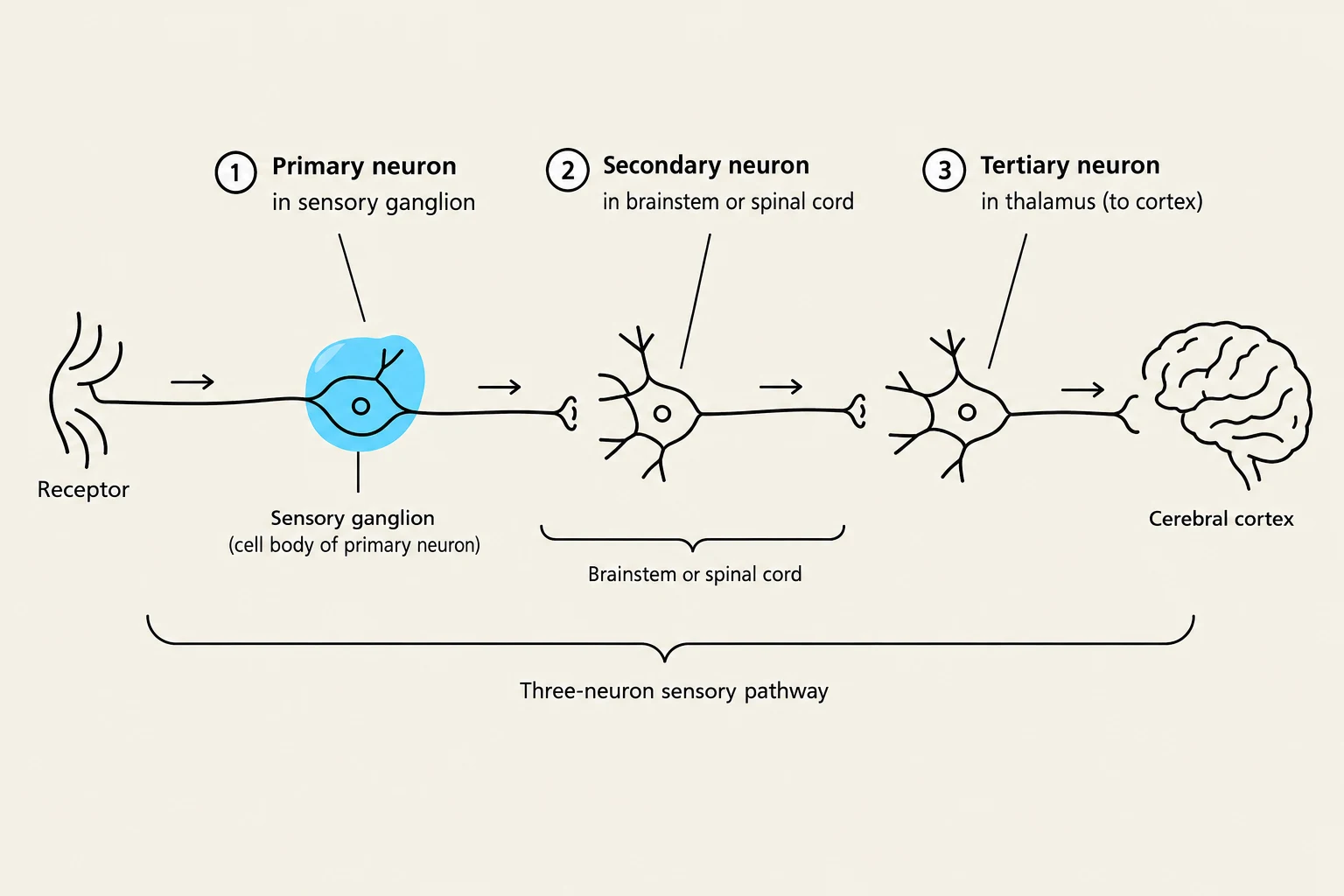
The Three-Neuron Chain
Most sensory pathways follow a predictable three-neuron chain to transmit information from the body to the brain's cortex:

Keep reading for free.
Create an account to finish this reading and make it part of your study routine.
Continue reading freeAlready have an account? Log in
Updated