


In the complex, swirling chaos of the real world, thousands of things happen simultaneously. When you walk into a grocery store, prices are changing, weather patterns are shifting, consumer incomes are fluctuating, and new trends are emerging all at once. For an economist trying to understand why people buy certain products, this complexity is a nightmare. To make sense of the world, economists use a specialized tool known as the ceteris paribus assumption.
The Economic Way of Thinking
To study economics effectively, one must adopt what is known as the "economic way of thinking". This approach involves building models—simplified versions of reality—that allow us to study specific cause-and-effect relationships.
Because the real world is too "noisy" to study every single factor at once, economists use the ceteris paribus assumption to strip away the noise. The term is a Latin phrase that translates to "while certain variables change, 'all other things remain unchanged'". By using this assumption, we can isolate a single factor and observe its specific impact without being distracted by other moving parts.
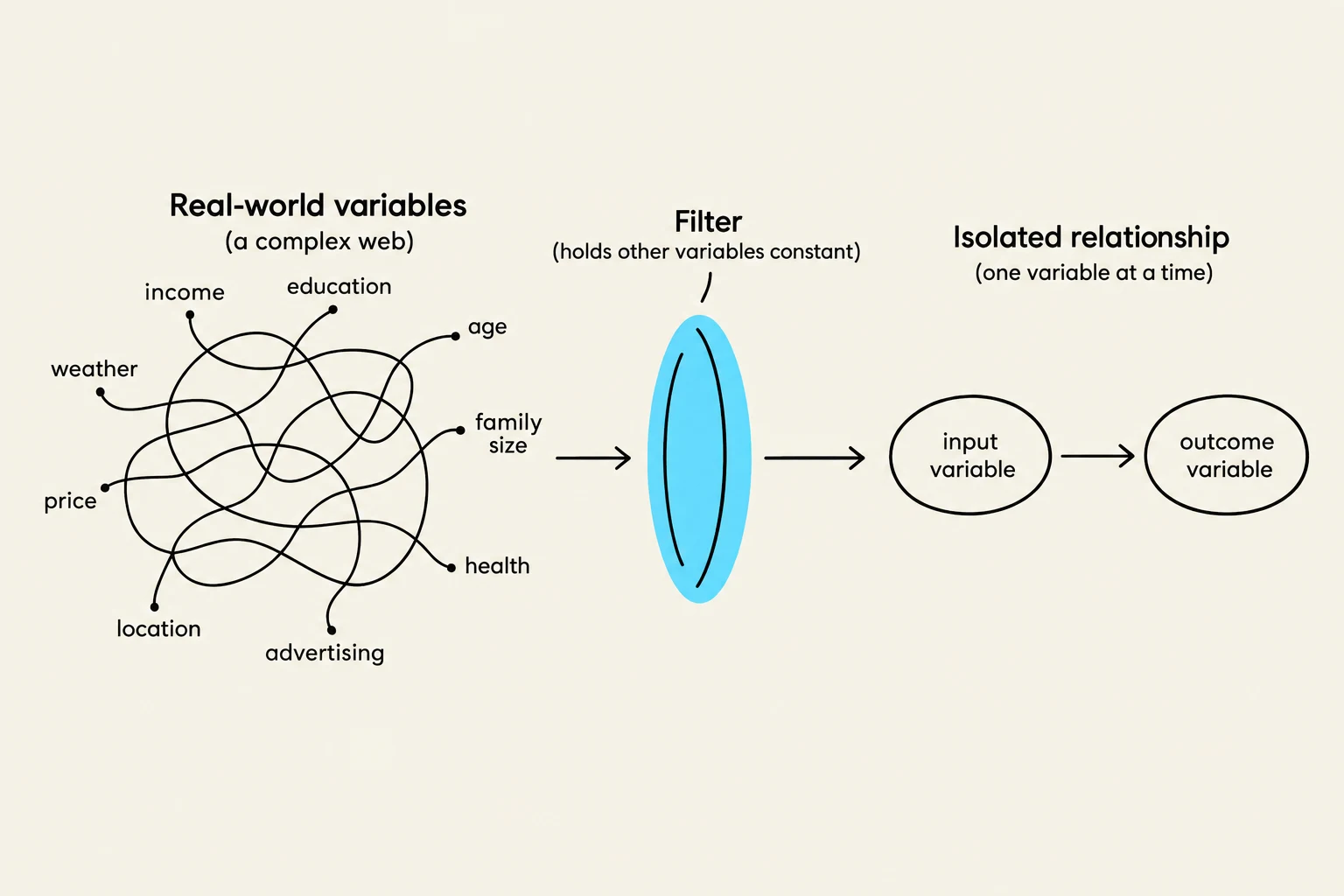
Isolating Variables
In any economic model, we deal with variables—elements that can change in value. When we want to understand how one variable affects another, we must hold all other potential variables constant.
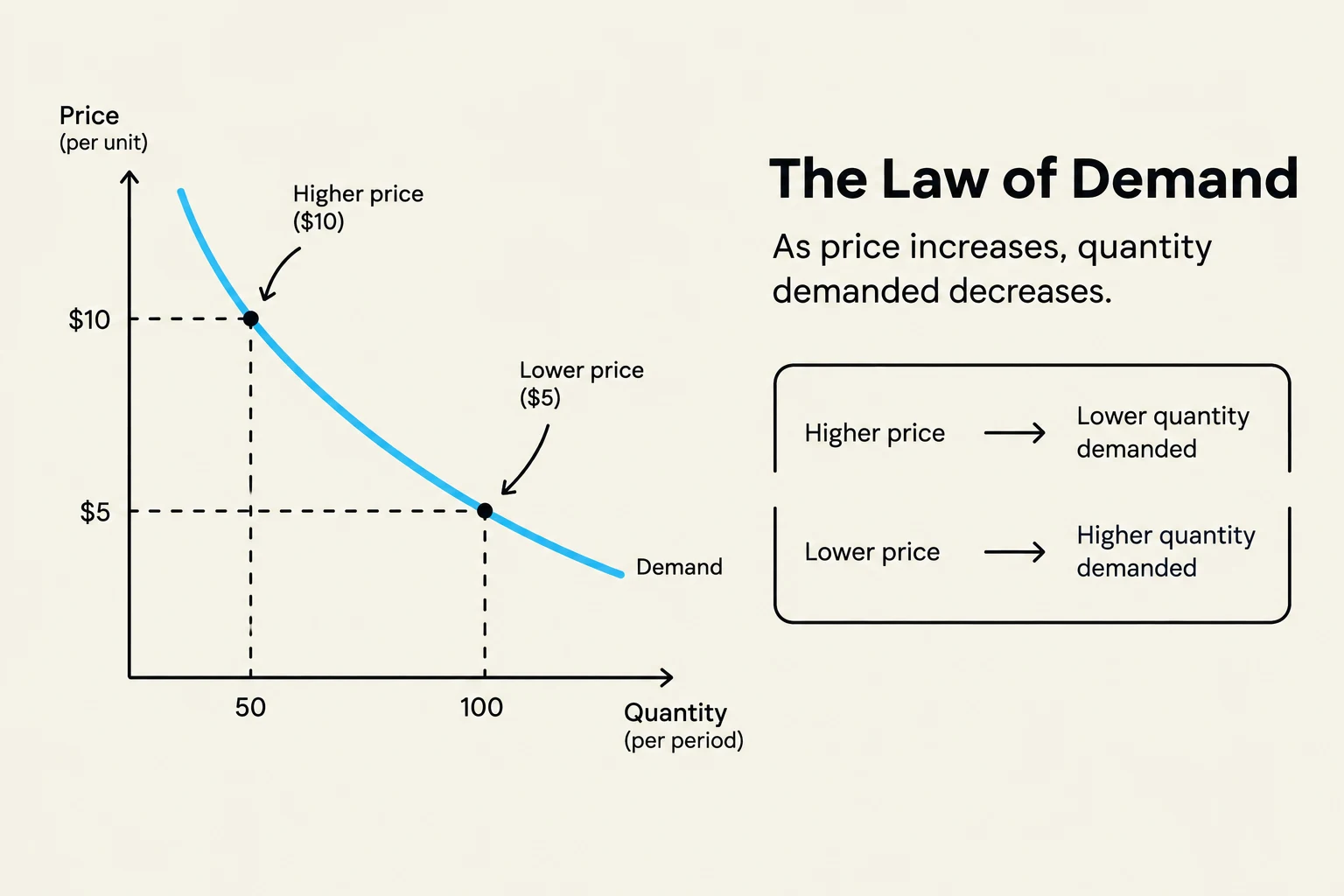
Consider the market for gasoline. If we want to know how the price of gas affects how much people drive, we face a problem: people might drive less because gas is expensive, but they might also drive less because they lost their jobs (a change in income) or because they started working from home (a change in lifestyle).
Keep reading for free.
Create an account to finish this reading and make it part of your study routine.
Continue reading freeAlready have an account? Log in
Updated