


In the world of taxation, not all assets are created equal. When you sell an asset, the tax you owe depends heavily on how that asset was classified before the sale. Understanding these classifications is the key to determining whether you will benefit from preferential tax rates or be subject to higher, standard tax rates.
The Foundation: Capital vs. Ordinary Assets
The primary distinction in asset taxation is between capital assets and assets that are subject to ordinary income tax rates.
Capital Assets
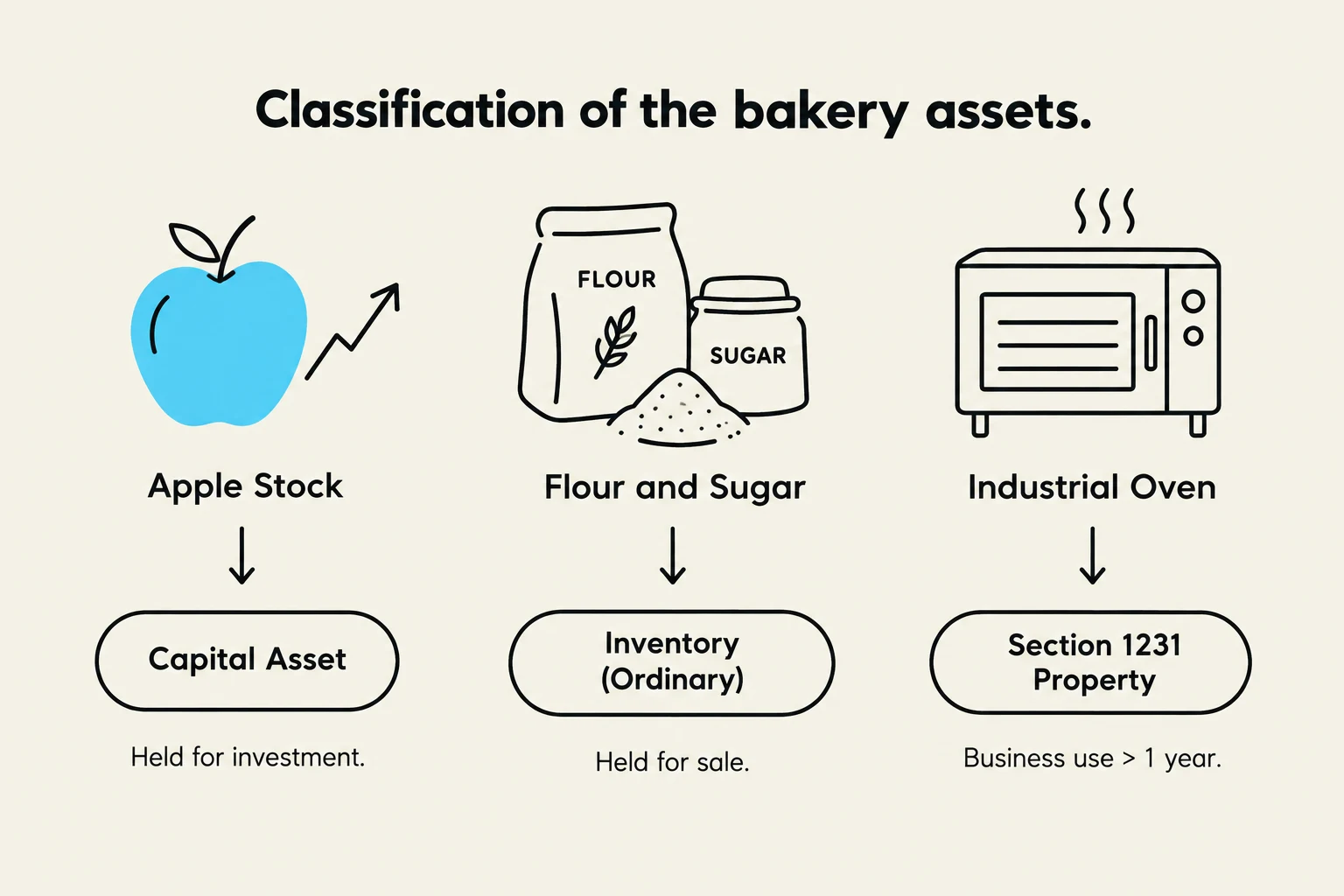
Capital assets are typically items held for investment or personal use. Common examples include stocks, bonds, or copyrights acquired for investment purposes. The primary advantage of a capital asset is that it generally receives "preferential tax treatment," meaning the tax rate applied to the gain is often lower than the rate applied to regular income.
Non-Capital Assets
If an asset does not meet the definition of a capital asset, any gain from its sale is taxed at ordinary income tax rates. To help students and taxpayers remember which assets are excluded from capital asset status, a helpful mnemonic is the acronym "I SAID".
According to this framework, the following are not capital assets:
- Inventory: This includes property held primarily for sale to customers, or any property that will physically become part of the merchandise intended for sale.
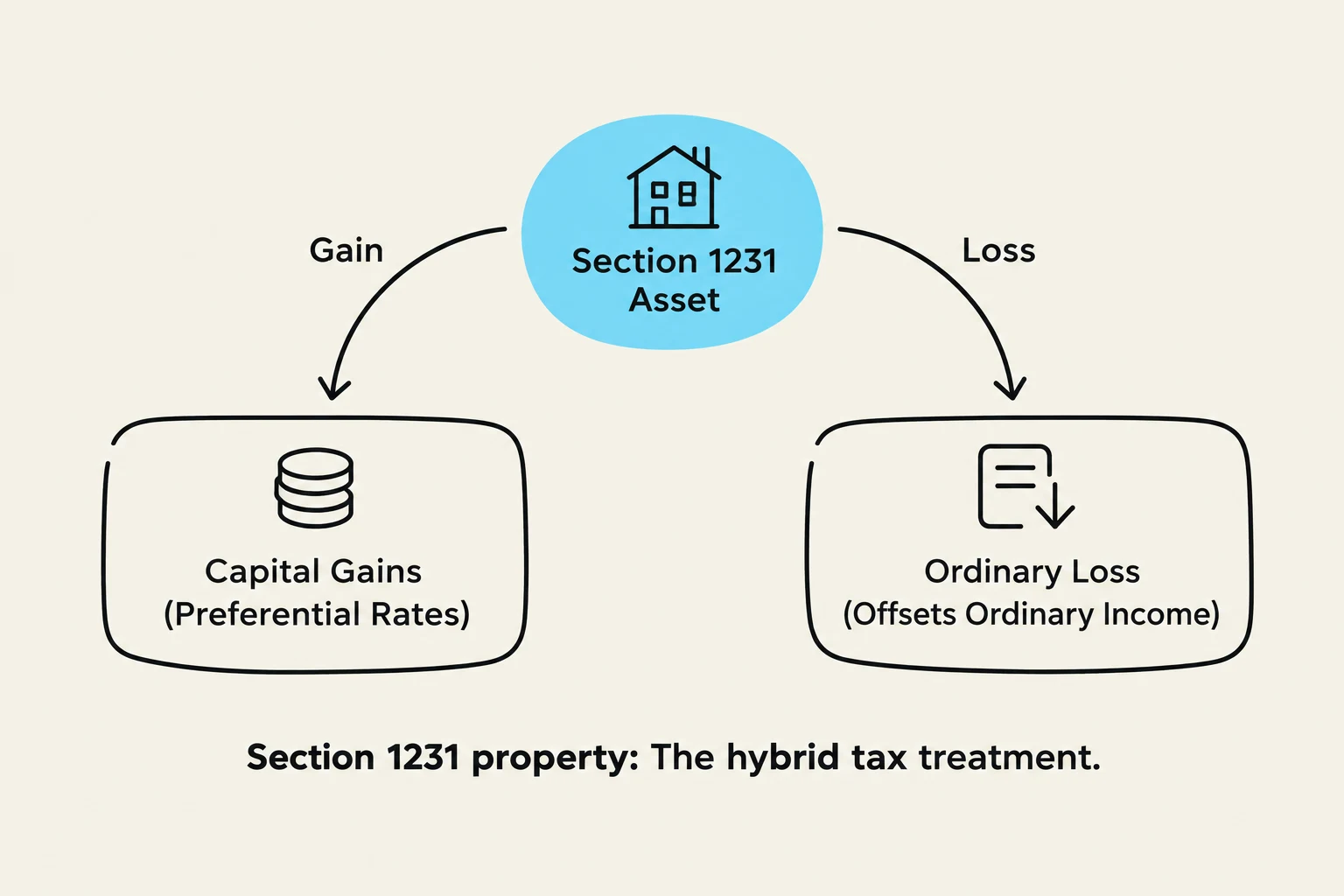
- Depreciable property and Real property: Specifically, this refers to real estate or equipment used in the taxpayer's trade or business.
Exam Tip: Use the acronym "I SAID" to help remember what is not a capital asset.
Keep reading for free.
Create an account to finish this reading and make it part of your study routine.
Continue reading freeAlready have an account? Log in
Updated