


In many parts of the world, particularly in Australia, the sun is a central part of the lifestyle and culture. However, the high levels of ultraviolet (UV) radiation present a significant public health challenge, increasing the risk of skin cancers and other dermatological issues. To combat this, governments and health organizations have launched extensive sun safety initiatives. While these campaigns are scientifically grounded, their effectiveness is often challenged by deeply ingrained social behaviors and cultural preferences. Understanding the tension between health-protective behaviors and social norms is essential for designing successful public health interventions.
The Landscape of Sun Safety Initiatives
Sun safety initiatives are structured public health campaigns designed to promote health-protective behaviors, such as wearing sunscreen, seeking shade, and using protective clothing. In Australia, these campaigns are among the most sophisticated in the world, often utilizing multi-channel communication strategies to reach diverse demographics. The primary goal is to reduce the incidence of skin cancer by altering how individuals interact with UV radiation.
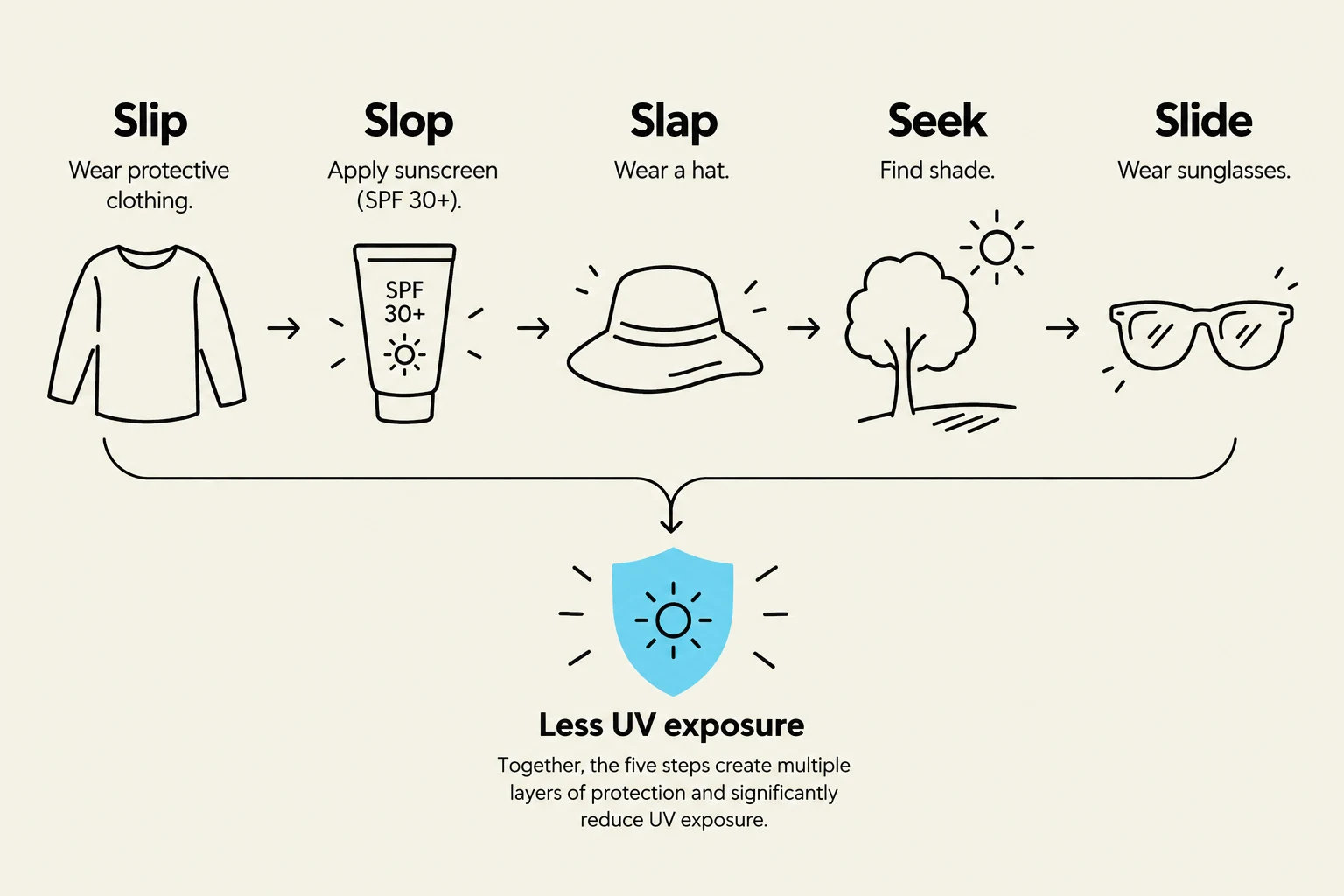
These initiatives typically focus on the "Slip, Slop, Slap, Seek, Slide" framework:
- Slip on a shirt.
- Slop on SPF 30+ sunscreen.
- Slap on a hat.
- Seek shade.
- Slide on sunglasses.
Exam Tip: When analyzing public health campaigns, distinguish between knowledge-based interventions (providing information) and behavioral interventions (changing habits through social norms or environmental cues).
Health-Protective vs. Risk-Taking Behaviors
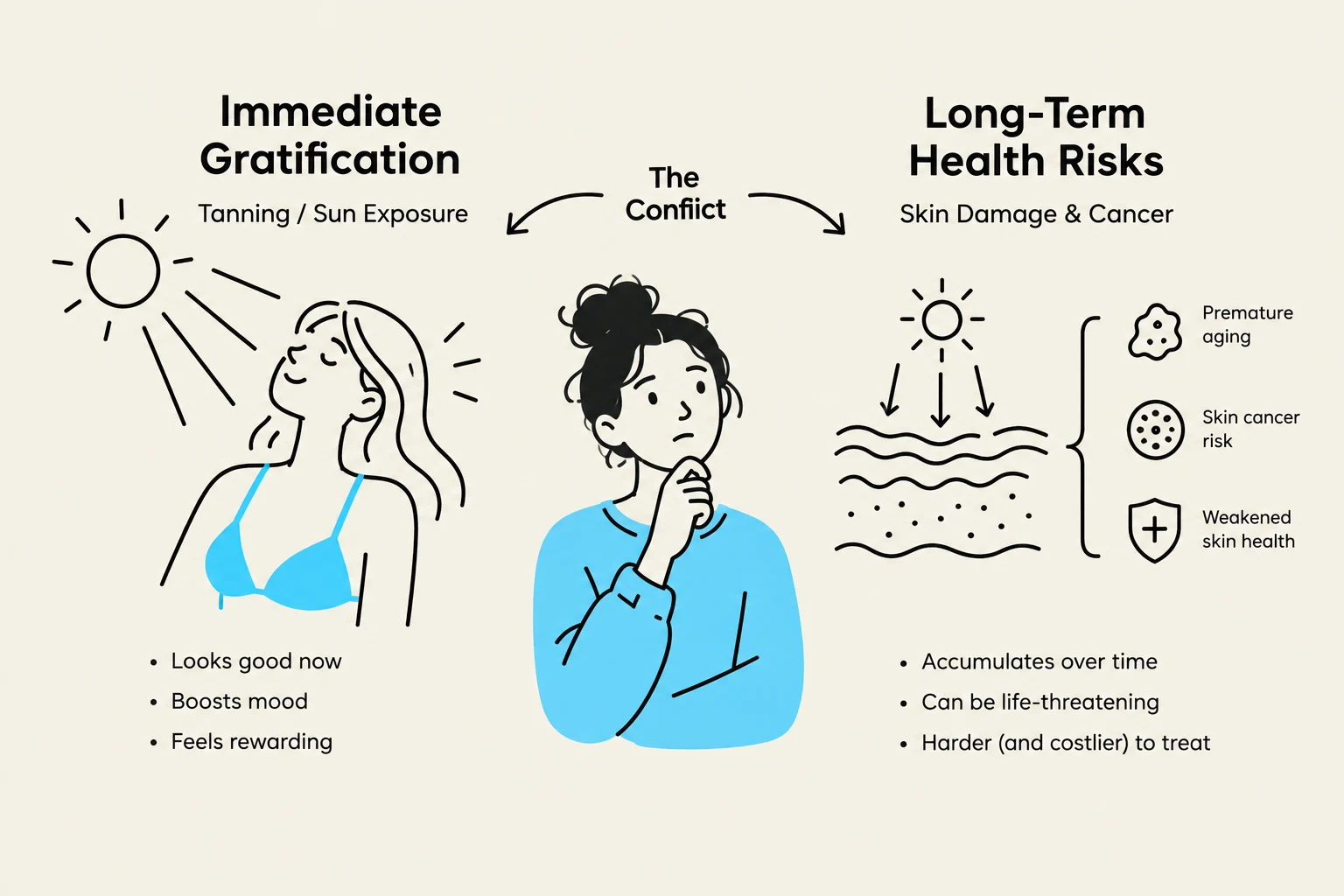
At the core of sun safety is the concept of health-protective behaviors. These are actions taken by an individual to mitigate a known health risk. In the context of UV protection, a health-protective behavior is a conscious choice to prioritize long-term skin health over immediate sensory gratification.

Keep reading for free.
Create an account to finish this reading and make it part of your study routine.
Continue reading freeAlready have an account? Log in
Updated