Understanding Risk Factors for Peripheral Artery Disease (PAD)
This guide explains the lifestyle, physiological, and genetic factors that contribute to the development of Peripheral Artery Disease (PAD). It covers the impact of smoking, diet, physical activity, diabetes, hyperlipidemia, hypertension, age, and family history on arterial health.
Peripheral Artery Disease (PAD) is a circulatory condition in which narrowed arteries reduce blood flow to the limbs, most commonly the legs. This narrowing is typically caused by atherosclerosis—the buildup of fatty deposits (plaque) within the arterial walls. Because PAD is a progressive condition, understanding the underlying risk factors is essential for early intervention and the prevention of severe complications, such as limb ischemia or cardiovascular events.
Identifying these risks requires a multi-faceted approach, looking at how a patient's lifestyle choices, genetic blueprint, and physiological markers intersect to create an environment conducive to arterial damage.
Lifestyle Risk Factors: The Role of Behavior
Lifestyle factors are often the most significant modifiable risks for PAD. These are behaviors that an individual can change to directly impact the progression of atherosclerosis.
Smoking and Nicotine Use
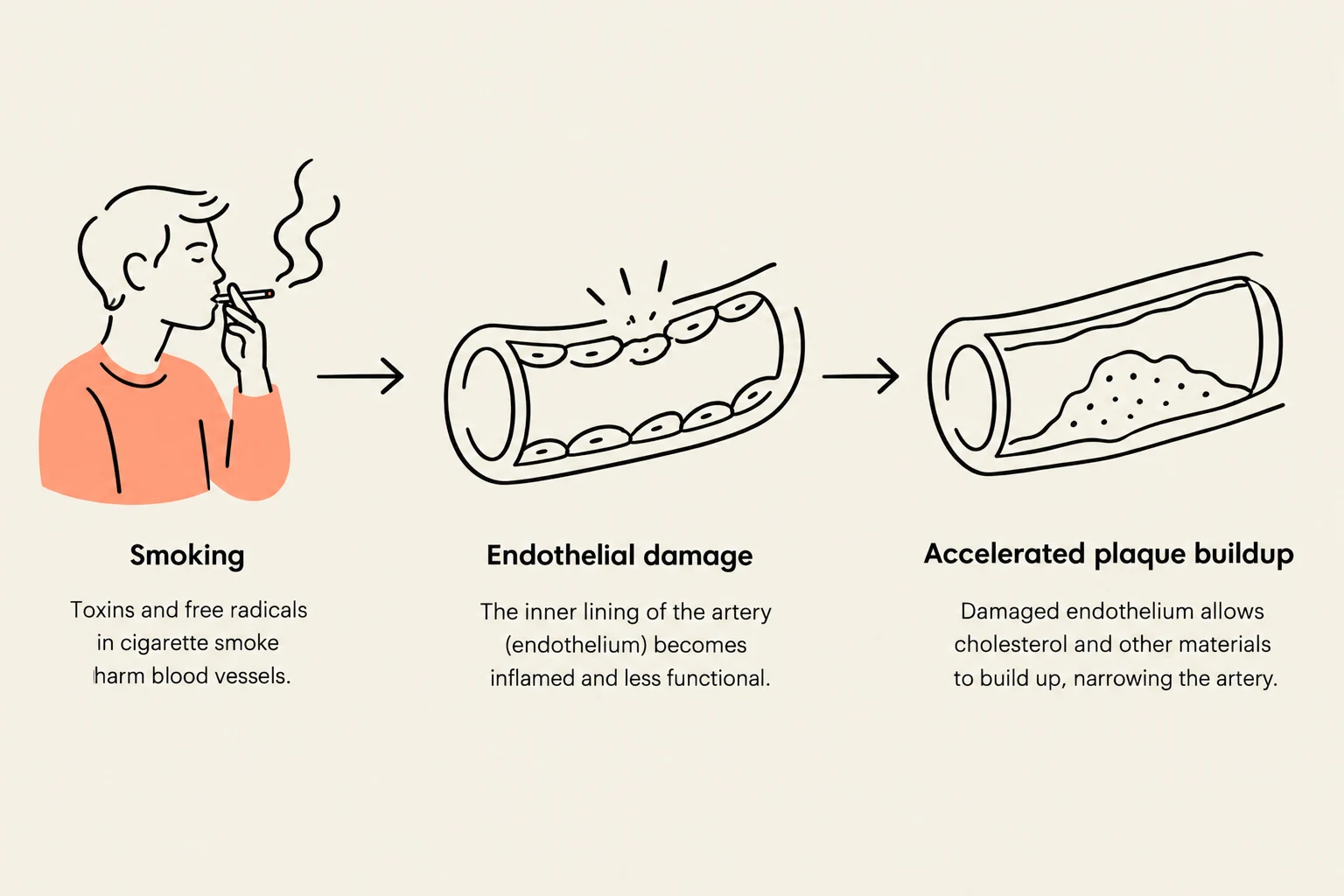
Smoking is perhaps the most potent preventable risk factor for PAD. The chemicals in tobacco smoke cause inflammation in the blood vessels and accelerate the process of atherosclerosis. Furthermore, nicotine acts as a vasoconstrictor, narrowing the vessels and further restricting blood flow.
Physical Inactivity and Diet
A sedentary lifestyle contributes to obesity and metabolic dysfunction, both of which are precursors to vascular disease. Diets high in saturated fats and processed sugars contribute to the systemic inflammation that damages the endothelium (the inner lining of the arteries).
This illustration depicts the process by which smoking leads to endothelial damage and accelerated plaque buildup in arteries.
Exam Tip: When evaluating a patient for PAD, always prioritize a detailed smoking history. Even "social" smoking can significantly increase the risk of peripheral vascular disorders compared to non-smokers.
Physiological Risk Factors: Metabolic Drivers
Physiological risk factors are the internal biological states that drive arterial narrowing. While some can be managed through medication, they represent the "engine" of the disease process.
Diabetes Mellitus
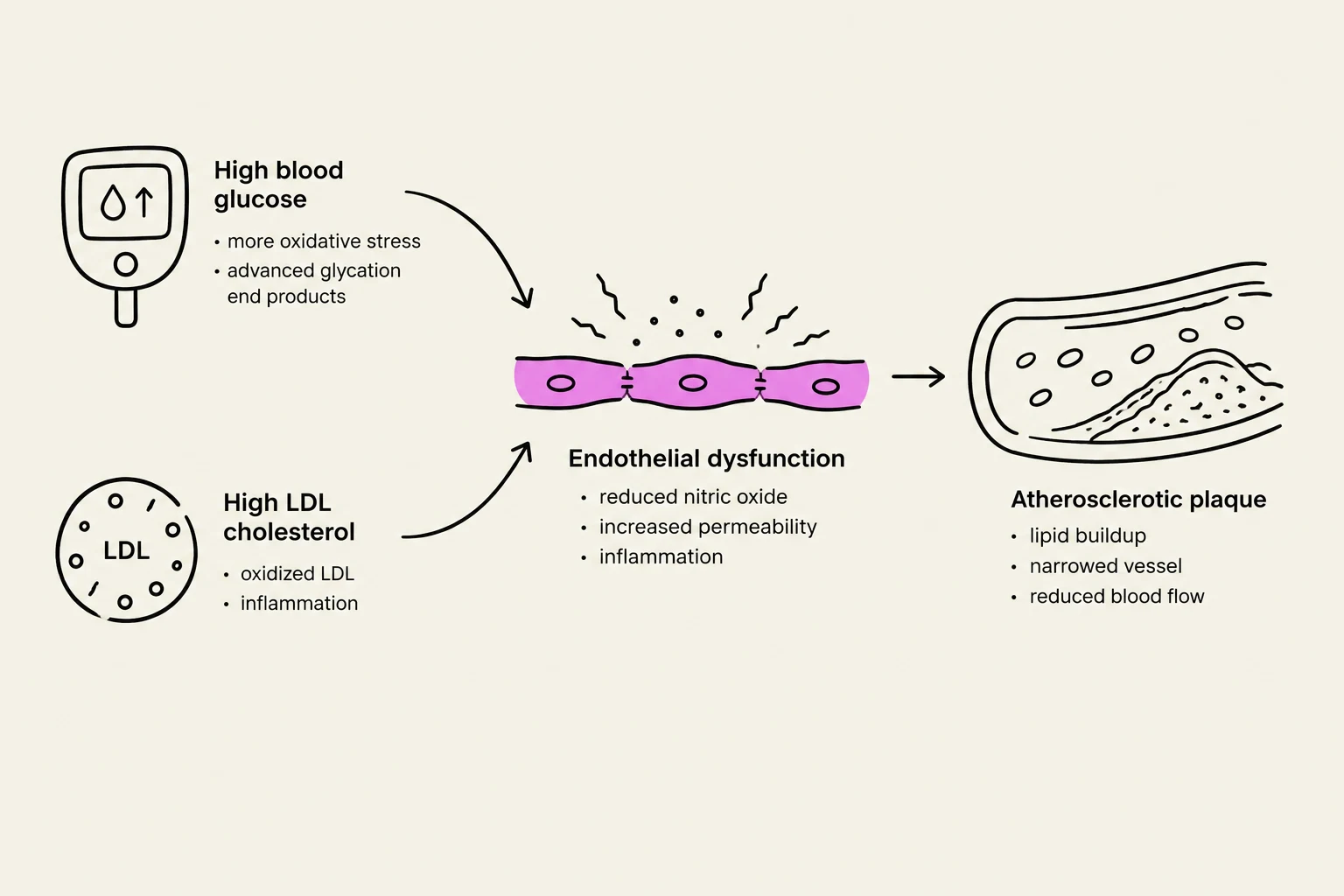
Diabetes is a major driver of PAD. Chronic hyperglycemia (high blood sugar) damages the blood vessels through several mechanisms, including the formation of advanced glycation end-products (AGEs) that stiffen the arteries. Patients with diabetes are not only at higher risk of developing PAD but often experience more severe symptoms and slower healing processes in the extremities.
Hyperlipidemia and Cholesterol
Hyperlipidemia refers to abnormally high levels of lipids (fats) in the blood, particularly Low-Density Lipoprotein (LDL), often called "bad" cholesterol. When LDL levels are excessive, they infiltrate the arterial wall, where they become oxidized and trigger an immune response, leading to the formation of atherosclerotic plaques.
The relationship between cholesterol and arterial narrowing can be conceptualized by the accumulation of lipids over time:
This diagram illustrates how high blood glucose and high LDL cholesterol can lead to endothelial dysfunction, characterized by reduced nitric oxide, increased permeability, and inflammation. This dysfunction can ultimately result in the formation of an atherosclerotic plaque, causing a narrowed vessel and reduced blood flow.
Hypertension
High blood pressure (hypertension) creates mechanical stress on the arterial walls. This constant pressure can cause micro-tears in the endothelium, providing an entry point for cholesterol to settle and form plaques.
Genetic and Non-Modifiable Factors
While lifestyle and physiology are often manageable, certain factors are "baked in" to the patient's profile, requiring clinicians to focus more heavily on aggressive management of the modifiable risks.
Age and Gender
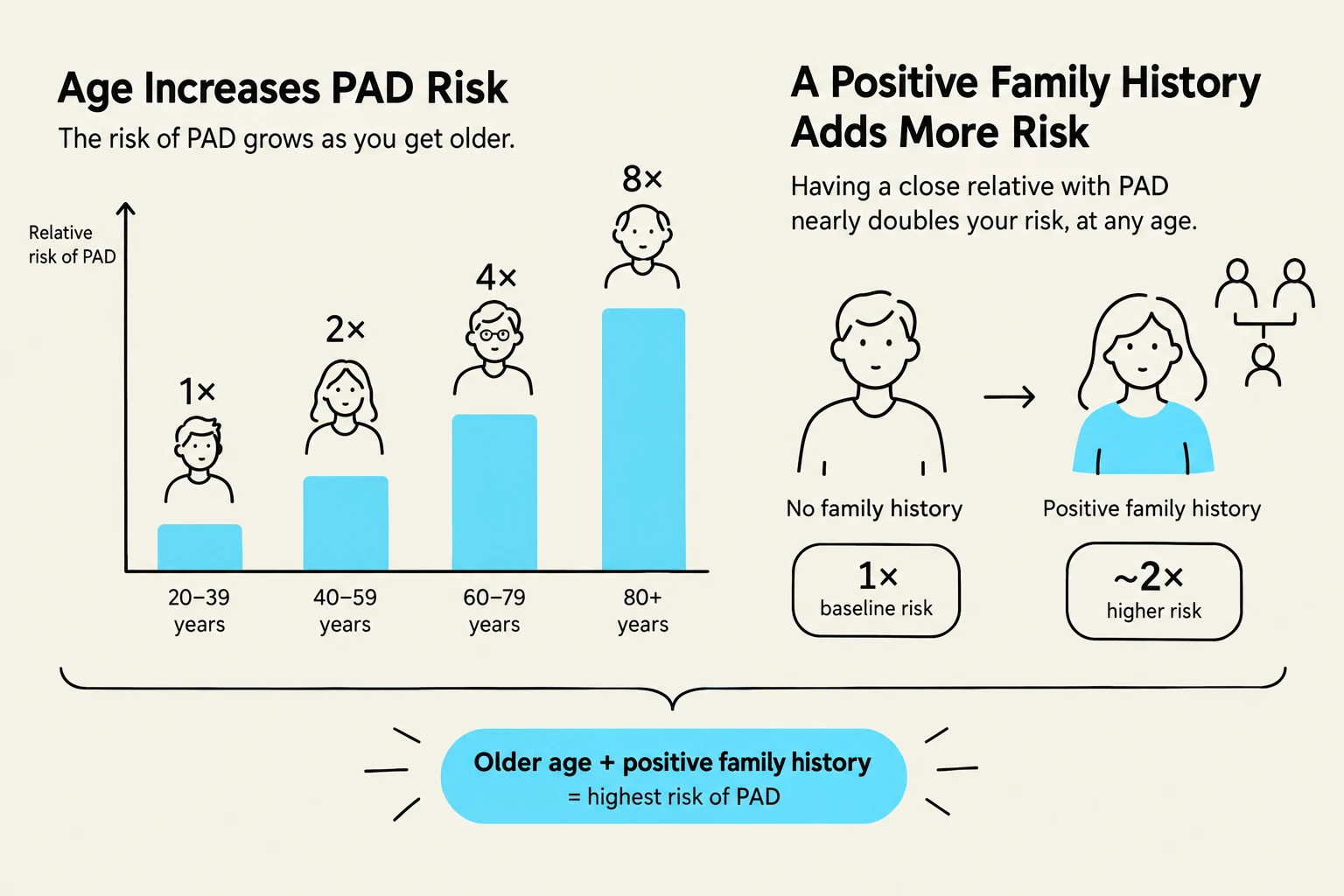
The risk of PAD increases significantly with age, as the cumulative effect of vascular wear and tear becomes more pronounced. Historically, men have shown a higher prevalence of PAD, though the gap narrows in older populations as women reach menopause.
Family History and Genetics
A family history of cardiovascular disease or PAD suggests a genetic predisposition to how the body processes lipids or manages vascular inflammation. If a first-degree relative has suffered from peripheral vascular disorders, an individual's risk profile is elevated regardless of their current lifestyle.
This illustration shows that the risk of Peripheral Artery Disease (PAD) increases with age and is further elevated by a positive family history. The highest risk is associated with older age combined with a positive family history.
Summary Table of Risk Factors
To help synthesize this information, the following table categorizes the risk factors discussed:
Category
Factor
Modifiability
Mechanism of Action
Lifestyle
Smoking
High
Vasoconstriction & Endothelial damage
Lifestyle
Sedentary Behavior
High
Contributes to obesity & metabolic issues
Physiological
Diabetes
Moderate
Glycation of vessels & vascular damage
Physiological
Hyperlipidemia
Moderate
Plaque formation via LDL accumulation
Physiological
Hypertension
Moderate
Mechanical stress/tearing of arterial walls
Genetic/Other
Age
Low
Cumulative vascular damage
Genetic/Other
Family History
Low
Genetic predisposition to lipid/vascular issues
By understanding these intersecting factors, healthcare providers can move beyond simple symptom management and toward a comprehensive preventative strategy that addresses the root causes of peripheral vascular disease.
Keep reading for free.
Create an account to finish this reading and make it part of your study routine.