


In the complex world of clinical medicine, maintaining a stable internal environment is critical for survival. One of the most vital aspects of this stability is acid-base balance. The body must precisely regulate the concentration of hydrogen ions to maintain a specific pH range. When the respiratory system fails to properly manage the exchange of gases, it leads to significant acid-base imbalances known as respiratory acidosis and respiratory alkalosis.
The Role of Carbon Dioxide and Gas Exchange
To understand respiratory imbalances, one must first understand the relationship between breathing and chemistry. During normal respiration, the lungs facilitate gas exchange: oxygen enters the bloodstream to fuel cellular function, while carbon dioxide () is removed from the body.
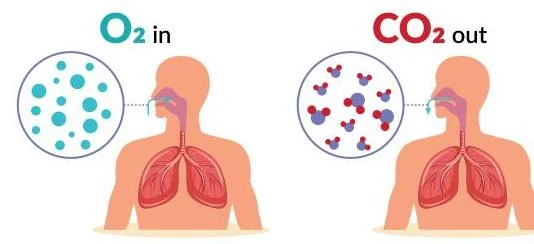
Carbon dioxide is a unique player in this process because of its chemical nature. A helpful way to remember this is the mnemonic "Carbon diACID"—because acts as an acid in the body. When levels rise, the blood becomes more acidic; when they drop, the blood becomes more alkaline.
The balance is measured through Arterial Blood Gas (ABG) analysis, focusing on several key values:
- pH levels: The measure of acidity or alkalinity. Normal range is approximately 7.35 to 7.45.
- : The partial pressure of carbon dioxide in arterial blood. This is the respiratory component.
- : Bicarbonate. This is the metabolic component (regulated by the kidneys) that helps buffer pH changes.
Keep reading for free.
Create an account to finish this reading and make it part of your study routine.
Continue reading freeAlready have an account? Log in
Updated