


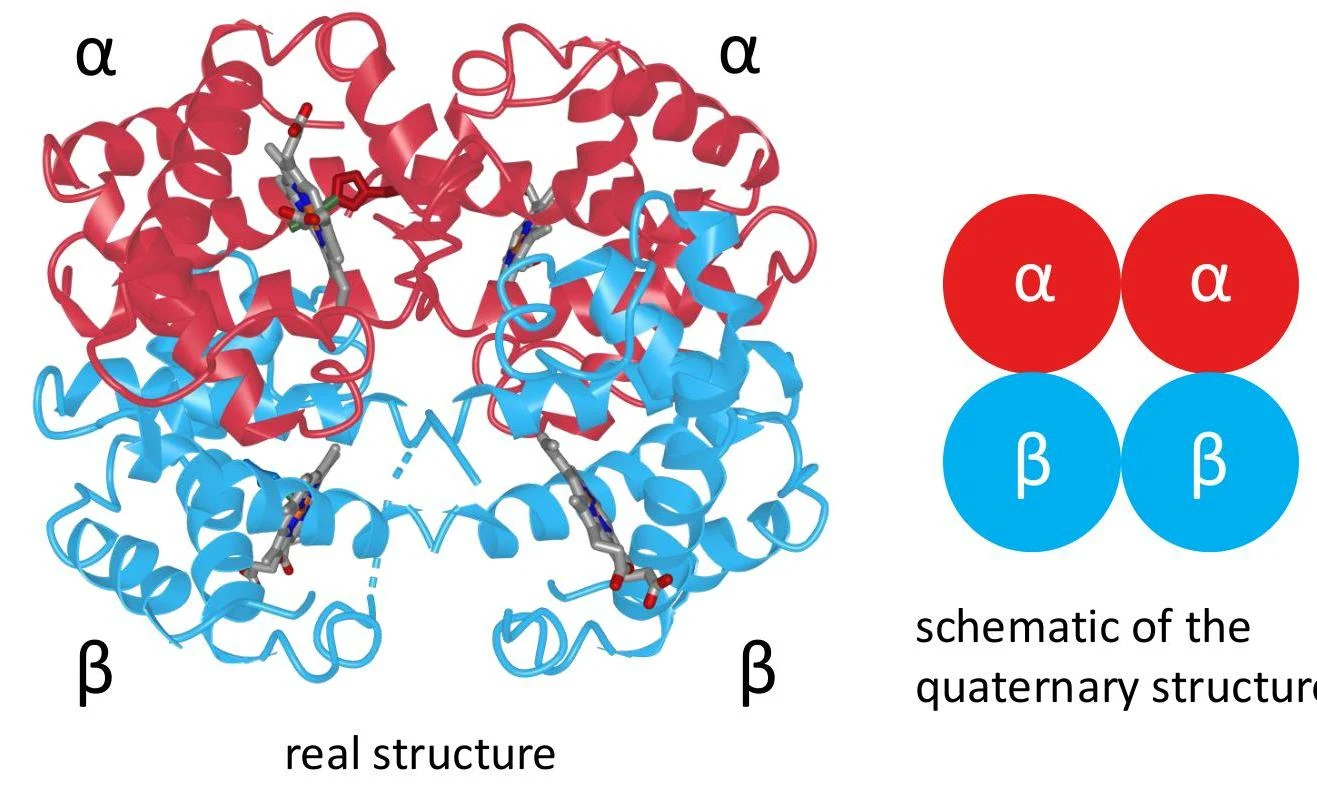
In the study of molecular biology, understanding a protein's function requires more than just knowing its amino acid sequence. While the primary, secondary, and tertiary structures describe the folding of a single polypeptide chain, many proteins achieve their biological purpose by assembling into larger, multi-subunit complexes. This highest level of organization is known as the quaternary structure.
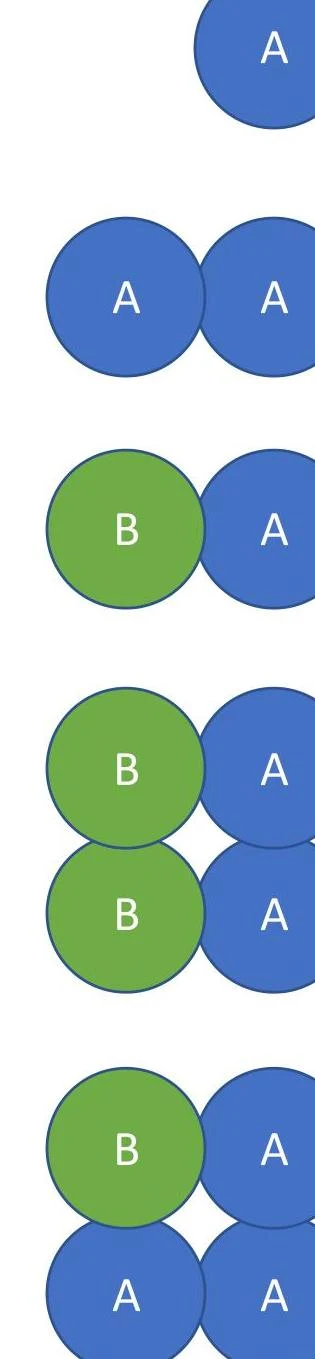
To communicate the complexity of these "mega-structures," scientists use a specific nomenclature system. This system allows researchers to describe exactly how many protein chains are involved and whether those chains are identical or different.
The Building Blocks: Subunits
Before diving into the naming conventions, it is essential to define the fundamental unit of quaternary structure. The individual polypeptide chains that come together to form a complex are called subunits.
It is important to distinguish between a domain and a subunit. A domain is a local region within a single polypeptide chain that folds independently. In contrast, a subunit is an entire protein molecule that acts as a component of a larger assembly.
Classification by Composition
The first step in naming a quaternary structure is determining the composition of the subunits. This tells us whether the complex is made of identical copies of a single protein or a mixture of different proteins.
Keep reading for free.
Create an account to finish this reading and make it part of your study routine.
Continue reading freeAlready have an account? Log in
Updated