


When a patient presents with a combination of respiratory distress and systemic exhaustion, the clinician must navigate a complex web of differential diagnoses ranging from simple viral infections to serious bacterial pneumonia or chronic obstructive pulmonary disease (COPD) exacerbations. This article examines a specific case study of MS, a 66-year-old male, to illustrate how history, vital signs, and physical examination findings converge to form a definitive diagnosis.
History of Present Illness and Review of Symptoms
The patient, MS, presented with a three-day history of progressive symptoms. What began as a scratchy throat and body aches quickly evolved into fever, chills, and profound fatigue. The most prominent symptom, however, was a cough. He described this as a deep, harsh, and productive cough characterized by spasmodic episodes and the production of small amounts of discolored mucus.
In clinical practice, the "chief concern" is often the most bothersome symptom. For MS, the cough was severe enough to disrupt his sleep, a significant factor in assessing the impact of the illness on his daily life. He also reported significant exhaustion, spending much of his time in bed or on the couch.
Clinical Tip: When assessing a cough, always differentiate between a "dry" (nonproductive) cough and a "productive" cough. A productive cough involving discolored mucus can be a hallmark of bacterial infections like pneumonia.
Vital Signs and Physical Assessment
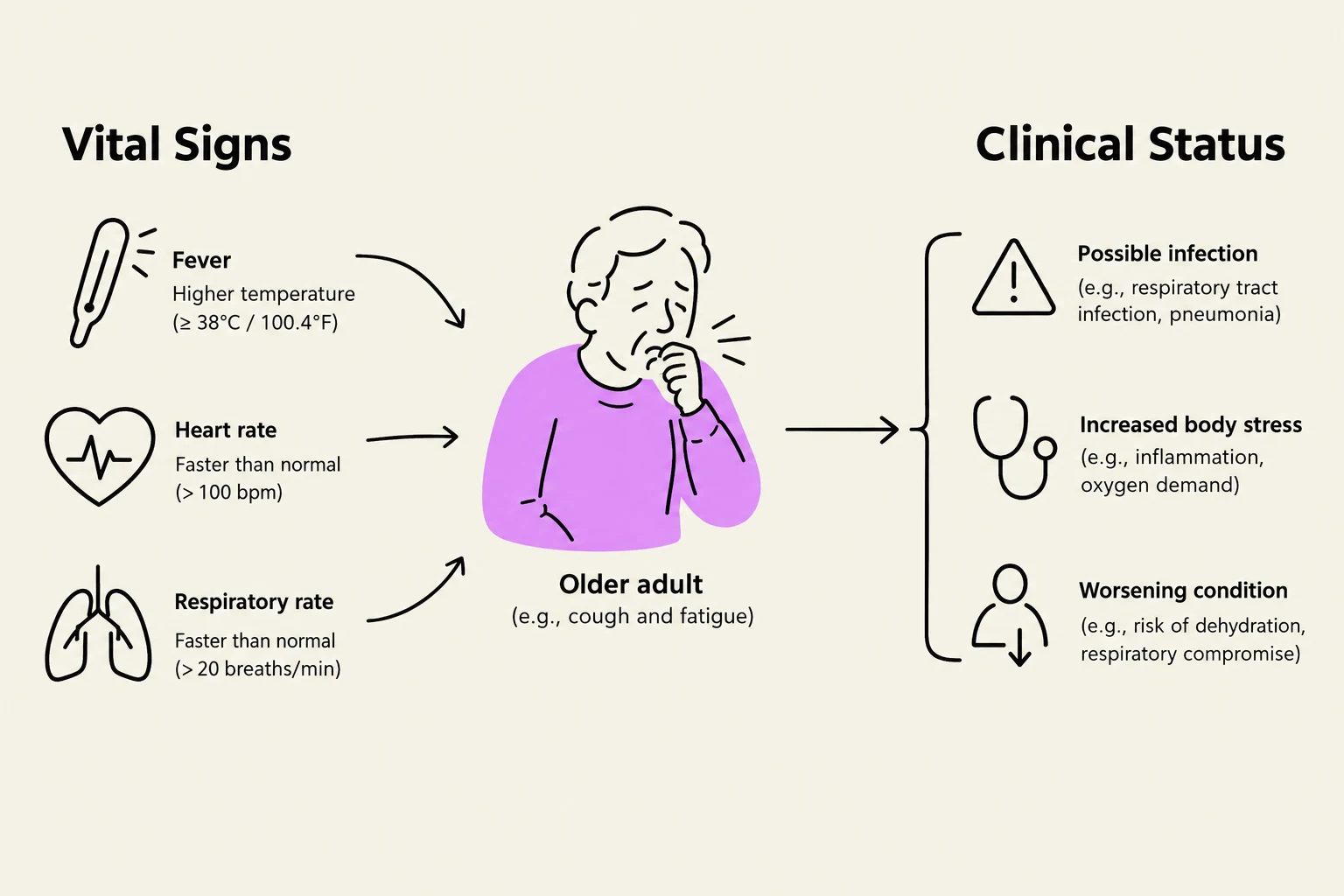
Initial assessment of MS's vital signs provided immediate clues regarding his physiological state:
- Temperature: (indicating a febrile state)
- Pulse:
- Respirations: (within the normal adult range of 12–20)
- Blood Pressure:
- Pulse Oximetry: $96%$
- BMI: (classified as obese)
Keep reading for free.
Create an account to finish this reading and make it part of your study routine.
Continue reading freeAlready have an account? Log in
Updated