


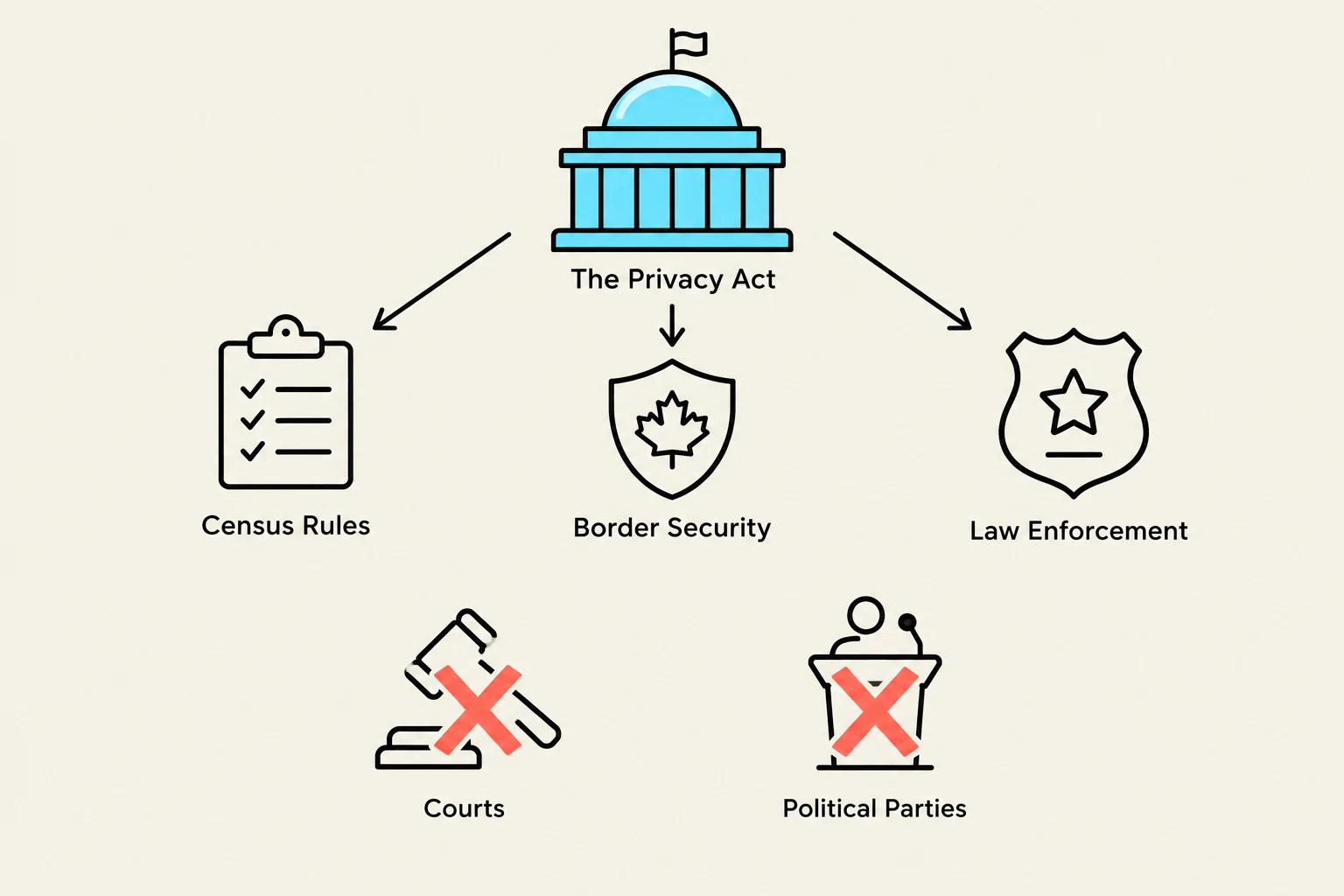
In the modern era of data exchange, understanding how your data is handled is essential. Whether you are interacting with a local business or a government agency, there are specific legal frameworks in place to govern how your data is managed. In Canada, these protections are primarily divided between two major pieces of federal legislation: PIPEDA and The Privacy Act.
While both laws aim to protect individuals, they apply to different sectors and serve different purposes. This article will break down the distinctions between these two acts, define what constitutes personal information, and explain the rules that govern its lifecycle.
Defining Personal Information

It is important to recognize that not all information is treated equally. Some data is considered highly sensitive, such as a person's name combined with their home address. As we move further into a digital-first world, the risks and potential for harm associated with the mishandling of this information increase significantly.
Key Concept: Ownership vs. Stewardship A fundamental principle to remember is the distinction between who "owns" the data and who "holds" the record. While a patient or individual owns their information, the organization (such as a doctor or a business) is responsible for the record itself.
Keep reading for free.
Create an account to finish this reading and make it part of your study routine.
Continue reading freeAlready have an account? Log in
Updated