


In the study of microbiology, it is essential to distinguish between simple exposure to a microbe and the actual development of a disease. Exposure refers to the contact between a potentially pathogenic microorganism and a host's entry points, such as the eyes, mouth, gut, or mucous membranes. Infection occurs when those microorganisms invade and multiply (proliferate) within the body. Finally, disease is the clinical medical condition characterized by symptoms that adversely affect the structure or function of tissues and organs.
Pathogenic Microorganisms and Virulence
A pathogen is a microorganism specifically capable of causing disease. However, pathogenicity is not a fixed trait; a microorganism might be pathogenic in one host but non-pathogenic in another. Pathogens can acquire increased "virulence"—their capacity to cause disease—through genetic modifications or the transfer of plasmids.
The process of infection generally follows a specific sequence of stages:
- Colonization: The establishment of the pathogen at a portal of entry through adherence.
- Invasiveness: The production of invasins that promote entry into host tissues.
- Toxigenesis: The synthesis and release of toxins.
- Evasion: The ability of the pathogen to bypass the host's immune system.
Exam Tip: Portals of Entry Remember that the "preferred" portal of entry varies by pathogen. The respiratory tract is the most common, but the gastrointestinal tract is a major route for food-borne pathogens. The parenteral route (direct deposition via bites or injections) bypasses many primary defenses like intact skin.
Mechanisms of Toxigenesis
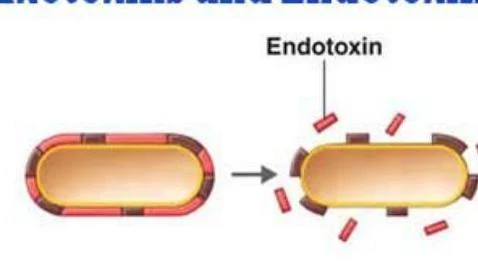
One of the most critical ways bacteria cause damage is through the production of toxins. These are broadly classified into two categories: exotoxins and endotoxins.
Keep reading for free.
Create an account to finish this reading and make it part of your study routine.
Continue reading freeAlready have an account? Log in
Updated