


In the clinical management of reproductive health, most abortion procedures are successful and follow a predictable recovery path. However, medical professionals must remain vigilant for rare complications that may arise during the post-procedure period. One such rare but significant complication is an ongoing pregnancy.
An ongoing pregnancy occurs when the intended abortion procedure fails to terminate the pregnancy, resulting in the continued development of the fetus. While statistically uncommon, understanding how to identify, diagnose, and manage this condition is essential for providing comprehensive patient care.
Defining the Complication
An abortion complication is any unintended medical issue that arises following a termination procedure. While many patients experience expected symptoms like mild cramping or spotting, other issues require immediate clinical attention. Common complications include infection, uterine perforation, hemorrhage, and retained products of conception.
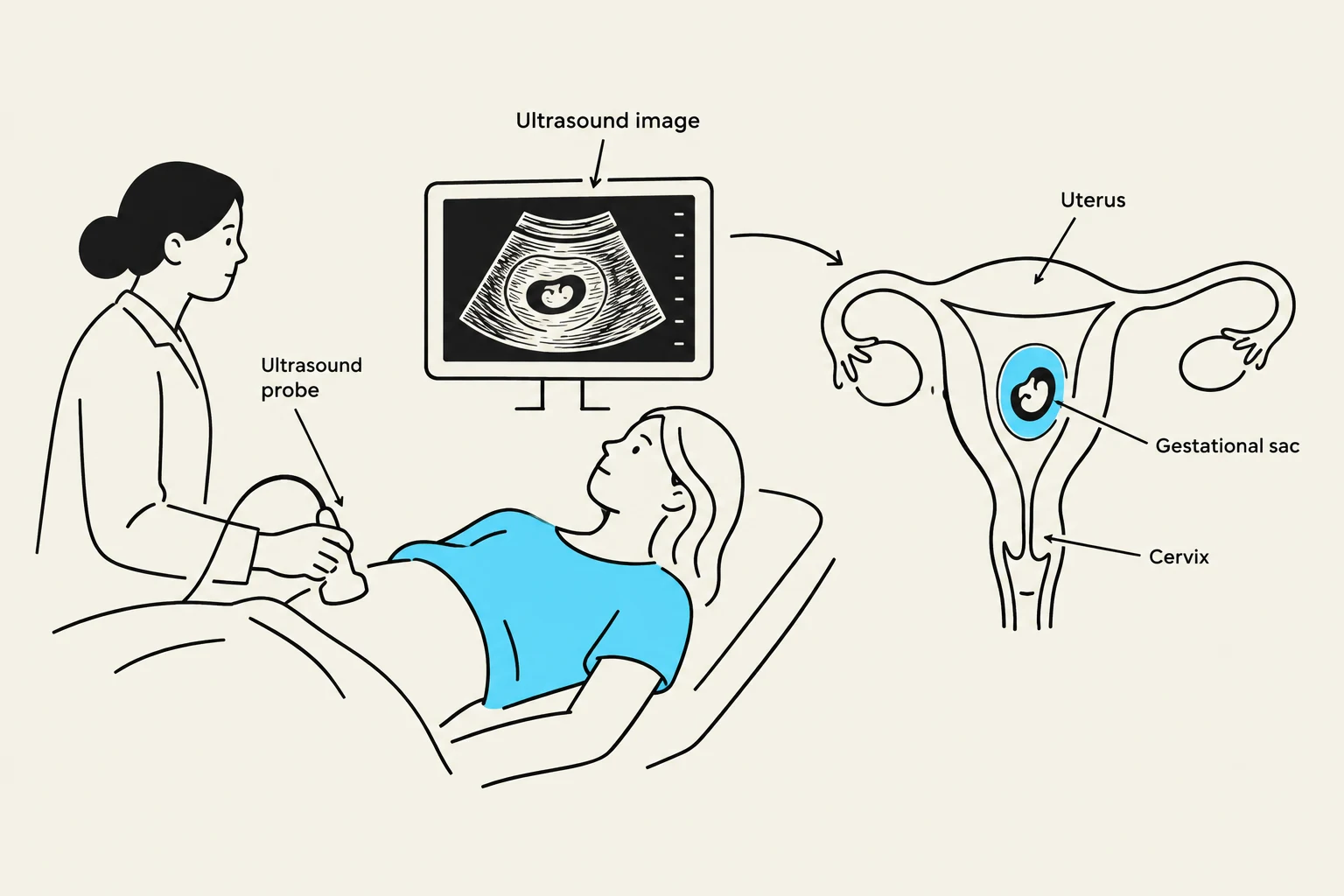
Ongoing pregnancy is distinct from "retained products of conception" (RPOC). While RPOC involves pregnancy tissue remaining in the uterus after a procedure has been completed—which can lead to pain, heavy bleeding, or infection—an ongoing pregnancy means the entire gestational process has continued despite the intervention.
Clinical Note: It is vital to distinguish between RPOC and an ongoing pregnancy. RPOC typically involves tissue that needs removal to prevent infection or hemorrhage, whereas an ongoing pregnancy involves a viable or developing gestational sac that requires a different management pathway.
Keep reading for free.
Create an account to finish this reading and make it part of your study routine.
Continue reading freeAlready have an account? Log in
Updated