


The respiratory system is a complex network of passages designed to facilitate the exchange of gases between the atmosphere and the blood. While the system is highly efficient under normal conditions, various pathological states can disrupt the flow of air. Among these, obstructive lung diseases represent a significant category of respiratory dysfunction characterized by difficulty in moving air out of the lungs.
Understanding Airway Resistance
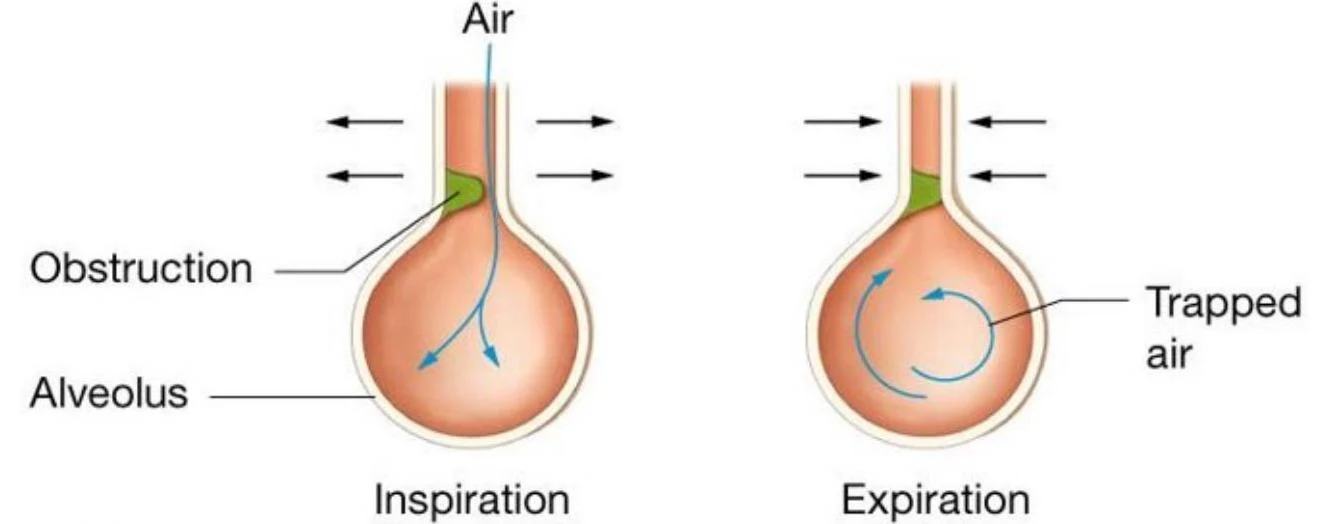
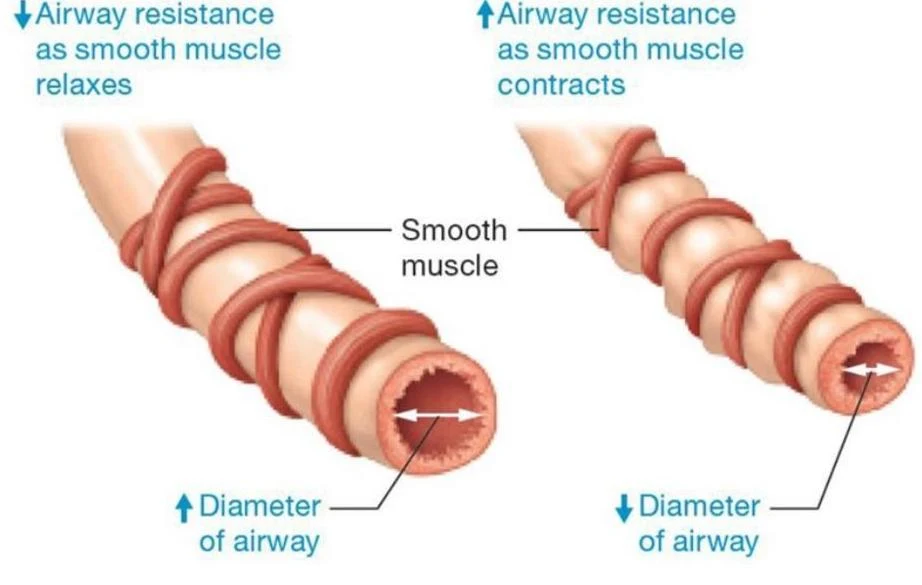
The hallmark of obstructive lung diseases is an increase in airway resistance. In a healthy respiratory system, air flows relatively freely through the conducting zone—from the nose and trachea down to the bronchioles. However, when resistance increases, the efficiency of expiration (breathing out) decreases significantly.
This resistance can lead to a dangerous cycle: during expiration, the normal elastic recoil of lung tissue can cause the weakened or narrowed airways to collapse. When airways collapse prematurely, they trap air within the alveoli. This trapped air is typically oxygen-poor and carbon dioxide-rich, which impairs the body's ability to maintain homeostasis.
Clinical Note: Lung Volumes Because of this air trapping, patients with obstructive diseases typically exhibit:
- An increase in residual volume (the air left in the lungs after maximal expiration).
- A decrease in vital capacity (the maximum amount of air a person can expel from the lungs after a maximum inhalation).
Chronic Obstructive Pulmonary Disease (COPD)
Chronic Obstructive Pulmonary Disease (COPD) is a clinical term used to describe persistent airway obstruction that is not fully reversible. COPD is not a single disease but rather an umbrella term that encompasses three primary subtypes: emphysema, small airway disease, and chronic bronchitis.
Keep reading for free.
Create an account to finish this reading and make it part of your study routine.
Continue reading freeAlready have an account? Log in
Updated