


In veterinary medicine, certain Gram-negative bacteria are notorious for their ability to transition from harmless commensals to devastating opportunistic pathogens. Members of the Pasteurellaceae family—specifically the genera Pasteurella, Mannheimia, and Avibacterium—are frequently found in the upper respiratory and gastrointestinal tracts of various animals. When host defenses are compromised by stress, viral infections, or environmental changes, these bacteria can invade deeper tissues, leading to systemic septicemia or severe localized respiratory disease.
General Bacteriological Characteristics
Before diving into specific diseases, it is essential to understand the shared morphological and cultural traits of these organisms. These bacteria are typically Gram-negative coccobacilli and are facultative anaerobes. They are oxidase-positive and often exhibit "bipolar staining," where only the tips of the cells appear stained when using Wright’s or Giemsa stains.
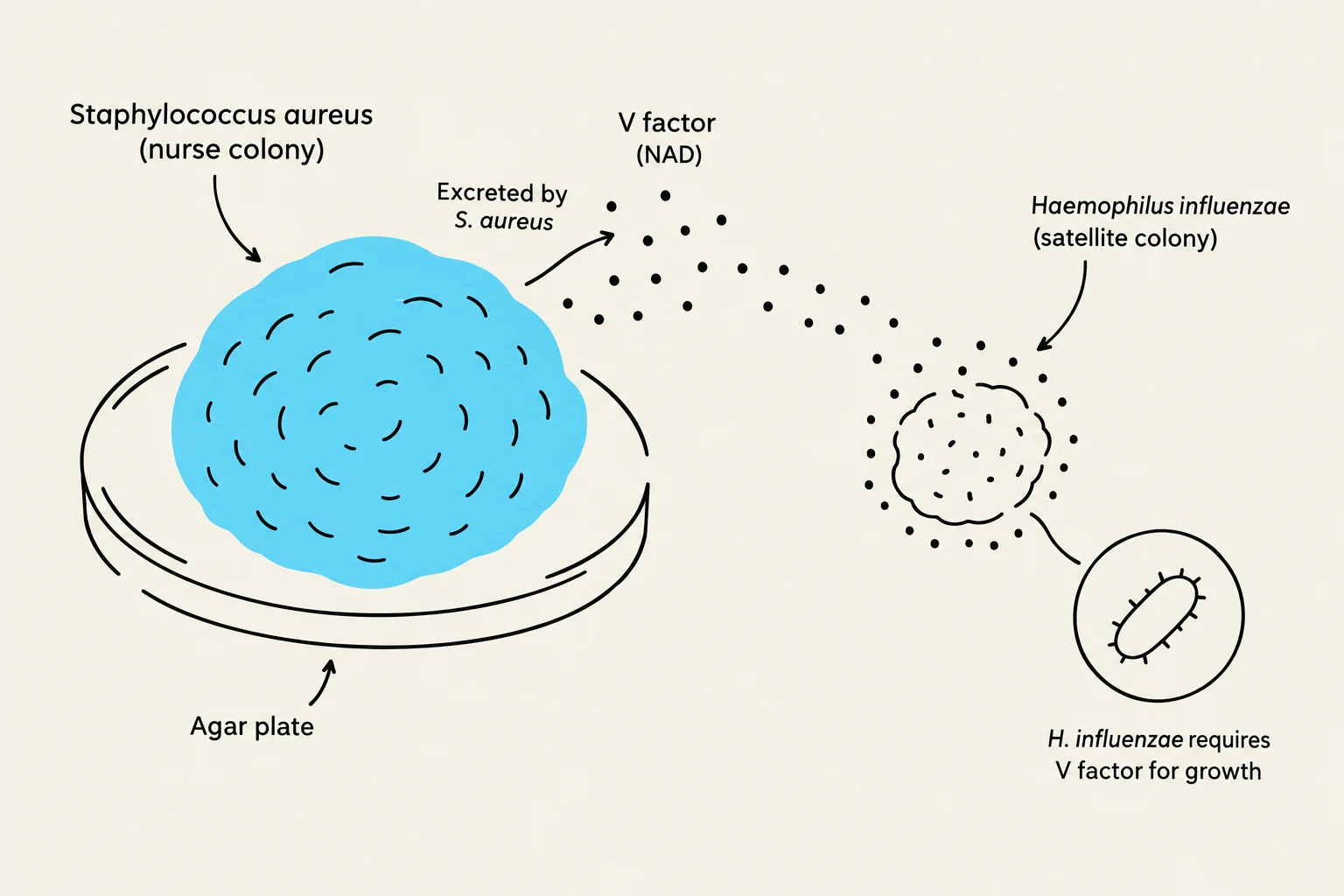
Most species in this group grow best in the presence of serum or blood. While they can be cultured on standard blood agar, certain species have specific nutritional requirements, such as the need for "V factor".
Exam Tip: If a question mentions "bipolar staining" and "Gram-negative coccobacilli" in a respiratory context, think of the Pasteurellaceae family.
Pasteurella multocida: A Versatile Pathogen
Pasteurella multocida is one of the most significant veterinary pathogens due to its wide host range and ability to cause diverse clinical presentations. It is categorized into five distinct capsular serogroups: A, B, D, E, and F. The specific subspecies and serogroup involved often dictate the disease manifest in the host.
Fowl Cholera (Poultry)
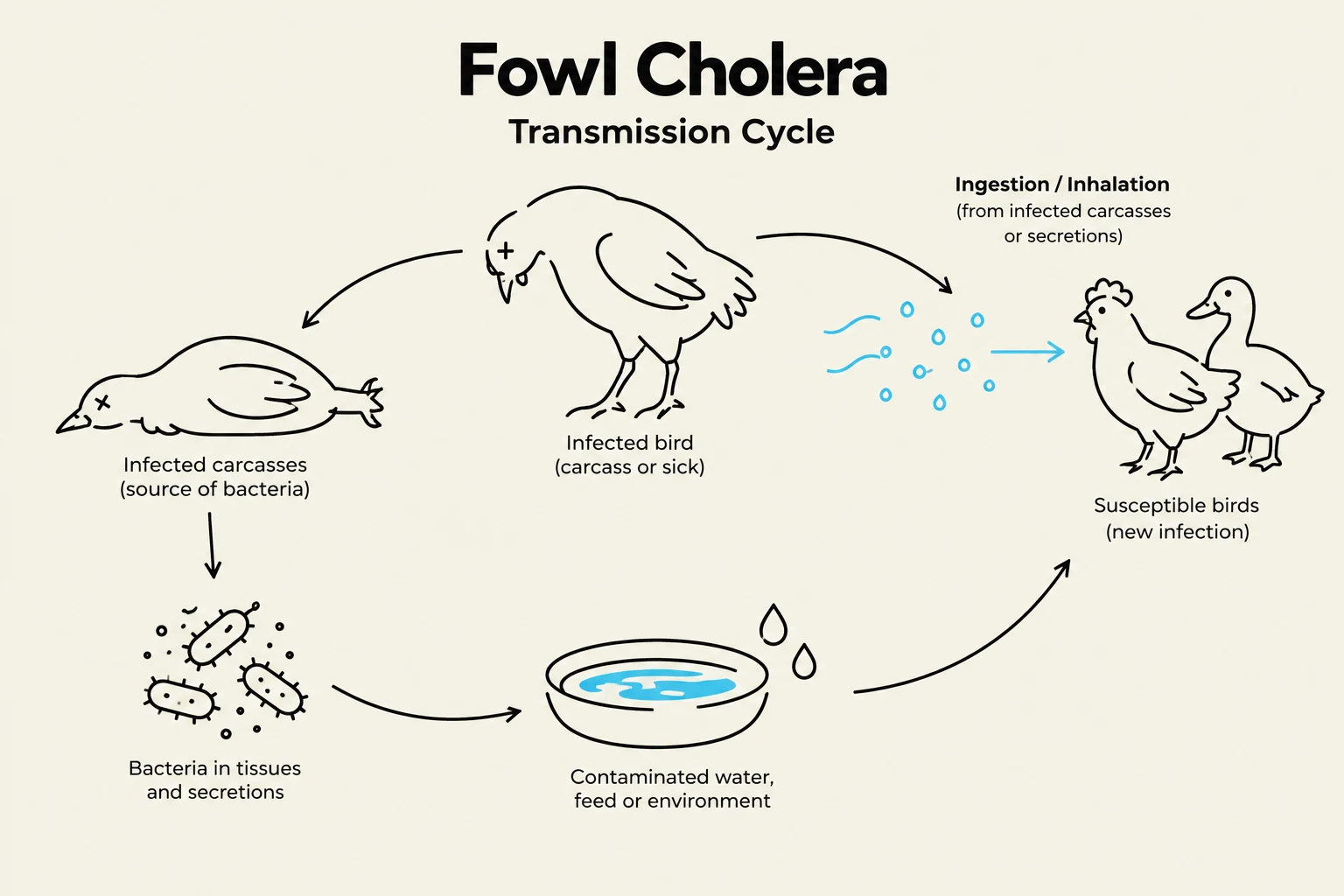
In poultry, particularly chickens and turkeys, P. multocida ssp. gallicida is the primary cause of Fowl Cholera. This disease is characterized by rapid mortality and severe vascular disturbances, such as petechial and ecchymotic hemorrhages in the subepicardial and subserosal locations. Chronic cases may present with swelling of the wattles, joints, tendon sheaths, and footpads. Transmission occurs through ingestion, inhalation, or contact with infected carcasses, but notably, it is not transmitted via eggs.
Keep reading for free.
Create an account to finish this reading and make it part of your study routine.
Continue reading freeAlready have an account? Log in
Updated