


Cell division is a fundamental biological process that allows organisms to grow, repair tissues, and reproduce. While somatic (body) cells undergo mitosis to create identical clones for growth, germ cells undergo a specialized process called meiosis to facilitate sexual reproduction. Meiosis is a complex, two-stage dance of chromosomes designed to reduce the chromosome number by half, ensuring that when a sperm and egg meet, the resulting offspring has the correct number of chromosomes. However, when this delicate process fails, a phenomenon known as non-disjunction occurs, leading to significant genetic consequences.
The Foundation: Meiosis and the Cell Cycle
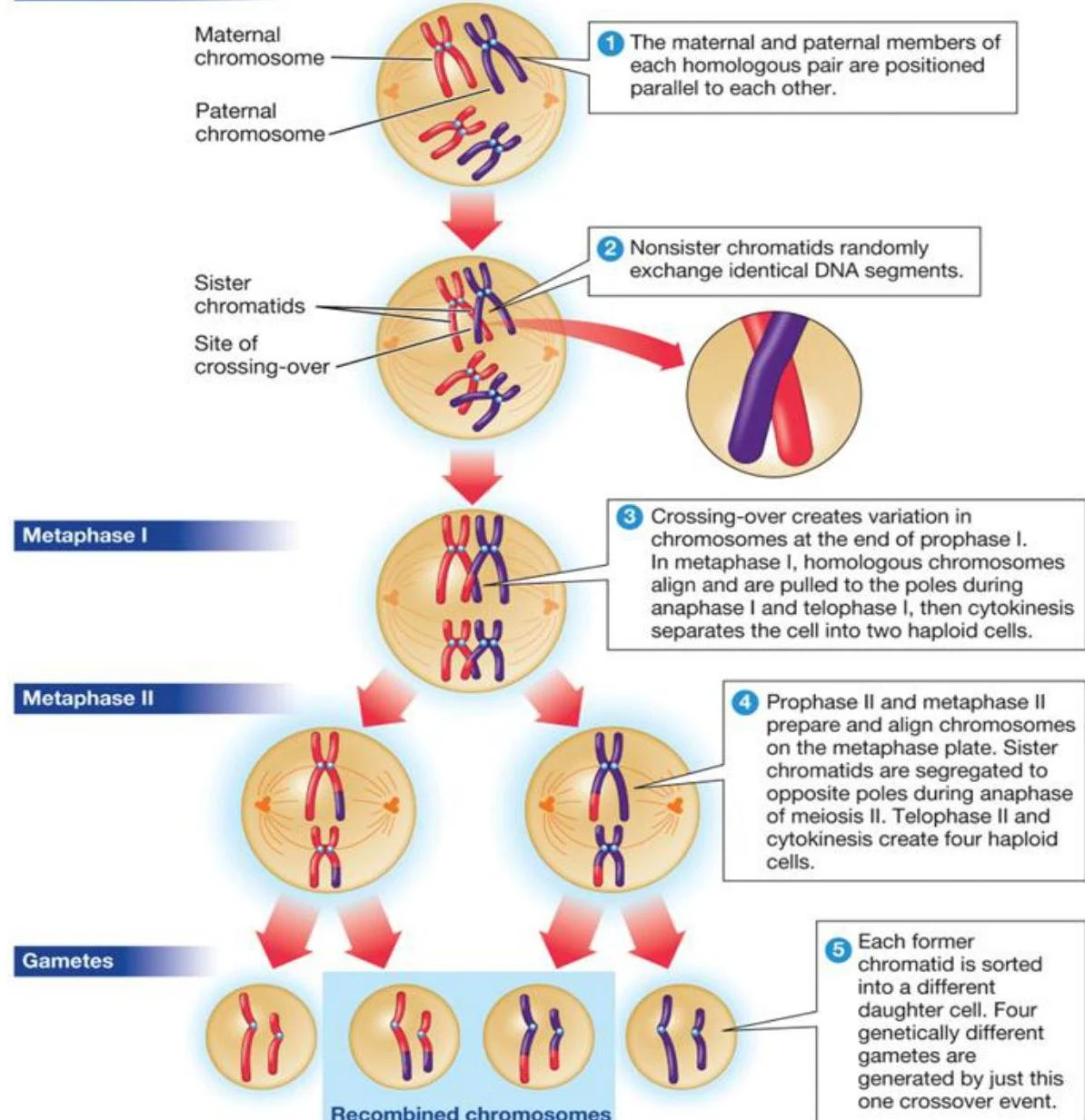
Before understanding how division goes wrong, we must understand how it is supposed to work. All eukaryotic cells follow a cell cycle consisting of interphase and the cell division stage. During the S-phase of interphase, DNA is replicated, meaning every chromosome is copied to form two genetically identical sister chromatids held together at a centromere.
Meiosis consists of two successive nuclear divisions: Meiosis I and Meiosis II.
Meiosis I: Reducing the Count
In Meiosis I, homologous chromosome pairs (one from the mother and one from the father) line up at the metaphase plate. The goal of this stage is to separate these homologous pairs into two different cells, effectively halving the chromosome number from diploid ($2n$) to haploid ().
Meiosis II: Separating the Chromatids
Meiosis II functions similarly to mitosis. Instead of separating homologous pairs, it focuses on the segregation of the sister chromatids into separate daughter cells. The end result of a successful meiotic process is four genetically unique haploid gametes (sperm or eggs).


Keep reading for free.
Create an account to finish this reading and make it part of your study routine.
Continue reading freeAlready have an account? Log in
Updated