


In mathematics, particularly within engineering and physics, we often need to understand how a function behaves as it approaches extreme values. Asymptotes are fundamental concepts used to describe this behavior, acting as lines that a curve approaches but does not necessarily touch or cross as it moves toward specific limits. Whether you are analyzing the decay of a radioactive substance or the stability of a maritime vessel, understanding these boundaries is essential for accurate modeling.
The Concept of Limits
To understand asymptotes, one must first understand the concept of a limit. A limit describes the value that a function approaches as the input gets closer and closer to a specific number or moves toward infinity.
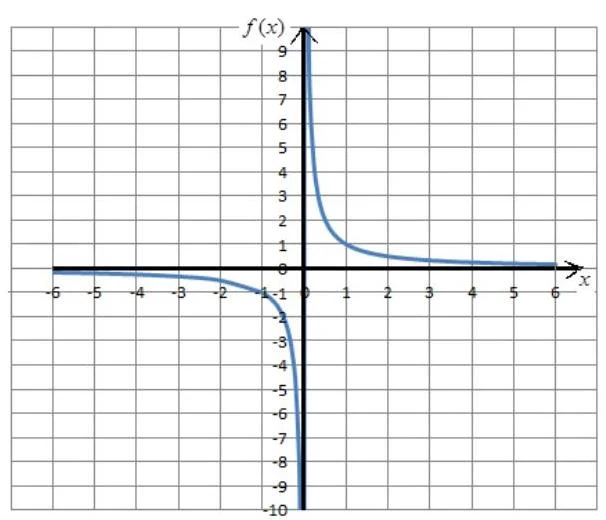
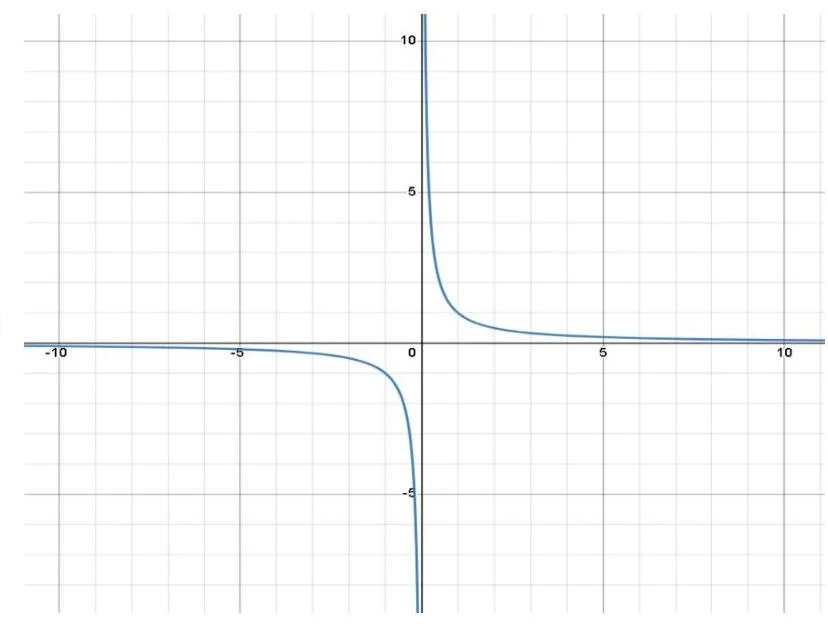
For example, consider the reciprocal function:
As becomes an increasingly large positive number, the value of becomes an infinitesimal—a value so small it is nearly zero. We express this relationship using limit notation:
This means that as tends toward infinity, the function's output tends toward zero.
Vertical Asymptotes
A vertical asymptote occurs when the function's output () approaches infinity or negative infinity as the input () approaches a specific finite value. This often happens in rational functions where the denominator becomes zero, creating a "restricted domain" because division by zero is undefined.
Keep reading for free.
Create an account to finish this reading and make it part of your study routine.
Continue reading freeAlready have an account? Log in
Updated