


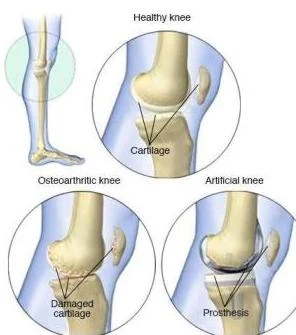
Arthroplasty, commonly referred to as joint replacement surgery, is a vital medical intervention for individuals suffering from severe joint pain, stiffness, and impaired mobility. These procedures are most frequently indicated for patients with advanced osteoarthritis (OA), where the protective cartilage between bones has worn away, leading to "bone-on-bone" contact. By replacing damaged bone and cartilage with prosthetic components, surgeons aim to relieve pain and restore functional movement.
Total Hip Arthroplasty (THA)
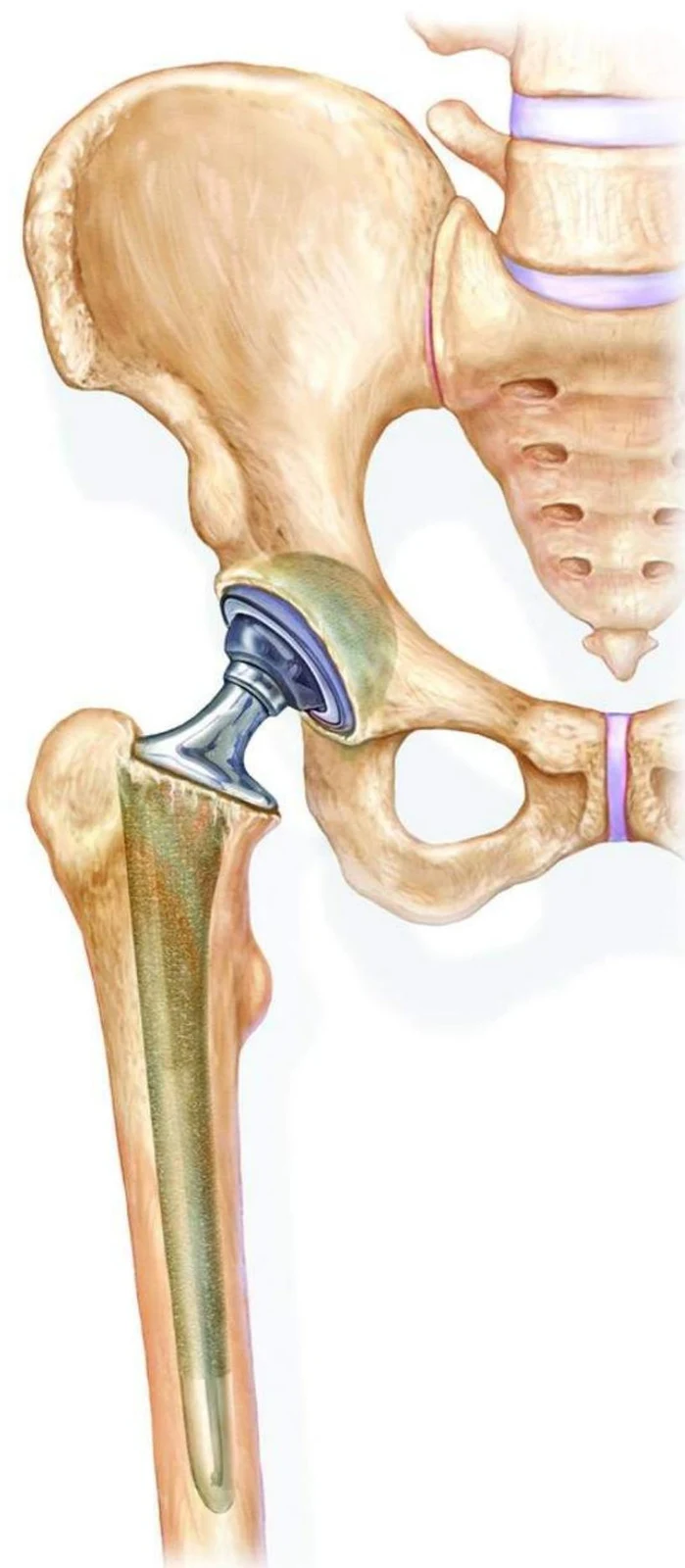
Total Hip Arthroplasty involves the replacement of the damaged hip joint components with artificial materials. The procedure typically involves several key prosthetic components:
- Femoral Head Replacement: The damaged head of the femur is removed and replaced with a metal stem that is inserted into the hollow center of the femur. This stem may be secured using cement or a "press fit" technique. A metal or ceramic ball is then placed on top of the stem to act as the new femoral head.
- Acetabulum Replacement: The damaged cartilage surface of the hip socket (the acetabulum) is removed and replaced with a metal socket. This socket may be held in place with screws or cement.
- Spacer: To ensure smooth gliding, a plastic, ceramic, or metal spacer is inserted between the new ball and the new socket.
Post-Surgical Precautions and Weight-Bearing
Recovery from THA is heavily dependent on following specific surgeon-mandated precautions to prevent dislocation and ensure proper healing. While precautions vary based on the surgical approach (such as the posterior approach), common restrictions include:
Keep reading for free.
Create an account to finish this reading and make it part of your study routine.
Continue reading freeAlready have an account? Log in
Updated