


In the modern financial landscape, investors face a dizzying array of choices, ranging from traditional stocks and bonds to complex derivatives and exotic collectibles. To navigate this complexity, one must move beyond mere intuition and employ rigorous methods to evaluate how individual assets contribute to the risk and return of an entire portfolio. This article explores the fundamental tools used to measure investment performance, the lessons learned from nearly a century of market data, and the strategic implications of passive investing.
Measuring Performance and Risk
To evaluate an investment, we must look at two primary dimensions: the expected reward and the volatility (risk) associated with that reward. There are two main ways to characterize these features:
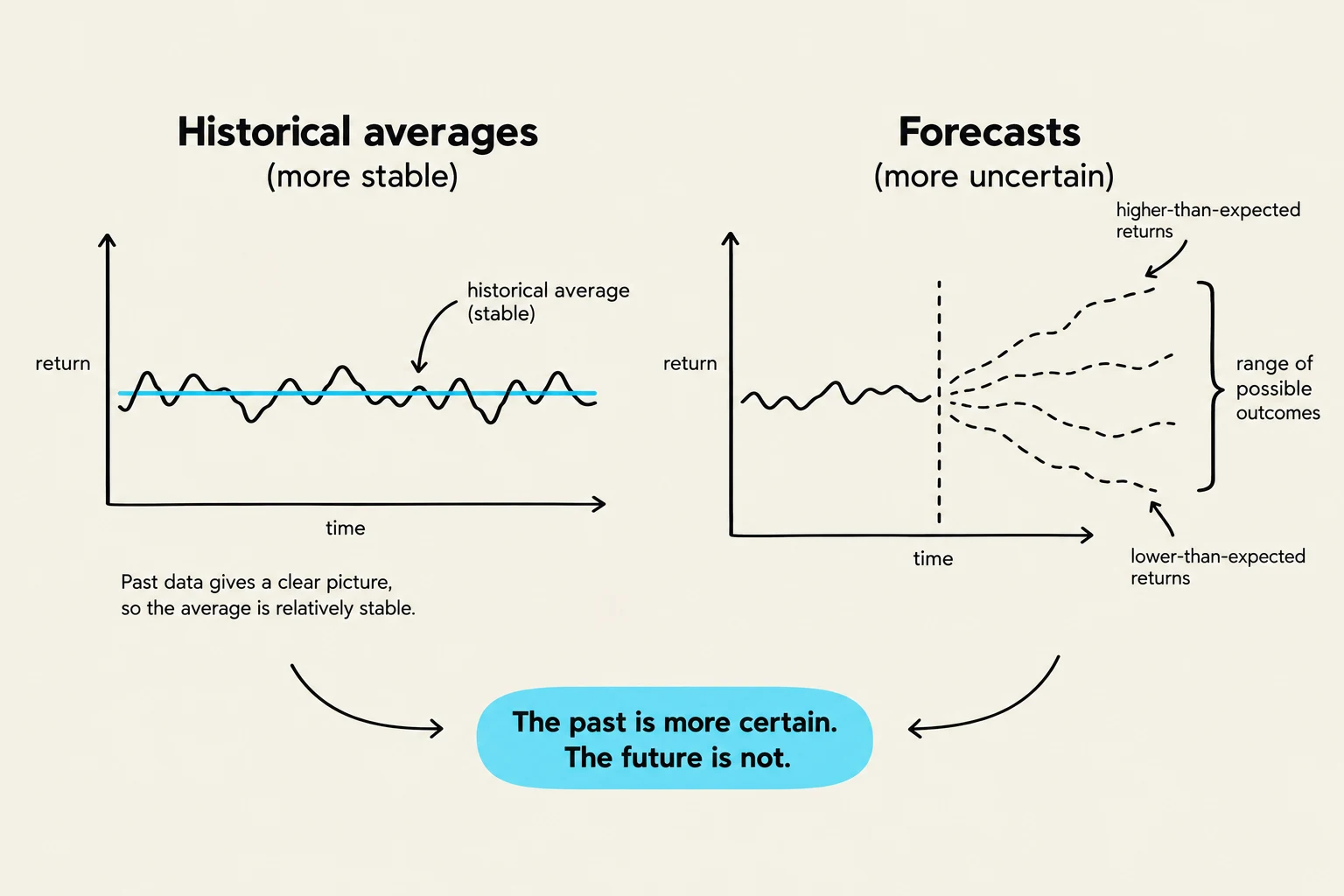
- Forward-Looking Scenario Analysis: This involves constructing various economic "scenarios" (e.g., recession, steady growth, or boom) and assigning probabilities to each. By specifying possible rates of return for each environment, investors can calculate an expected return and a measure of volatility.
- Historical Analysis: This method uses past performance data to characterize the risk-reward trade-off. While useful, it comes with significant caveats regarding its ability to predict the future.
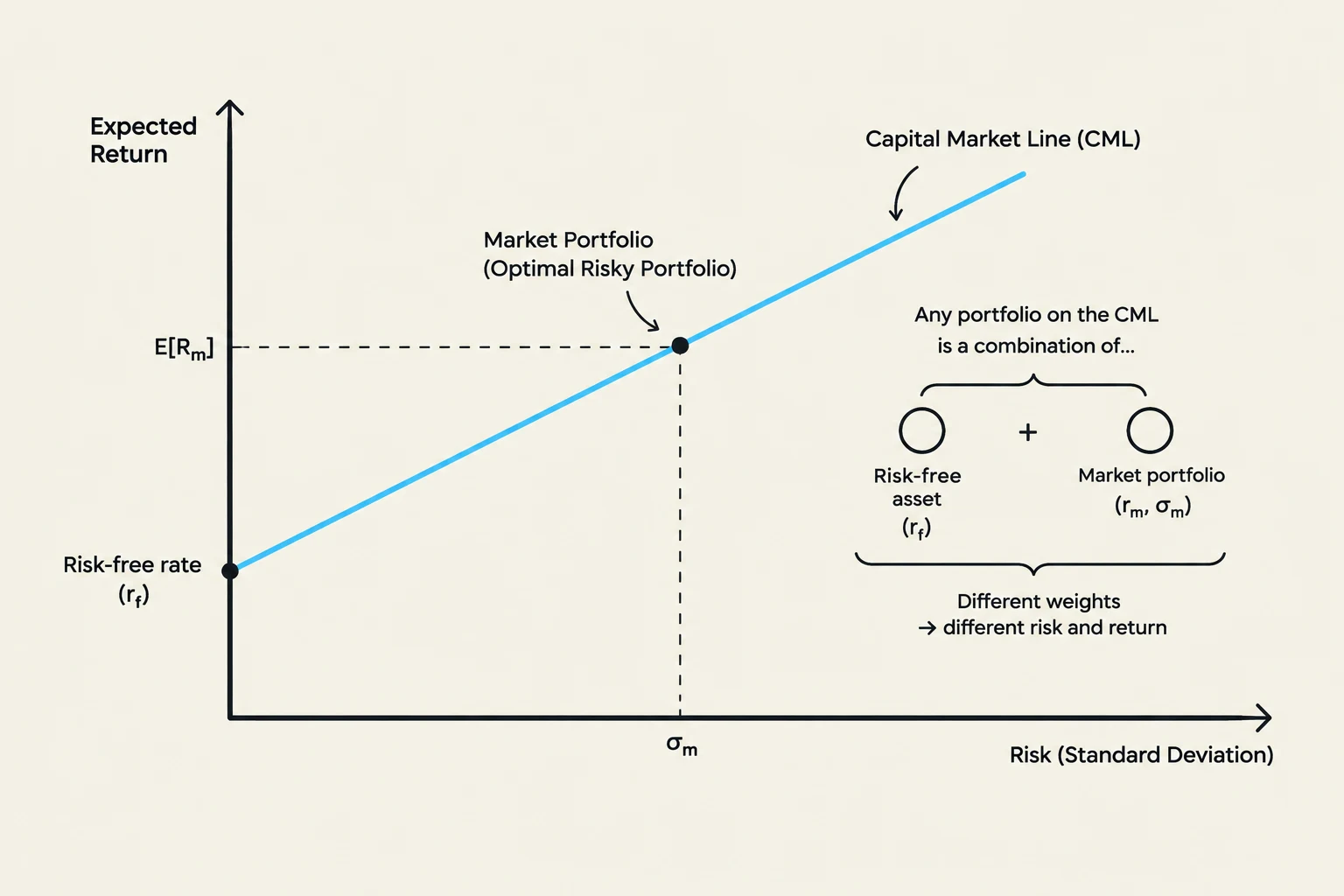
When constructing a portfolio, the goal is often to balance these two elements through capital allocation—the process of deciding how much of a portfolio should be placed in "risk-free" assets versus "risky" assets.
The Hierarchy of Risk: T-Bills, Bonds, and Stocks
Not all assets are created equal. By examining historical data from 1927 to 2022, we can observe a clear hierarchy of risk across different asset classes.
- Treasury Bills (T-bills): These are considered the least risky assets. Because they have very short maturities and are backed by the government, they have essentially zero default risk and highly stable prices. Interestingly, the spread in T-bill returns does not reflect traditional market risk, but rather changes in the risk-free rate over time.
- Long-term Treasury Bonds: While these are also certain to be repaid (no default risk), they carry significant interest-rate risk. Because they have long maturities (e.g., 30 years), their prices fluctuate meaningfully when interest rates change.
- Common Stocks: These represent the highest risk in this group. As a part-owner of a corporation, your return is directly tied to the success or failure of the underlying business.

Keep reading for free.
Create an account to finish this reading and make it part of your study routine.
Continue reading freeAlready have an account? Log in
Updated