


Inflammation is a predictable set of tissue and blood vessel actions caused by white blood cells (leukocytes) and their products in response to injury or infection. While inflammation is a necessary part of the healing process, chronic inflammation can lead to significant tissue damage and debilitating pain. Clinical symptoms of an inflammatory response typically include pain, redness, warmth, swelling, and loss of function.
To manage these symptoms and prevent long-term damage, healthcare providers utilize several classes of medications: Nonsteroidal Anti-inflammatory Drugs (NSAIDs), Corticosteroids, Disease-Modifying Antirheumatic Drugs (DMARDs), and Antigout drugs.
Nonsteroidal Anti-inflammatory Drugs (NSAIDs)
NSAIDs are widely used to manage pain and inflammation associated with rheumatic diseases, degenerative joint disease, osteoarthritis, and acute musculoskeletal problems. While their exact mechanism is not fully understood, they are believed to work by blocking the production of prostaglandins, which are chemical mediators that signal pain and promote inflammation.
COX-1 and COX-2 Inhibitors
The action of NSAIDs is closely tied to the inhibition of cyclooxygenase (COX) enzymes.
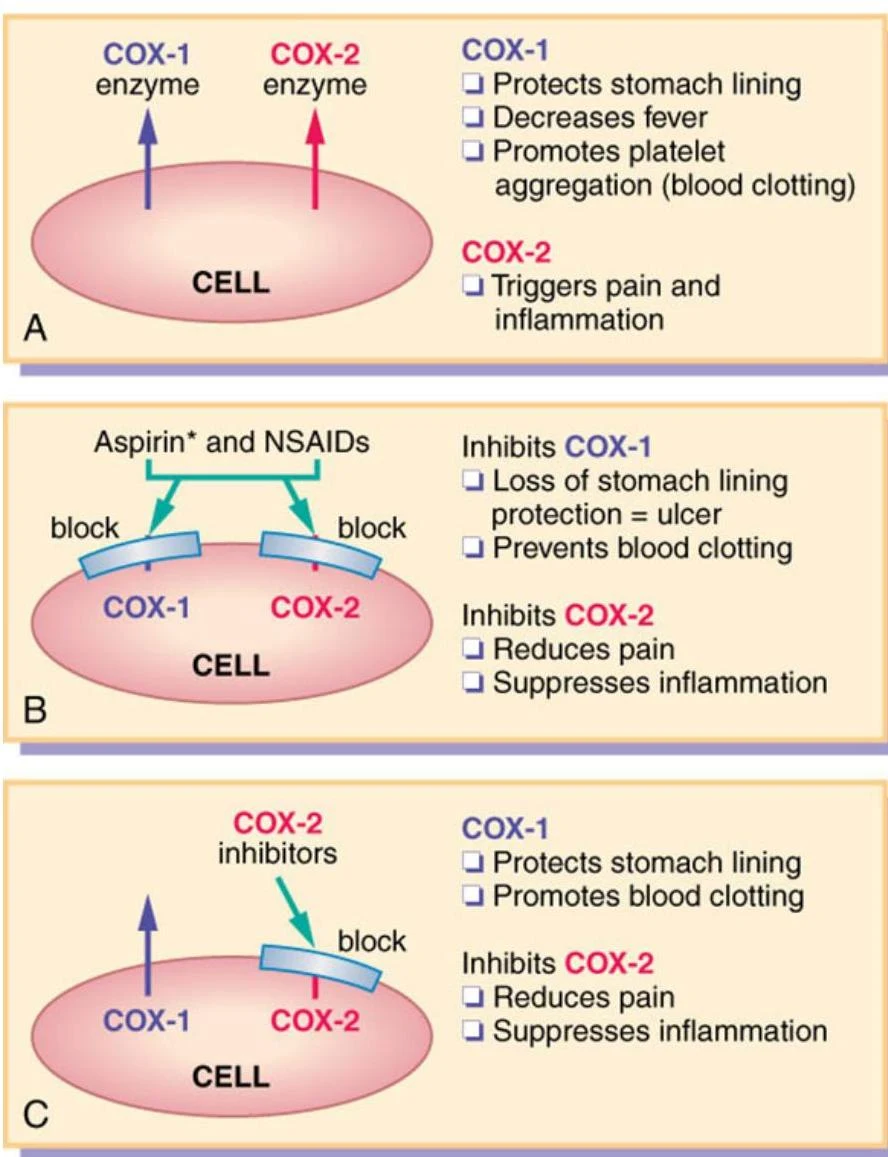
- COX-1 and COX-2 Inhibitors: These medications inhibit both types of enzymes. Examples include acetylsalicylic acid (Bayer Aspirin), ibuprofen (Advil), and ketorolac (Toradol).
- Selective COX-2 Inhibitors: These are designed to target the COX-2 enzyme specifically, which is primarily associated with inflammation, potentially reducing some side effects associated with COX-1 inhibition. Examples include Celecoxib (Celebrex) and Meloxicam.

Keep reading for free.
Create an account to finish this reading and make it part of your study routine.
Continue reading freeAlready have an account? Log in
Updated