


Infertility is a complex medical condition that affects millions of individuals and couples worldwide. While often viewed through a purely biological lens, it is a multifaceted issue that encompasses physiological, psychological, and ethical dimensions. As medical science advances, our ability to diagnose, treat, and even preserve reproductive potential has expanded significantly, moving the conversation from a once-taboo subject into the mainstream of modern healthcare.
Defining Infertility and Its Causes
Clinically, infertility is defined as the inability to conceive following a specific period of regular, unprotected intercourse. It is rarely the result of a single factor; rather, it is often multifactorial, stemming from a combination of biological and environmental influences.
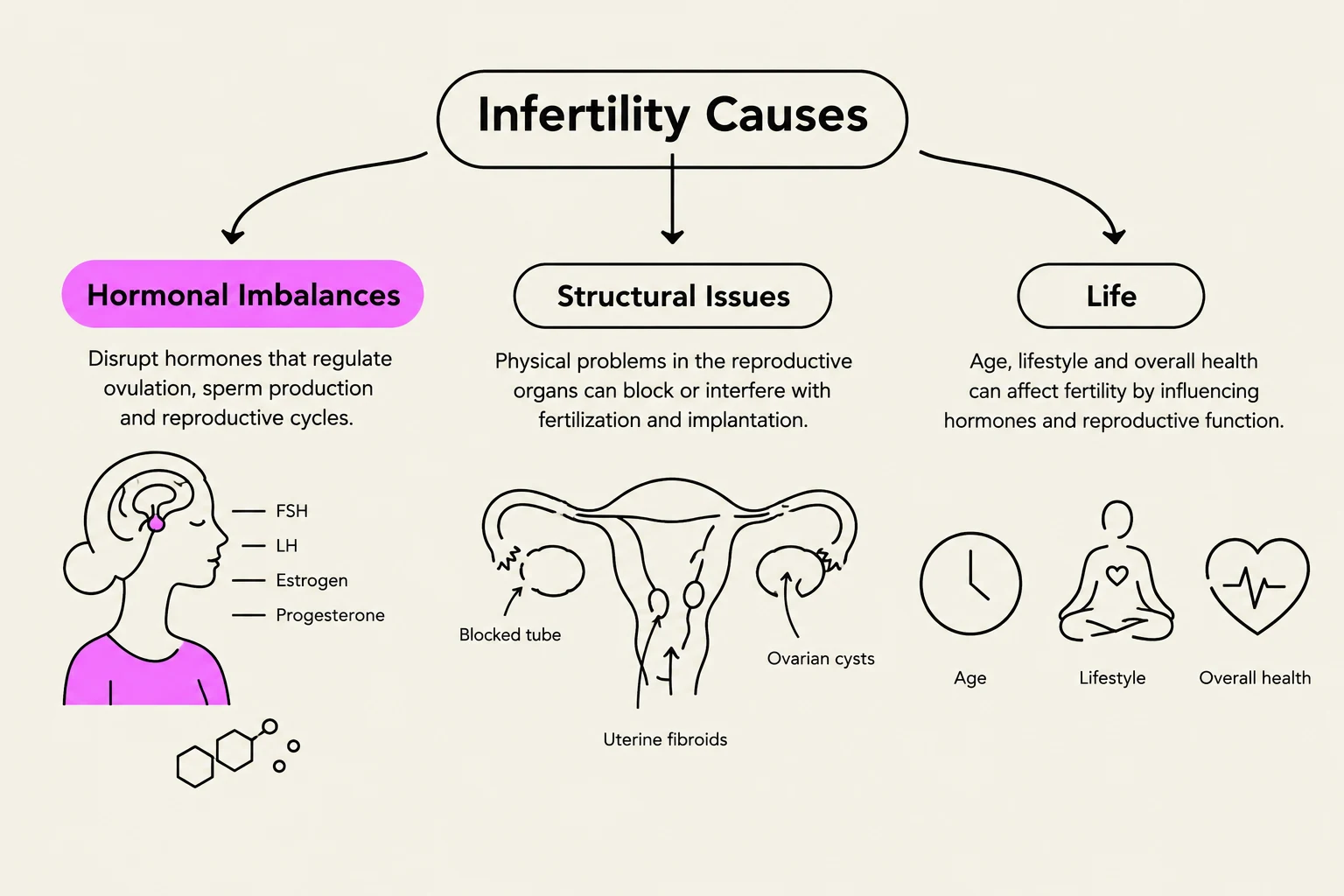
The primary drivers of infertility can be categorized into three main areas:
- Hormonal Imbalances: Disruptions in the endocrine system can interfere with the reproductive cycles necessary for conception.
- Structural Issues: Physical abnormalities or damage within the reproductive organs can prevent successful fertilization or implantation.
- Lifestyle Factors: Various external behaviors and environmental exposures can impact overall reproductive health and fertility.
Diagnostic Approaches
To develop an effective treatment plan, healthcare providers must first identify the underlying cause of infertility through targeted clinical assessments. Diagnosis is not limited to one partner; it involves evaluating the reproductive health of both individuals in a couple.
Common diagnostic tools include:
- Hormone Level Testing: Evaluating endocrine function to check for imbalances that might disrupt ovulation or sperm production.
- Ovulation Monitoring: Tracking reproductive cycles to ensure that eggs are being released at appropriate times.
- Semen Analysis: A critical test used to assess male reproductive health, specifically looking at sperm count, motility, and morphology.
Keep reading for free.
Create an account to finish this reading and make it part of your study routine.
Continue reading freeAlready have an account? Log in
Updated