


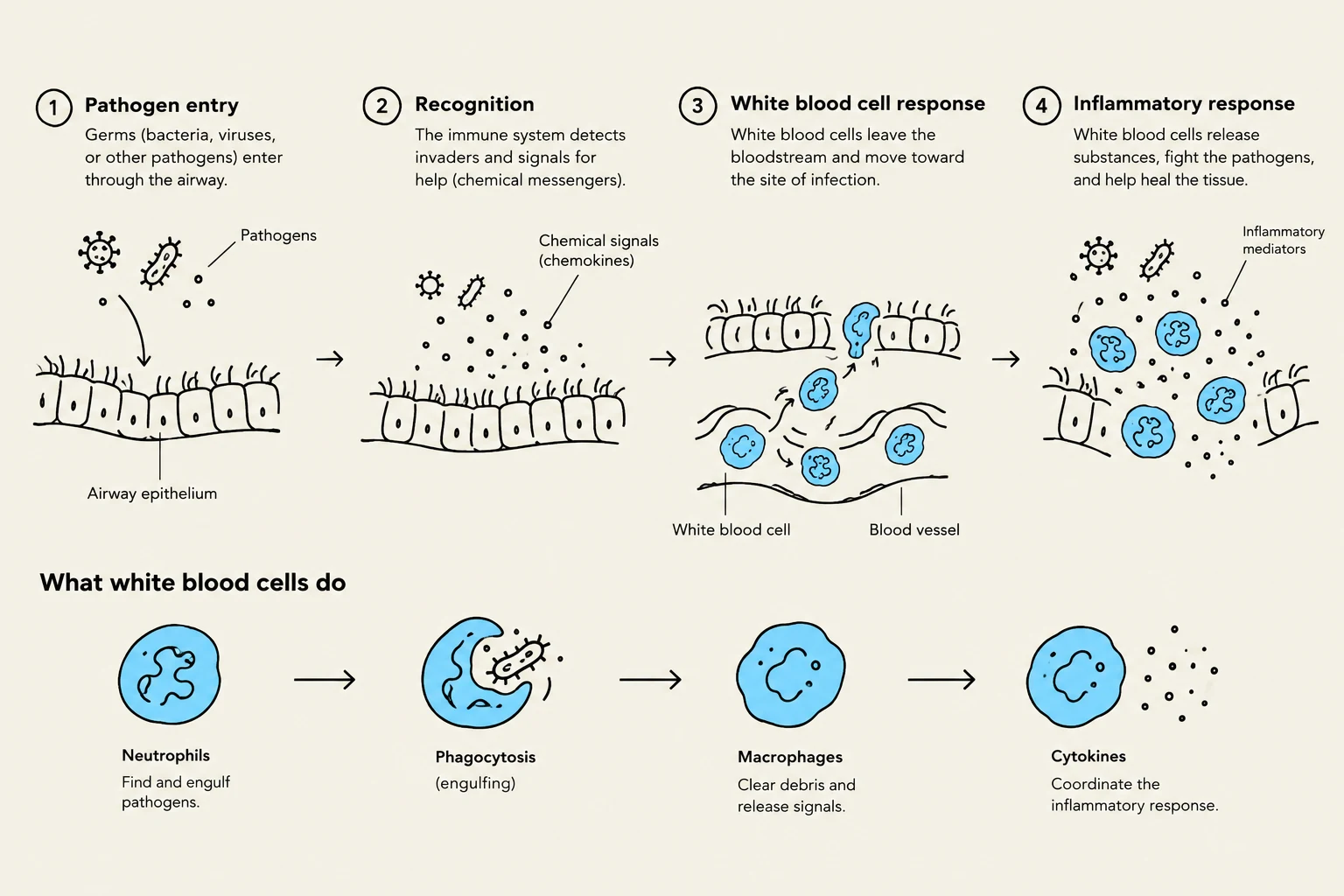
When the body encounters a foreign invader, such as a bacterium or a virus, it initiates a complex, highly coordinated defense mechanism known as the immune response. While this response is designed to protect us, it often results in inflammation—a physiological reaction characterized by redness, swelling, heat, and pain. In the context of respiratory health, this process can lead to the production of excess mucus, which threatens oxygenation and airway patency. Understanding how to manage these pathogens through pharmacological interventions and physical airway clearance is essential for maintaining respiratory stability.
The Pathophysiology of Infection and Inflammation
Infection occurs when a pathogen (a biological agent that causes disease) enters the body and begins to multiply. The immune system responds to this intrusion by triggering inflammation. Inflammation is not inherently "bad"; it is the body's way of delivering white blood cells, nutrients, and clotting factors to the site of injury or infection.
However, in the respiratory system, inflammation can be problematic. When the bronchial tubes or alveoli become inflamed, the mucosal lining often undergoes hypertrophy (enlargement) and hypersecretion. This results in an abundance of thick, tenacious mucus that can obstruct the airways, making it difficult for the patient to move air in and out of the lungs.
Student Tip: Do not confuse infection with inflammation. An infection is the presence of a pathogen (like a virus or bacteria), whereas inflammation is the body's response to that pathogen or to other insults like smoke or dust. You can have inflammation without an infection (e.g., asthma), but an infection almost always triggers an inflammatory response.

Keep reading for free.
Create an account to finish this reading and make it part of your study routine.
Continue reading freeAlready have an account? Log in
Updated