


Vaccination is one of the most powerful tools in modern medicine, serving as a biological preparation designed to improve immunity against specific diseases. By introducing an agent that mimics a pathogen—such as weakened or killed microbes, toxins, or surface proteins—vaccines train the immune system to recognize and fight the actual disease without causing the illness itself. From the eradication of smallpox to the modern management of respiratory viruses, understanding the mechanics of immunity is essential for public health.
The Concept of Herd Immunity
A primary goal of widespread vaccination is the achievement of herd immunity. This occurs when a significant portion of a population becomes immune to an infectious agent, thereby limiting the ability of the pathogen to spread.
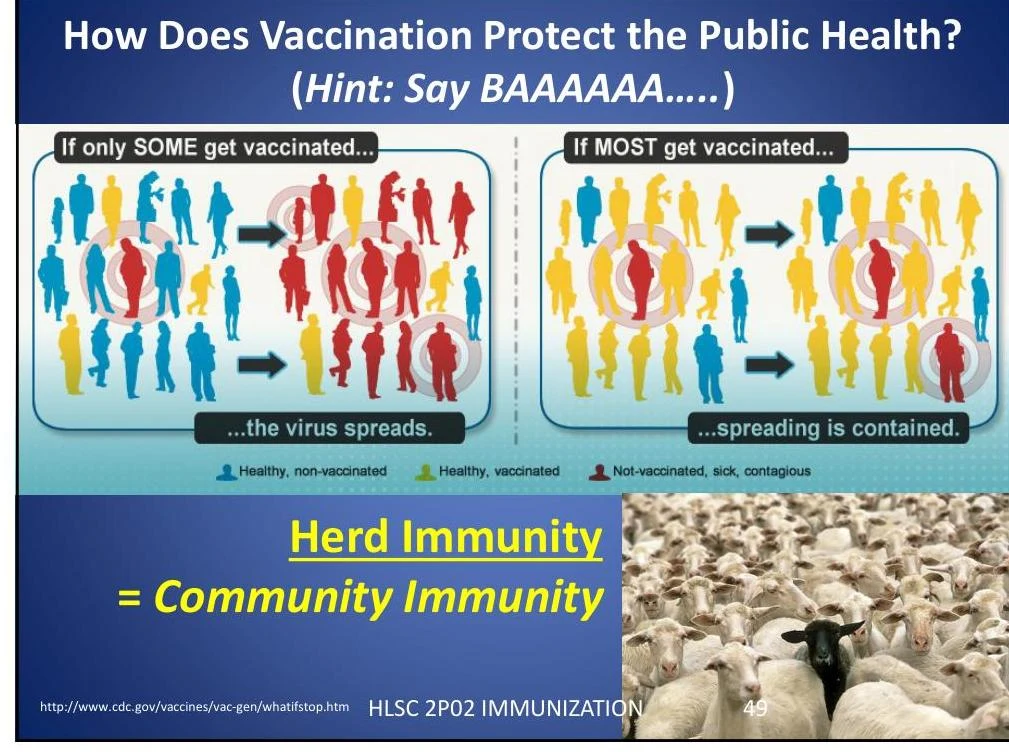
When a high percentage of the "herd" is protected, the chain of transmission is broken, which provides indirect protection to vulnerable individuals who cannot be vaccinated. The "threshold" refers to the specific proportion of the population that must be immunized to achieve this state of community-wide protection.
However, achieving herd immunity is not always straightforward. For example, with SARS-CoV-2, the virus was considered "novel," meaning the human population had no pre-existing immunity to build upon, making initial control significantly more difficult.
Exam Tip: Remember that herd immunity protects the unvaccinated by reducing the overall incidence of infection in the population, making it harder for the pathogen to find a susceptible host.
Keep reading for free.
Create an account to finish this reading and make it part of your study routine.
Continue reading freeAlready have an account? Log in
Updated