


Managing Type 2 diabetes requires a multifaceted approach that often moves beyond lifestyle modifications and metformin as disease progression occurs. One of the most significant advancements in diabetes pharmacology is the development of GLP-1 receptor agonists. These medications represent a class of drugs known as incretin mimetics, designed to restore the body's natural hormonal response to food intake.
Understanding Incretin Mimetics
To understand how GLP-1 receptor agonists work, one must first understand the "incretin effect." In a healthy physiological state, the gastrointestinal (GI) tract releases natural hormones called incretins—specifically Glucagon-Like Peptide-1 (GLP-1) and Glucose-dependent Insulinotropic Polypeptide (GIP)—in response to food. These hormones play a vital role in signaling the pancreas to prepare for incoming glucose.
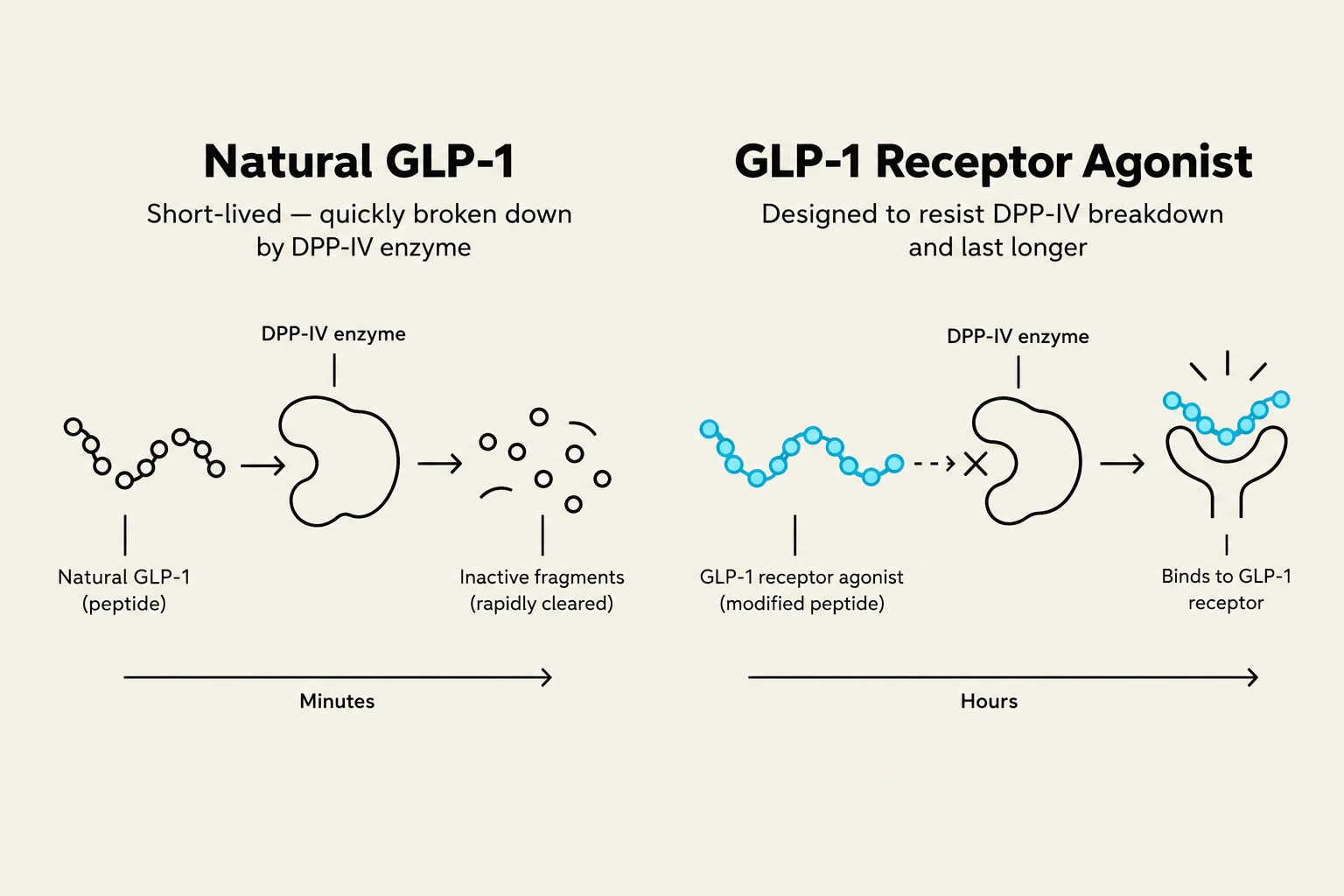
However, in many patients with Type 2 diabetes, this natural incretin response is diminished or the hormones are rapidly deactivated by the enzyme DPP-IV. GLP-1 receptor agonists are engineered to mimic these naturally produced hormones, providing a more sustained and potent signal to the metabolic system.
Mechanism of Action
GLP-1 receptor agonists exert their therapeutic effects through several distinct pathways that target glucose homeostasis and appetite regulation:
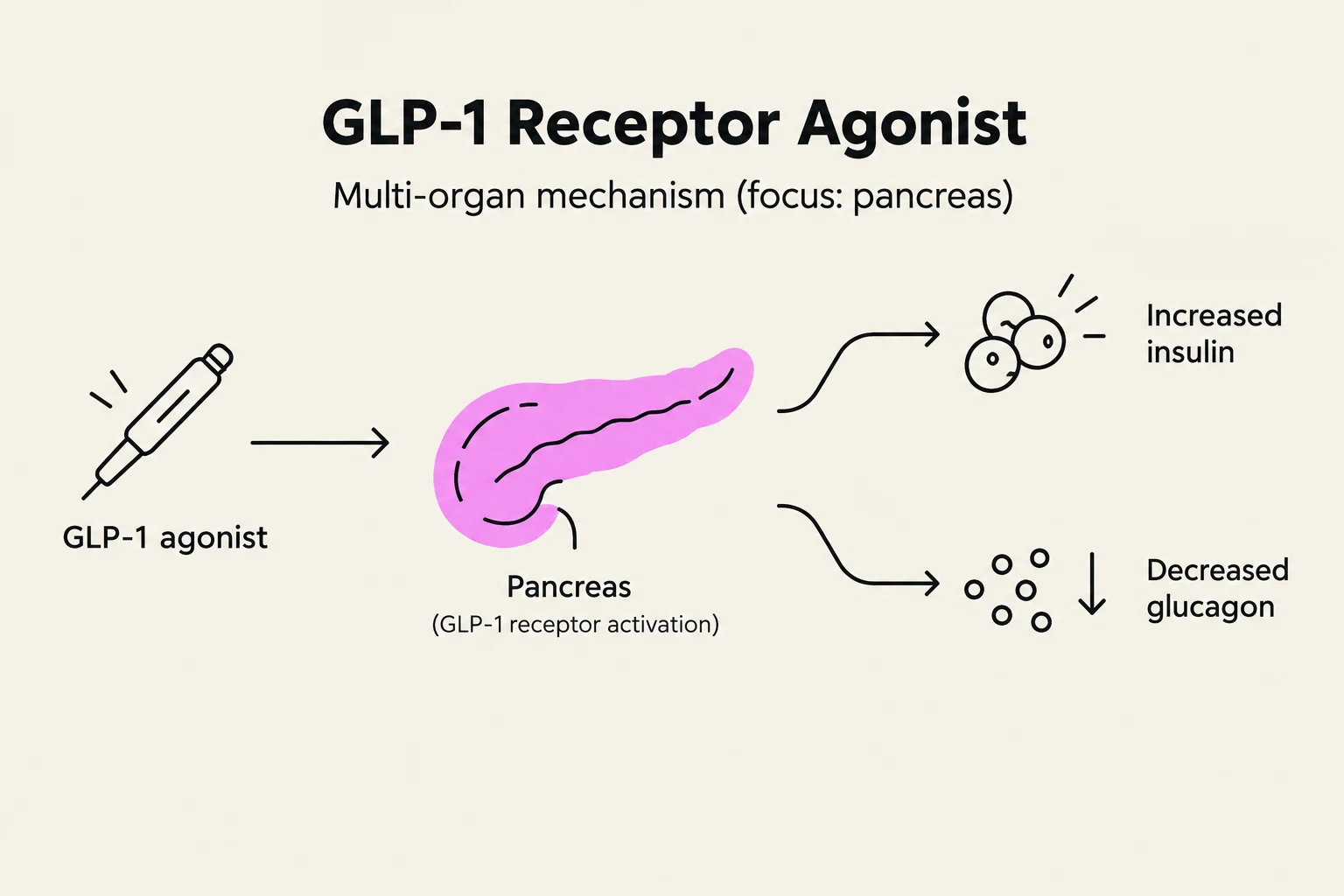
- Glucose-Dependent Insulin Secretion: They enhance the secretion of insulin from pancreatic beta cells, but critically, this effect is "glucose-dependent." This means insulin is released more significantly when blood glucose levels are high, which helps minimize the risk of insulin levels dropping too low when glucose is already stable.
- Glucagon Secretion Suppression: They suppress the secretion of glucagon from pancreatic alpha cells. Since glucagon tells the liver to release stored glucose, suppressing it helps prevent unnecessary spikes in blood sugar.
- Gastric Emptying: These agents slow the rate at which the stomach empties its contents into the small intestine. This delay results in a more gradual absorption of nutrients, preventing sharp postprandial (after-meal) glucose spikes.
- Satiety Enhancement: By acting on the central nervous system, these medications increase the feeling of fullness, or satiety.
Keep reading for free.
Create an account to finish this reading and make it part of your study routine.
Continue reading freeAlready have an account? Log in
Updated