


Endometriosis is a complex, chronic condition that affects approximately 10% to 15% of reproductive-age women, translating to roughly 6 million individuals worldwide. While the condition is characterized by the presence of endometrial-like tissue growing outside the uterus—a phenomenon known as ectopic growth—its implications extend far beyond simple discomfort. For many, the condition serves as a significant barrier to conception, creating a direct link between pelvic pathology and infertility.
The Pathophysiology of Endometriosis
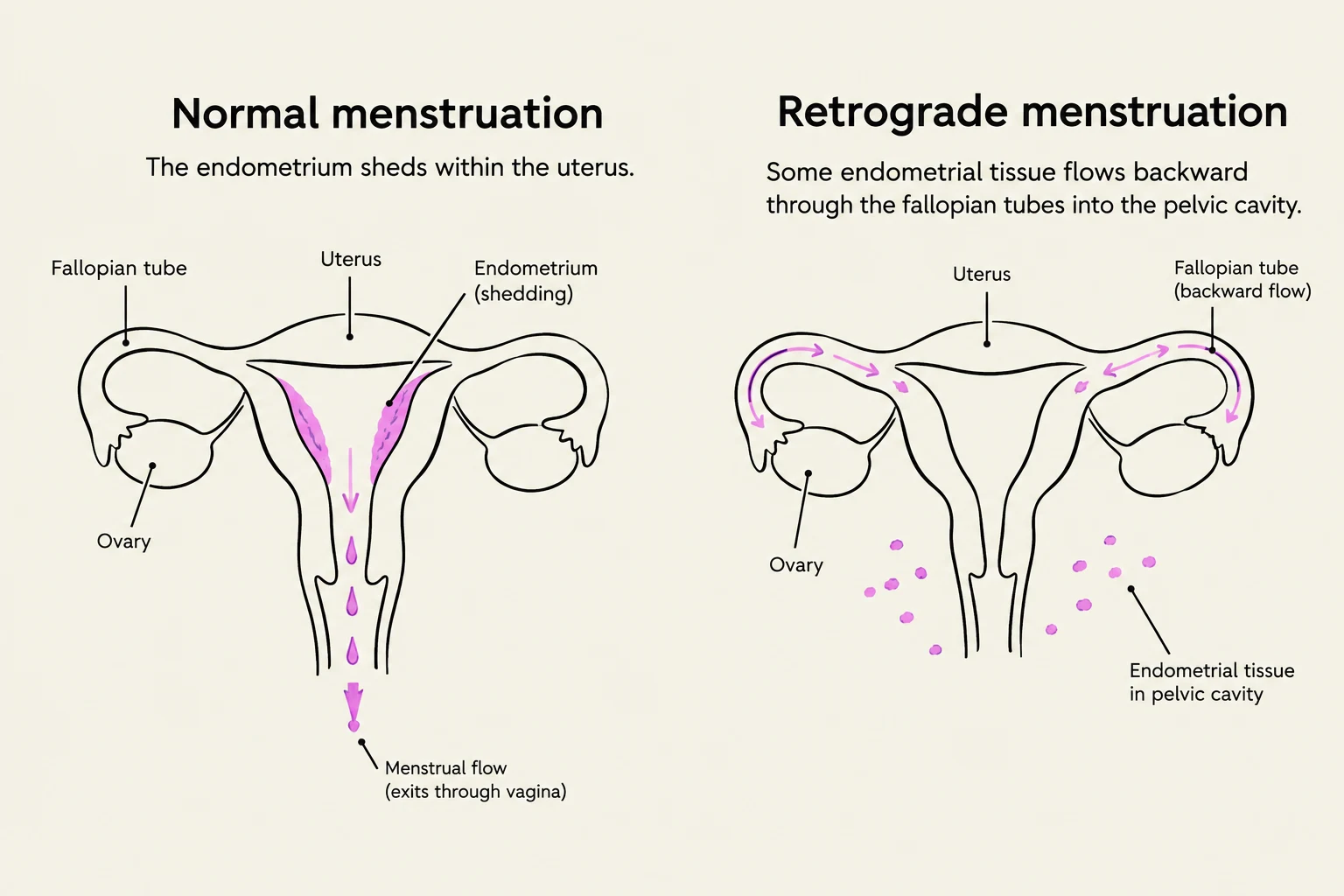
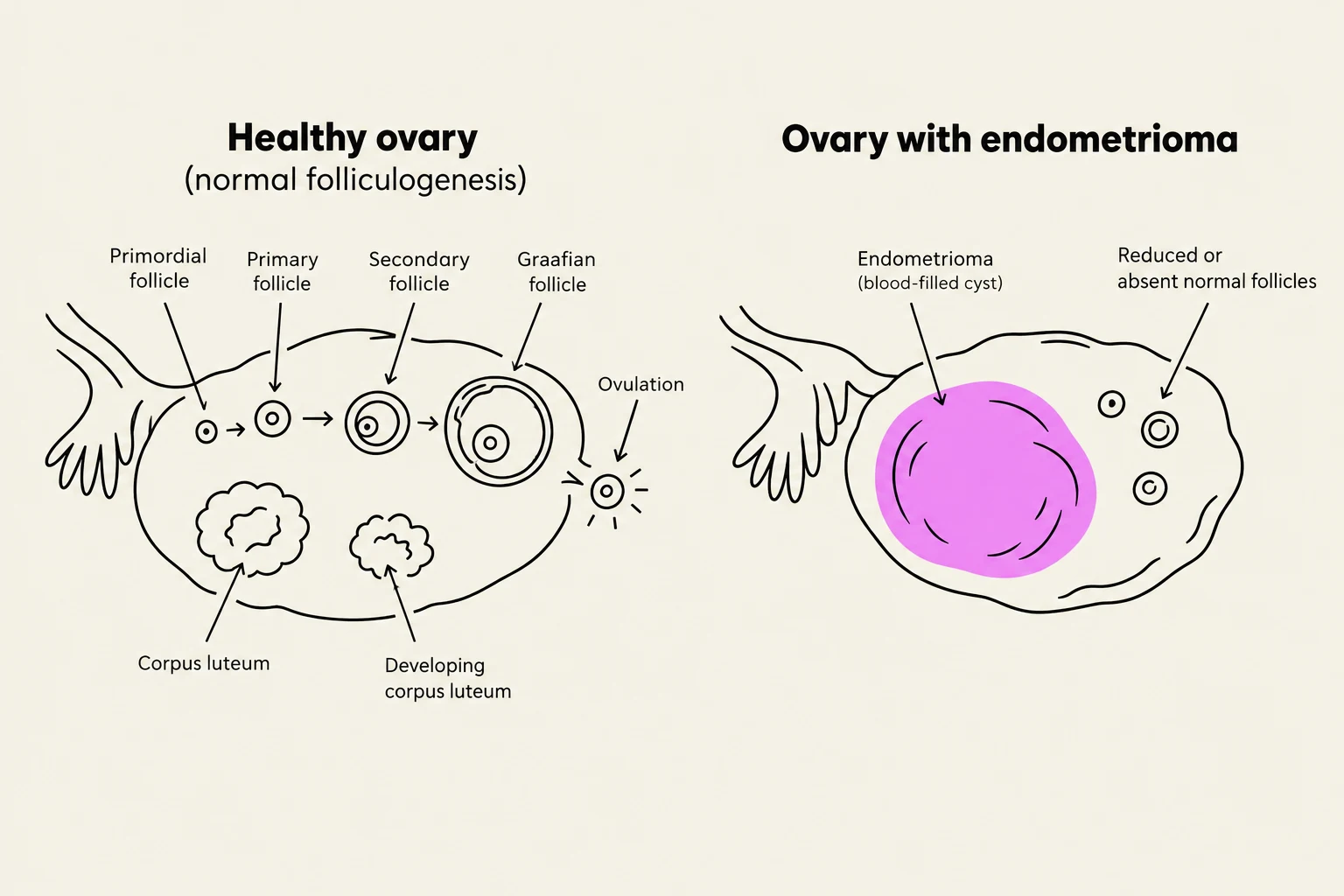
In a healthy reproductive cycle, the endometrium (the innermost layer of the uterus) thickens in response to estrogen and progesterone to prepare for potential embryo implantation. If pregnancy does not occur, this layer sheds during menstruation. In patients with endometriosis, tissue resembling this lining grows in locations such as the ovaries and the pelvic cavity.
The exact cause of endometriosis is believed to be multifactorial, involving several biological mechanisms:
- Retrograde Menstruation: This theory suggests that menstrual blood flows backward through the fallopian tubes into the pelvic cavity, depositing endometrial cells in ectopic locations.
- Immune System Dysfunction: A healthy immune response should recognize and destroy endometrial tissue that is not inside the uterus. In endometriosis, an impaired immune response may fail to clear these misplaced cells.
- Genetic Factors: A family history of the condition suggests a genetic predisposition, potentially linked to specific gene mutations.
- Hormonal Influences: Because estrogen promotes the growth of endometrial tissue, higher levels of estrogen may enhance the survival and proliferation of these ectopic cells.
Keep reading for free.
Create an account to finish this reading and make it part of your study routine.
Continue reading freeAlready have an account? Log in
Updated