


In the field of Human Resources, designing a compensation structure is a delicate balancing act between two competing forces: internal equity and external competitiveness. An effective total rewards strategy ensures that an organization has the right people in the right jobs, motivated and engaged to contribute to the company's success. To achieve this, organizations must move beyond simple hourly wages and develop structured pay grades and ranges that reflect both the value of a job to the company and its value in the broader labor market.
Determining Job Value: Internal vs. External
Before a single dollar is assigned to a role, HR professionals must conduct a job analysis to establish the "worth" of a position. This involves evaluating two distinct types of value:
- Internal Value: This measures how critical a specific role is to the organization's future success and the "pain" the company would endure if that person left.
- External Value: This measures how valuable a person would be to other companies and how likely they are to be approached with competing offers.
By mapping these two dimensions, organizations can categorize employees into tiers. For example, a "High Internal/High External" employee might be compensated at 100% of the market 75th percentile, whereas a "Low Internal/Low External" employee might only receive 80% of the market median.
Building the Pay Structure
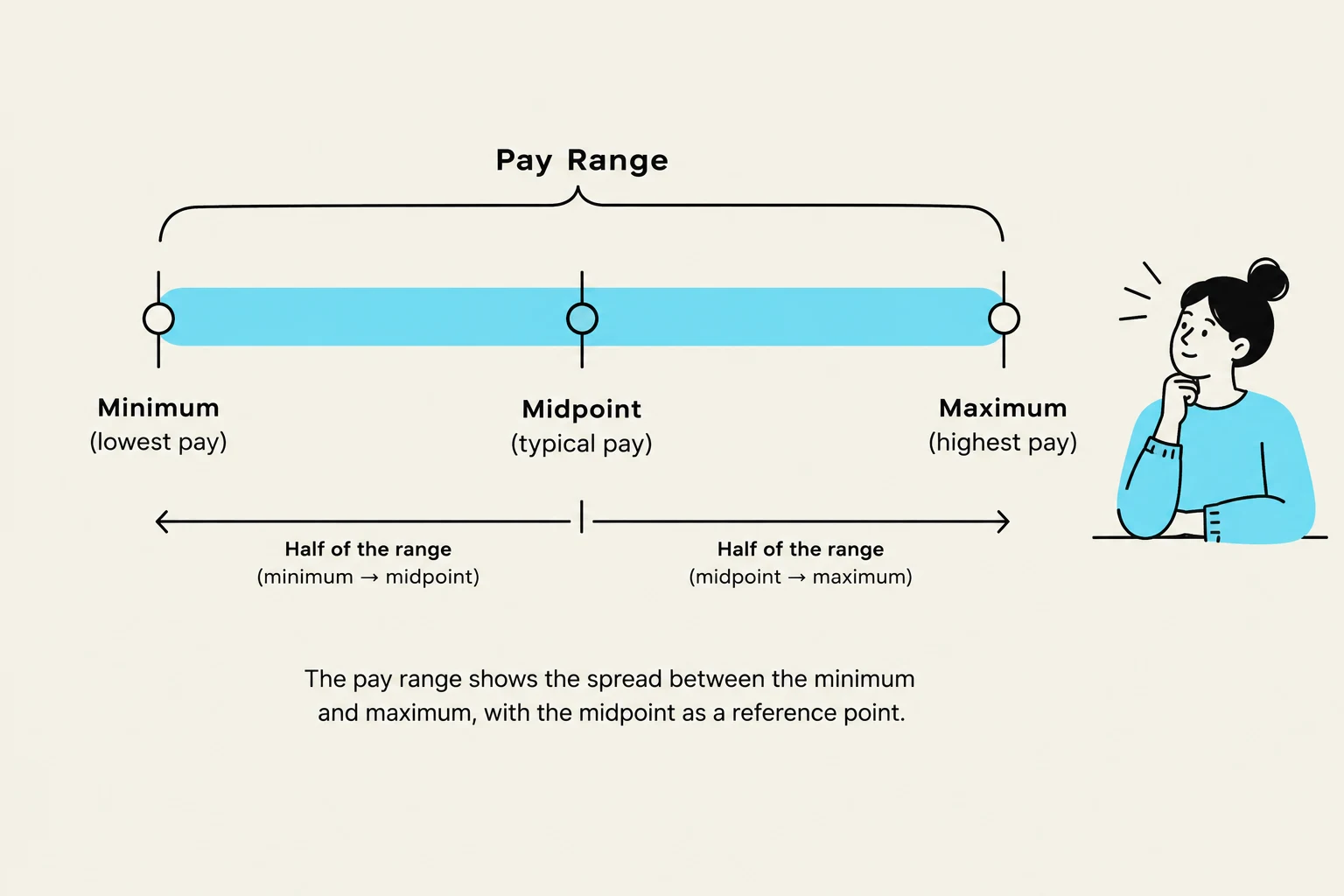
Once jobs are evaluated, they are grouped into pay grades. Large companies often use "job families" (such as Executive, Technical, or Clerical) to organize these grades. Some organizations utilize "broadbanding," a method that consolidates many narrow pay grades into fewer, wider bands to flatten hierarchies and allow for more flexibility in pay decisions.
Keep reading for free.
Create an account to finish this reading and make it part of your study routine.
Continue reading freeAlready have an account? Log in
Updated