Understanding Diabetes and Carbohydrate Metabolism
This content explains the role of carbohydrates in the body, the regulation of blood glucose by insulin and glucagon, the different types of diabetes, and the health implications of carbohydrate consumption, including dental health, heart disease, and bowel health. It also provides guidance on choosing healthy carbohyd
Carbohydrates are the fundamental energy source for the human body, serving as the basis for most modern diets. However, not all carbohydrates are created equal. The way we consume them—whether through whole, unrefined grains or through refined sugars—has profound implications for our metabolic health, specifically regarding the regulation of blood glucose and the prevention of chronic diseases like diabetes.
Understanding Diabetes and Blood Glucose Regulation
At the center of carbohydrate metabolism is glucose, often referred to as "blood sugar". To maintain health, the body must keep blood glucose levels within a narrow, functional range. This regulation is managed by the pancreas through two key hormones: insulin and glucagon.
Insulin: Secreted by the pancreas when blood glucose levels rise (such as after eating), insulin allows cells to take up glucose for energy.
Glucagon: Secreted when blood glucose levels decline, signaling the liver to release stored glucose back into the bloodstream.
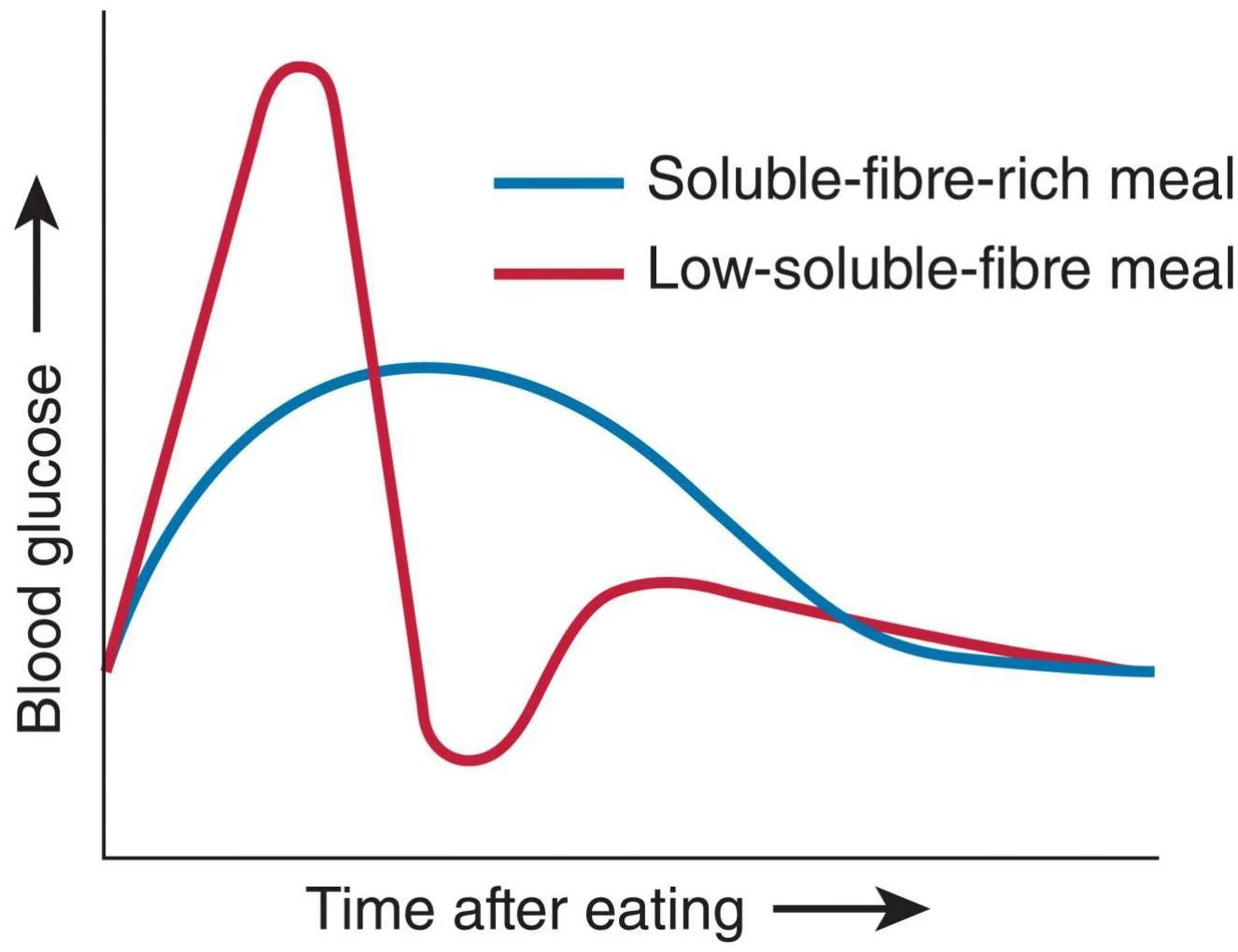
The "glycemic response" refers to how quickly and how high your blood glucose rises after consuming carbohydrates. For example, consuming meals rich in soluble fibre can slow down glucose absorption, resulting in a more gradual rise in blood sugar compared to low-fibre meals.
This graph illustrates the difference in blood glucose levels after consuming a soluble-fibre-rich meal versus a low-soluble-fibre meal.
Types of Diabetes
Diabetes mellitus is a disease characterized by elevated blood glucose levels due to insufficient insulin production or decreased cellular sensitivity to insulin. There are three primary types:
Type I Diabetes: An autoimmune disease where the body's immune system destroys insulin-secreting cells, meaning the body produces little to no insulin.
Type 2 Diabetes: The most common form, accounting for approximately 90% of cases. In this type, cells show decreased sensitivity to insulin, and insulin production eventually decreases.
Gestational Diabetes: This occurs in women during pregnancy and increases the risk of developing diabetes later in life.
Exam Tip: Distinguish between the causes of Type 1 and Type 2. Type 1 is an autoimmune destruction of cells (no insulin), while Type 2 is primarily related to insulin resistance (decreased sensitivity).
Symptoms and Complications
When blood glucose is not properly managed, individuals may experience immediate symptoms such as excessive thirst, frequent urination, blurred vision, and unexplained weight loss.
Over the long term, chronic hyperglycemia (high blood sugar) can cause devastating damage to the body. Common complications include:
Damage to the heart and blood vessels (increasing risk of heart disease and stroke).
Kidney failure (renal failure).
Blindness.
Nervous system damage and non-traumatic lower limb amputations.
Management and Treatment
The primary goal of diabetes treatment is to maintain blood glucose levels within a normal range. Management typically involves a combination of:
Diet: Choosing whole grains and avoiding simple sugars.
Medication: This may include oral medications or insulin injections.
Diabetes Canada provides tools like "Just the Basics," which recommends using a divided plate to ensure proper portions, choosing whole grains, and eating meals at consistent times each day.
The Carbohydrate Connection: Health Implications
The quality of carbohydrates consumed plays a significant role in various health outcomes, from dental health to cardiovascular stability.
Dental Caries (Tooth Decay)
Carbohydrates are directly linked to the development of dental caries. Bacteria living in the mouth form colonies known as plaque. When these bacteria metabolize carbohydrates, they produce acid, which dissolves tooth enamel and damages the underlying structures of the teeth and gums.
Heart Disease and Weight Management
The relationship between carbohydrates and heart disease is often tied to the type of carbohydrate consumed. Diets high in sugar or refined carbohydrates can raise blood lipid levels, increasing the risk of heart disease. Conversely, diets high in whole grains have been shown to reduce this risk.
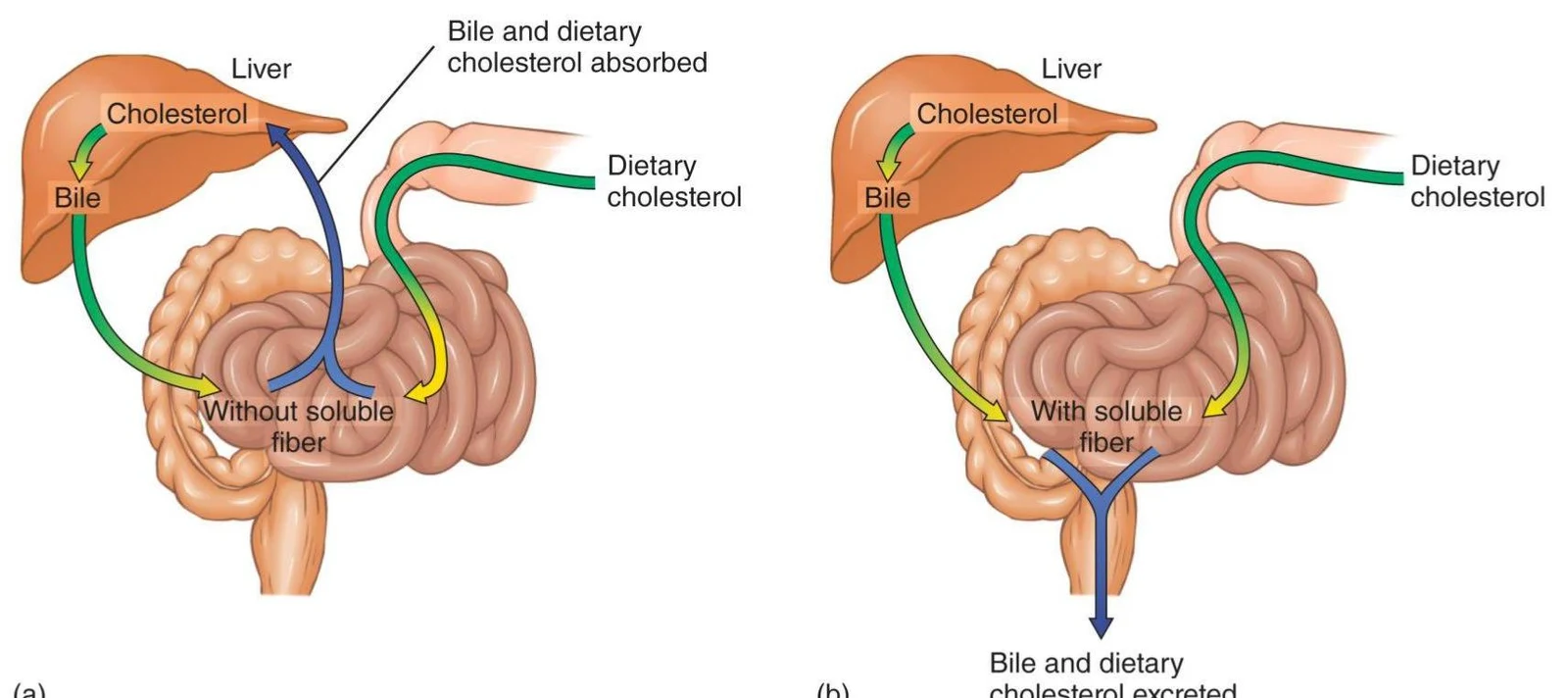
Soluble fibre is particularly beneficial for heart health because it can help lower blood cholesterol levels by interfering with cholesterol absorption in the intestines.
Diagrams illustrating the absorption and excretion of bile and dietary cholesterol, with and without soluble fiber.
Regarding weight, some evidence suggests that low-carbohydrate diets may aid weight loss because they stimulate less insulin release. Since insulin promotes fat storage, lower levels can shift the body toward producing ketones, which may help suppress appetite.
Bowel Health
Indigestible carbohydrates, specifically dietary fibre, are essential for gastrointestinal health. High-fibre diets can help prevent or relieve several bowel disorders, including:
Constipation
Hemorrhoids
Diverticulosis and Diverticulitis.
Furthermore, epidemiological studies suggest that populations with high fibre intake have a lower incidence of colon cancer.
To optimize health, it is important to distinguish between unrefined (whole) carbohydrates and refined carbohydrates. Refined grains have had their vitamins, minerals, and fibre removed during processing.
Comparison of Nutrients
As seen in the table below, unrefined grains generally provide significantly more fibre and essential minerals like magnesium than their refined counterparts.
Nutrient (per 100g)
Brown Rice (Unrefined)
White Rice (Refined)
Whole Wheat Flour
White Flour
Carbohydrate (g)
23
28.2
68.5
71.4
Fibre (g)
1.5
0.4
8.9
2.7
Magnesium (mg)
43
12
116
29
Calculating Carbohydrate Intake
For students of nutrition, it is essential to know how to calculate the percentage of energy (kcalories) coming from carbohydrates. Carbohydrates provide 4 kcalories per gram.
Worked Example:
If a diet contains 2,500 kcalories and 350 g of carbohydrate, how much of the total energy comes from carbohydrates?
Calculate the percentage:Total kcalorieskcalories of carbohydrate×1002,5001,400×100=56%
Summary Recommendation: Aim for an Acceptable Macronutrient Distribution Range (AMDR) of 45% to 65% of total energy from carbohydrates, focusing on unrefined sources.
Keep reading for free.
Create an account to finish this reading and make it part of your study routine.