


Psychoactive drugs are chemicals that change our perceptions and moods by interacting with the brain's biological processes. These substances work at the brain's synapses, where they can stimulate, inhibit, or mimic the activity of neurotransmitters—the brain's natural chemical messengers. Among the three major categories of psychoactive drugs (stimulants, hallucinogens, and depressants), depressants are unique because of their ability to calm neural activity and slow down essential body functions.
Understanding Depressants
Depressants are characterized by their ability to decrease the rate of neural firing. By inhibiting neurotransmission, these drugs reduce the intensity of communication between neurons, leading to a general slowing of the central nervous system. This reduction in activity often manifests as relaxation, sedation, or a decrease in physical and mental alertness.
Common examples of depressants include alcohol and barbiturates. While they may provide temporary relief from stress or anxiety, they carry significant risks of dependence and physiological damage.

Exam Tip: Remember that "depressant" does not mean "making someone feel depressed" in a clinical sense; rather, it refers to the physiological effect of depressing (slowing down) the nervous system.
Alcohol: Effects on the Body and Mind
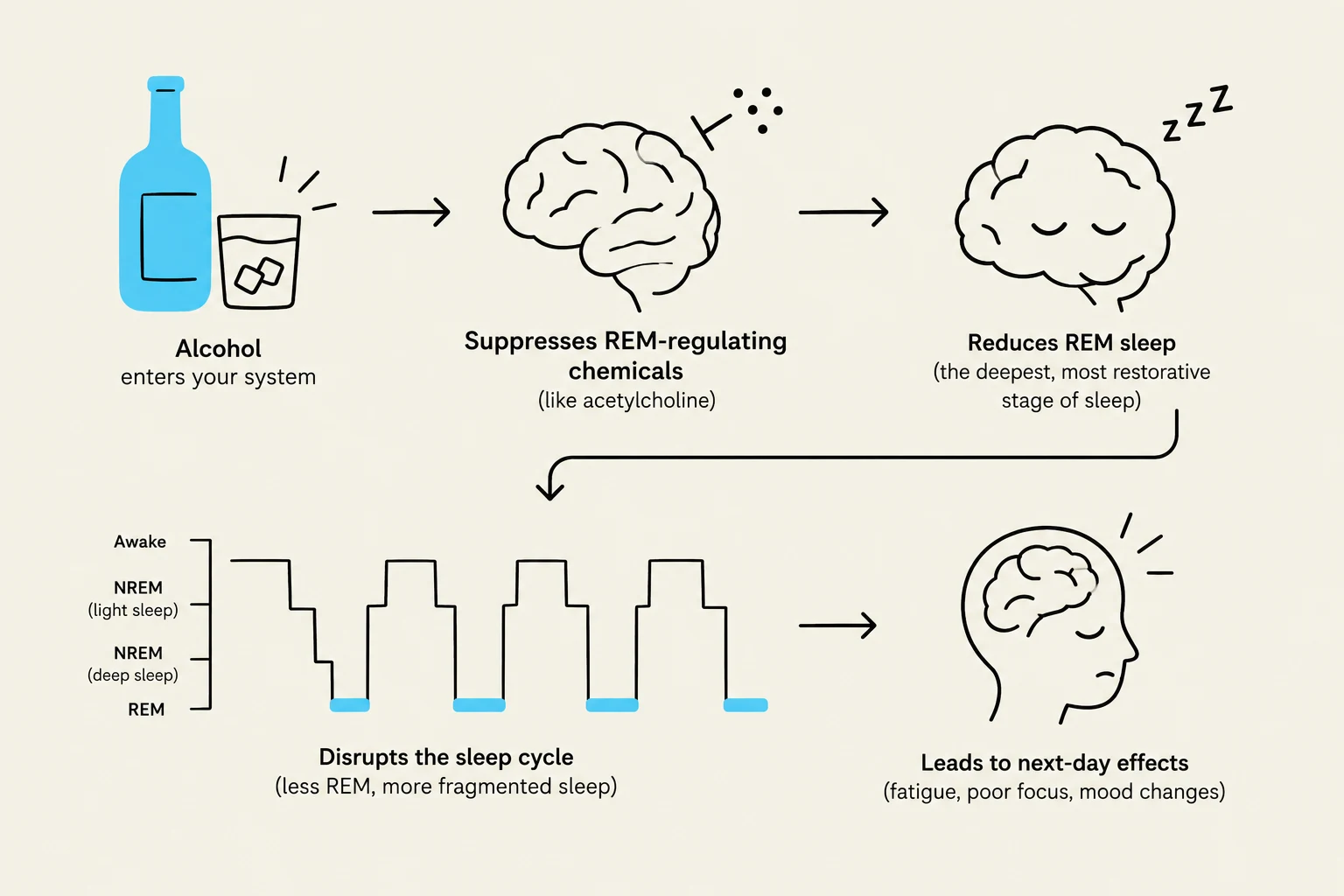
Alcohol is one of the most widely used depressants. Its effects vary significantly depending on the dosage consumed.
Keep reading for free.
Create an account to finish this reading and make it part of your study routine.
Continue reading freeAlready have an account? Log in
Updated