


In the study of organic chemistry, understanding the three-dimensional shape of molecules is essential for predicting how they will react and behave. One of the most fundamental skills is performing a conformational analysis of substituted cycloalkanes, particularly cyclohexane. This article serves as a study guide based on the Practice Exam 2A Answer Key, focusing on how the placement of substituents affects the overall stability of a molecule.
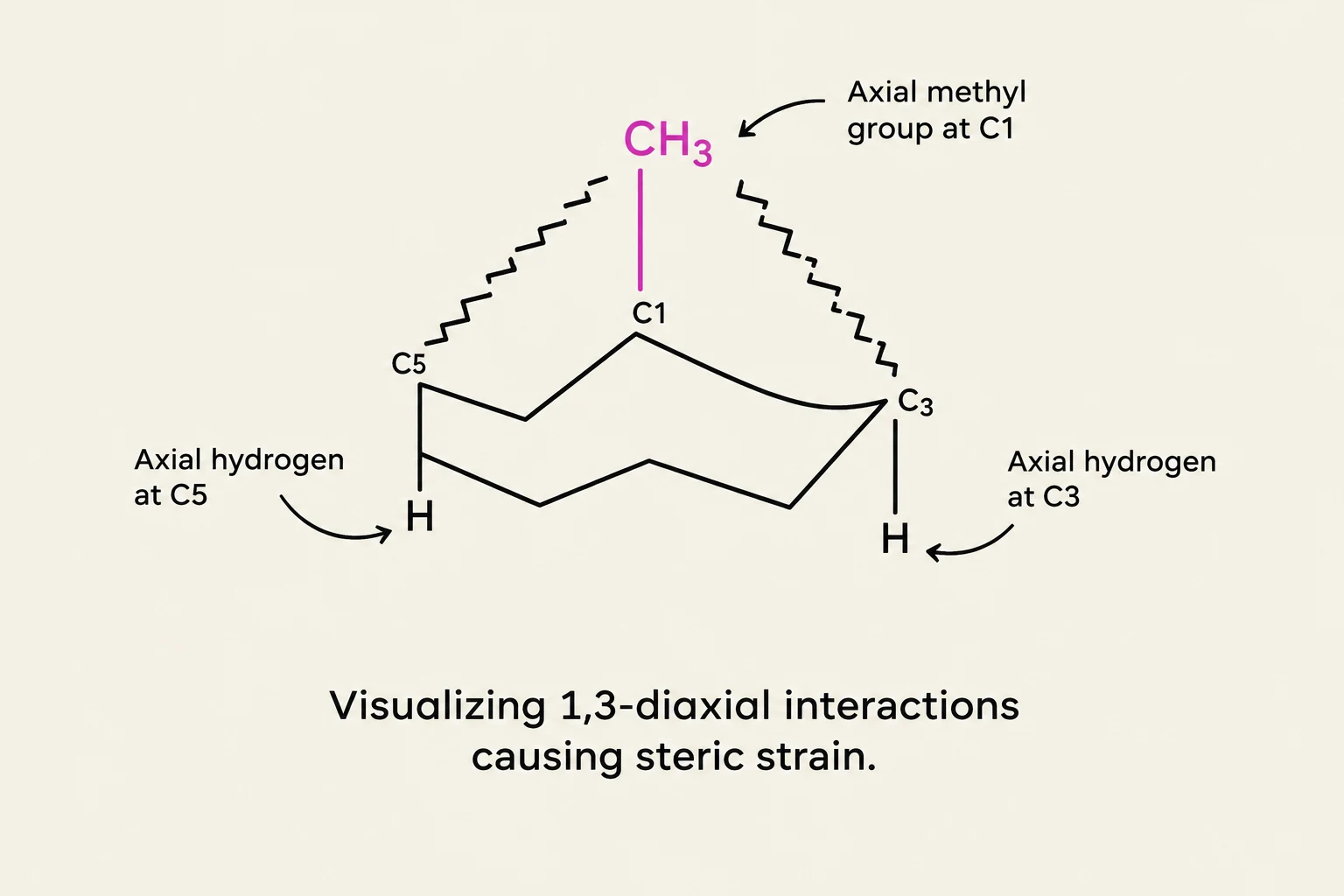
By mastering the concepts of axial versus equatorial positions and the steric strain caused by 1,3-diaxial interactions, students can accurately identify the most stable conformation of any given substituted ring.
The Geometry of Cyclohexane: Axial vs. Equatorial
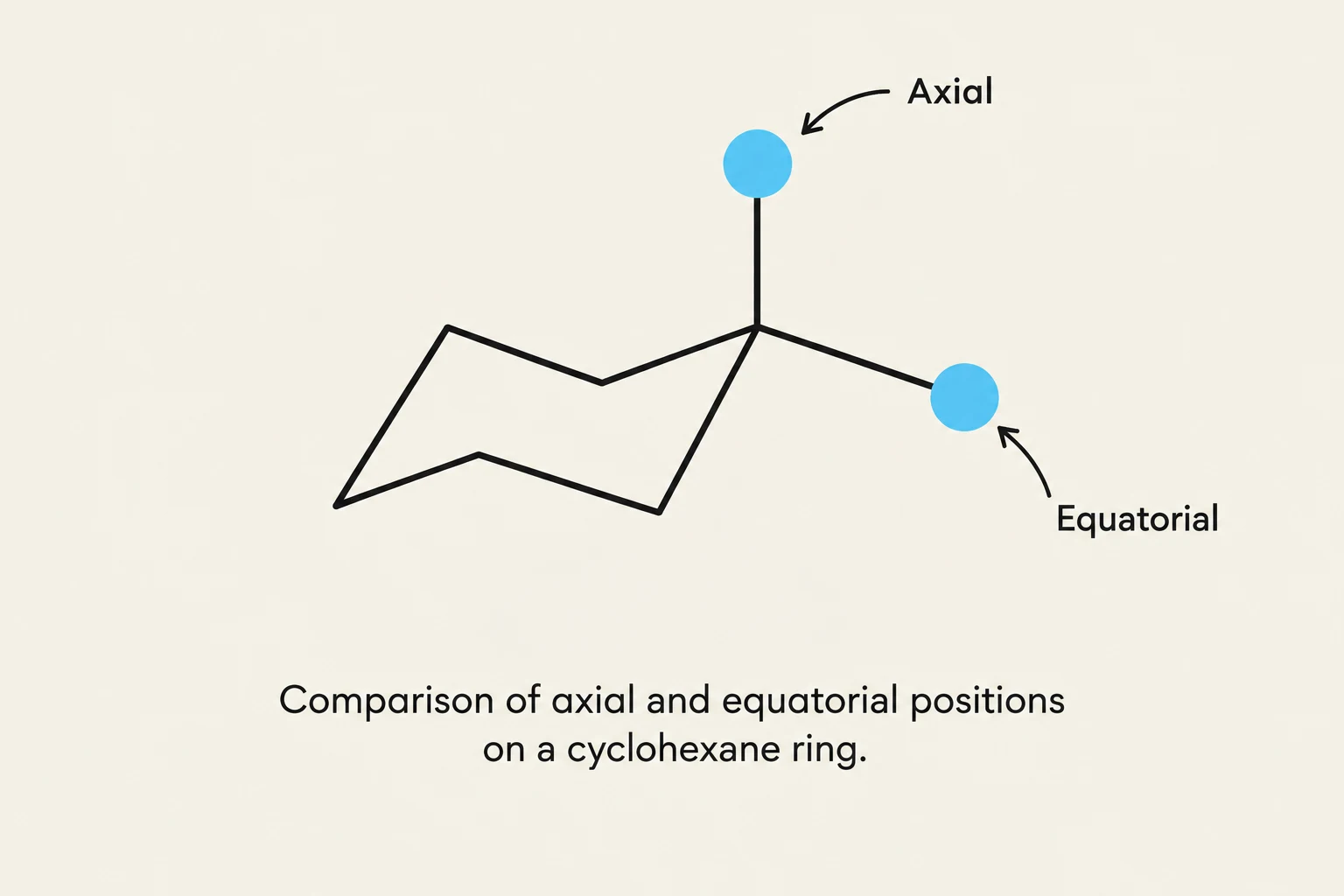
- Axial Positions: These substituents point vertically, either straight up or straight down, relative to the average plane of the ring.
- Equatorial Positions: These substituents point outward around the "equator" or the perimeter of the ring.
The primary driver of molecular stability in these systems is the minimization of steric strain. Steric strain occurs when atoms are forced too close to one another, causing electron clouds to repel. In cyclohexane, the equatorial position is almost always preferred for substituents because it places the group away from the crowded vertical axis of the ring, providing more "breathing room" for the atom.
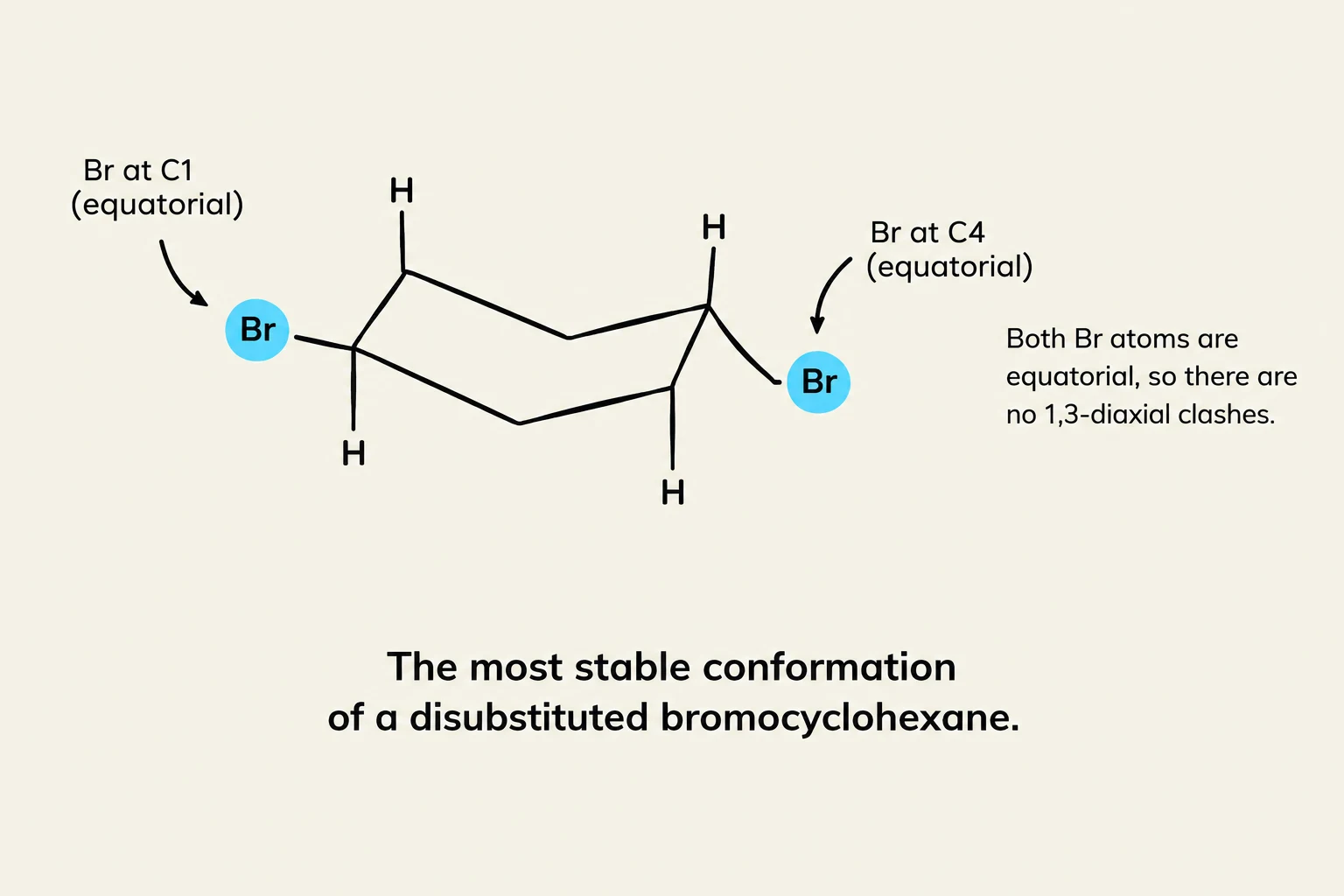
Exam Tip: When asked to identify the "most stable" conformation, your first instinct should always be to look for the arrangement that places the maximum number of substituents in the equatorial orientation.
Keep reading for free.
Create an account to finish this reading and make it part of your study routine.
Continue reading freeAlready have an account? Log in
Updated