


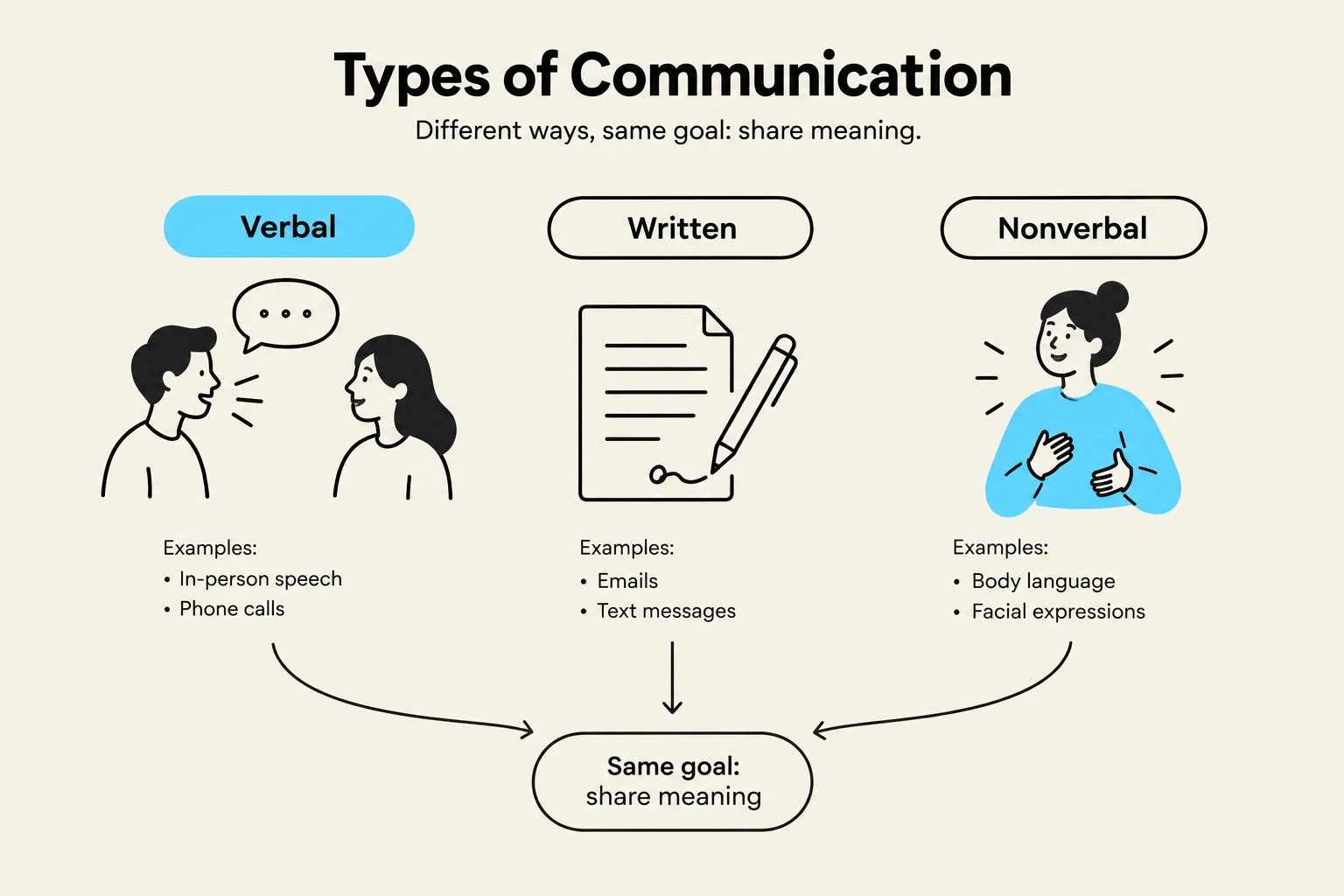
In the modern professional landscape, communication is much more than just talking; it is a vital skill that builds credibility, facilitates professionalism, and enhances your technical expertise. Whether you are navigating the digital age or engaging in face-to-face meetings, understanding how information moves from one person to another is essential for career success. This article explores the mechanics of how we exchange ideas, the models that explain these exchanges, and the various channels we use to connect.
The Osgood-Schramm Model of Communication
To understand how communication works, we must look at the structural way information travels. The Osgood-Schramm Model of Communications provides a framework to explain how a message leaves a sender, the pathways it takes, and how a receiver interprets that information. Unlike simpler linear models, this approach emphasizes that communication is a continuous, circular process where both parties act as both senders and receivers.
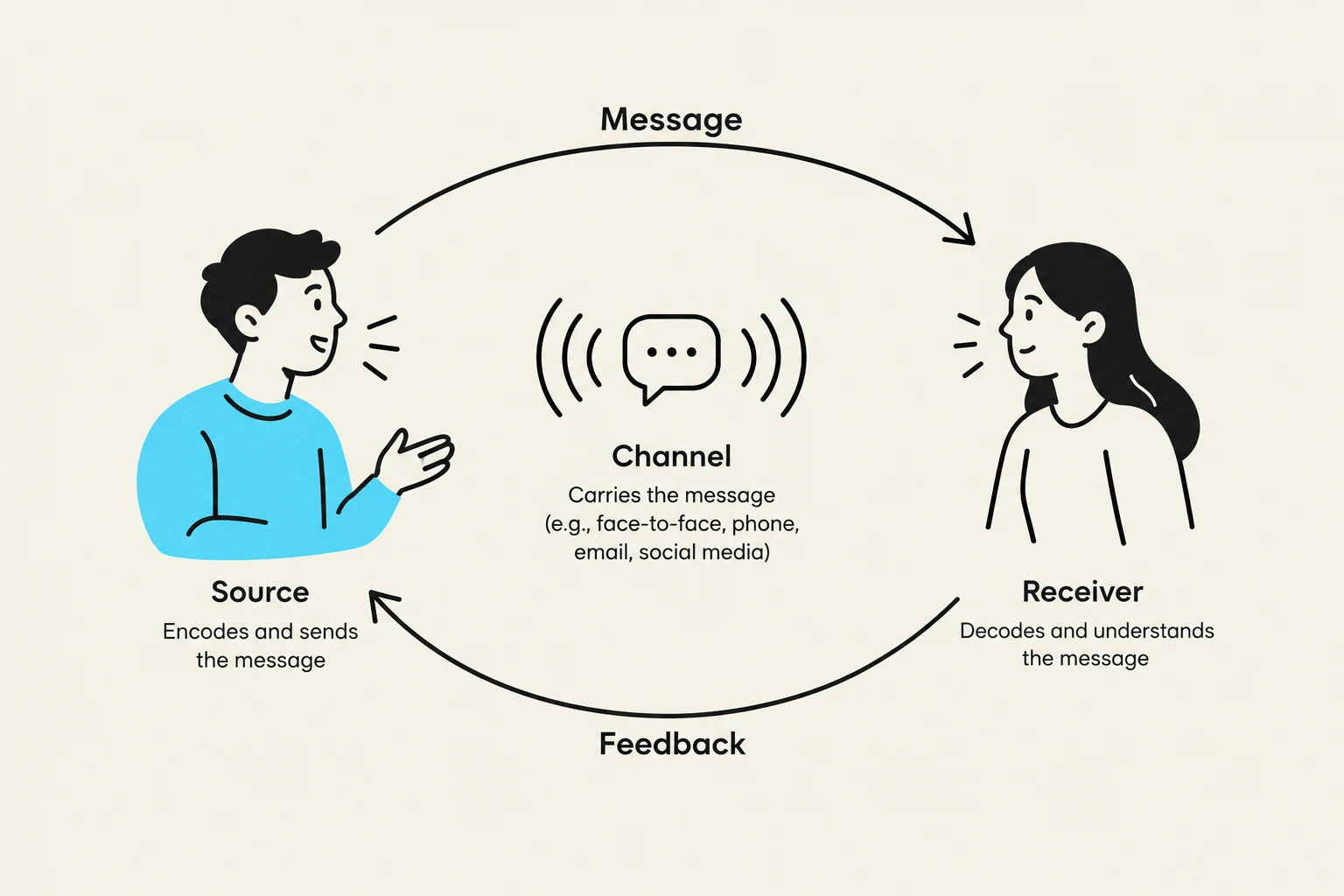
In this model, the process is not a one-way street. It involves a constant exchange of meaning, ensuring that the message sent is actually the message understood.
The Communication Process: Key Components
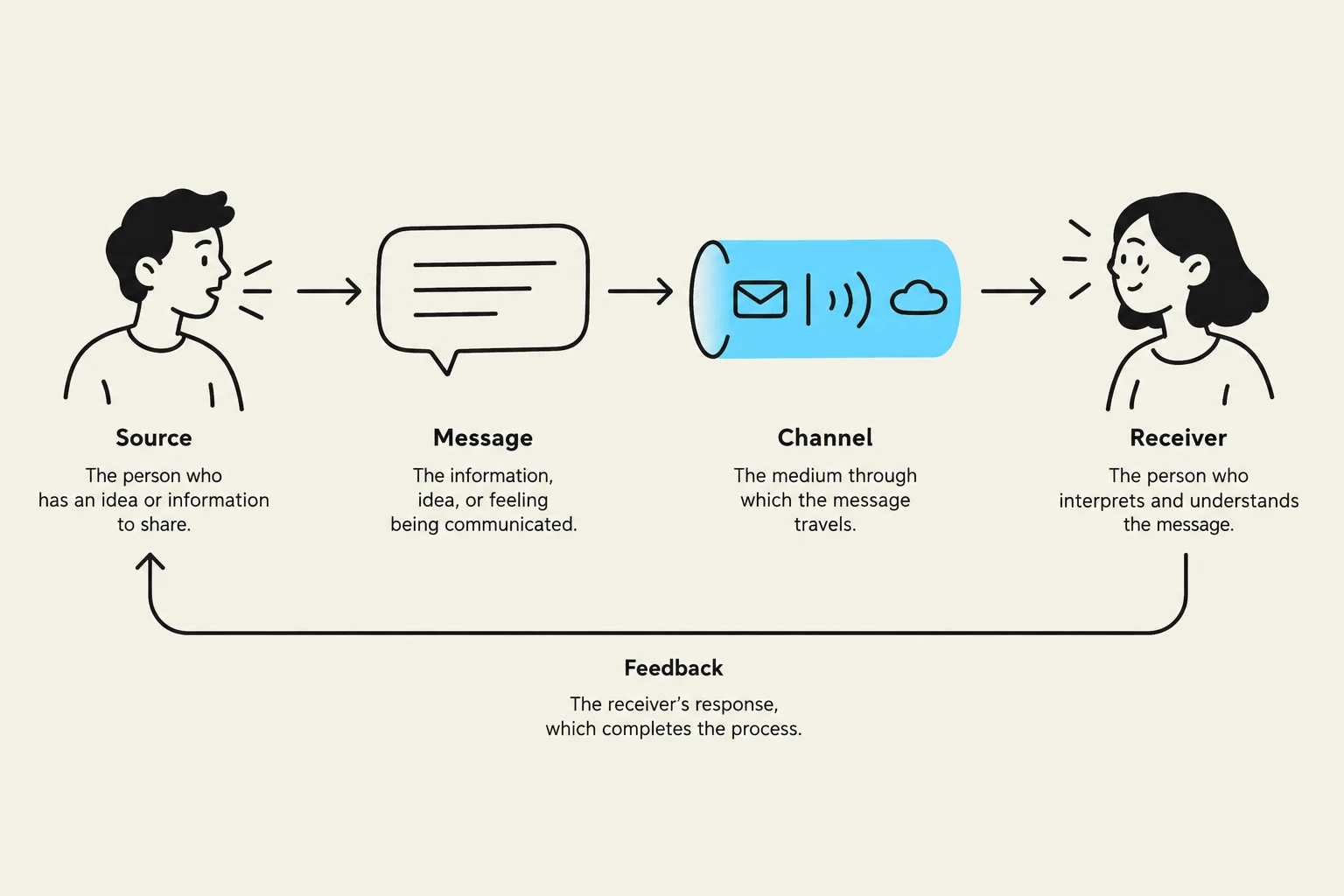
The communication process is composed of several moving parts that must work in harmony to ensure effectiveness. If any of these components are disrupted, the quality of the communication suffers.
The Core Elements
The process begins with the Source, who creates and sends the message. The Message is the actual information or meaning produced by that source. To get this message from the source to the Receiver, a Channel must be utilized—this is the method of transmission, such as a phone call or an email. Once the receiver gets the message, they interpret it, and then provide Feedback, which consists of the responses to the original message.
Keep reading for free.
Create an account to finish this reading and make it part of your study routine.
Continue reading freeAlready have an account? Log in
Updated