


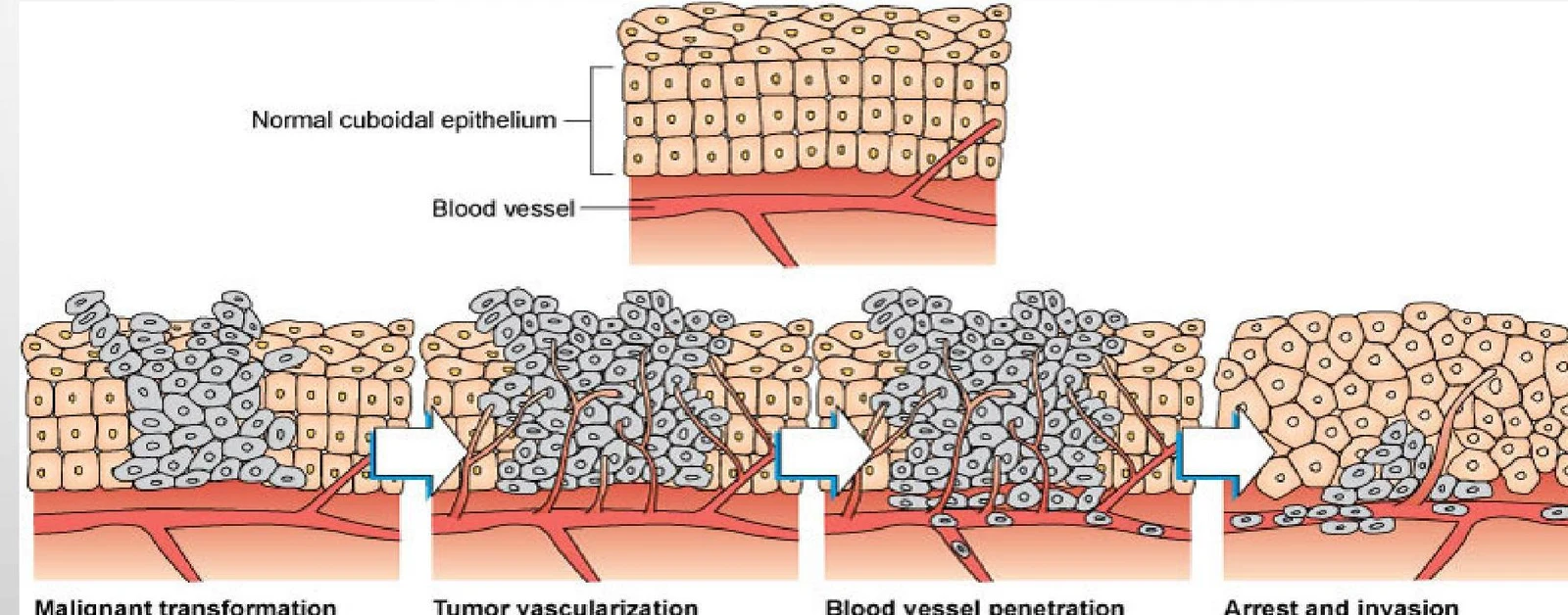
In the field of oncology, understanding the progression from normal cellular growth to invasive malignancy is critical for clinical practice. One of the most aggressive forms of lung cancer is Small Cell Carcinoma. This condition serves as a primary example of how cancer cells undergo malignant transformation, invade local tissues, and eventually travel to distant organs through the bloodstream.
Understanding Cancer Etiology and Development
Cancer begins when normal body cells undergo genetic or environmental changes that trigger uncontrolled division. The development of cancer typically follows a specific sequence: initiation, promotion, progression, and metastasis.
The etiology (cause) of cancer is often multifactorial. While the exact cause of many cancers remains unknown, several factors can increase a patient's risk, including:
- Genetic factors: Inherited predispositions.
- Environmental factors: Exposure to ionizing radiation, specific chemicals, or drugs.
- Personal lifestyle factors: Such as smoking or long-term occupational exposures.
Once a tumor forms, it may undergo tumor vascularization, where cancer cells secrete tumor angiogenesis factor (TAF) to stimulate the growth of new blood vessels into the tumor. This provides the nutrients necessary for growth and creates a "highway" for the cancer to spread.
Clinical Presentation and Diagnosis
A patient presenting with small cell carcinoma often displays systemic and respiratory symptoms. Common clinical manifestations include:
- A persistent, dry, hacking cough (lasting over 6 months).
- Hoarseness.
- Significant, unexplained weight loss (e.g., 30 pounds).
When a patient presents with these symptoms, initial imaging such as X-rays or CT scans may identify a "shadow" or a mass in the lung. However, imaging alone cannot confirm the specific type of cancer. To achieve a definitive diagnosis, a CT-guided needle biopsy is required. This procedure allows clinicians to extract a tissue sample to examine the cellular structure under a microscope, confirming whether the cells are indeed small cell carcinoma.
Keep reading for free.
Create an account to finish this reading and make it part of your study routine.
Continue reading freeAlready have an account? Log in
Updated