


Assisted Reproductive Technology (ART) has revolutionized the way individuals and couples approach family building. As success rates continue to climb, more people are turning to these medical interventions to overcome infertility. However, the use of ART is not merely a technical process of fertilization; it requires a sophisticated management of health risks, clinical objectives, and long-term wellness for both the parents and the potential children.
Understanding Assisted Reproductive Technology (ART)
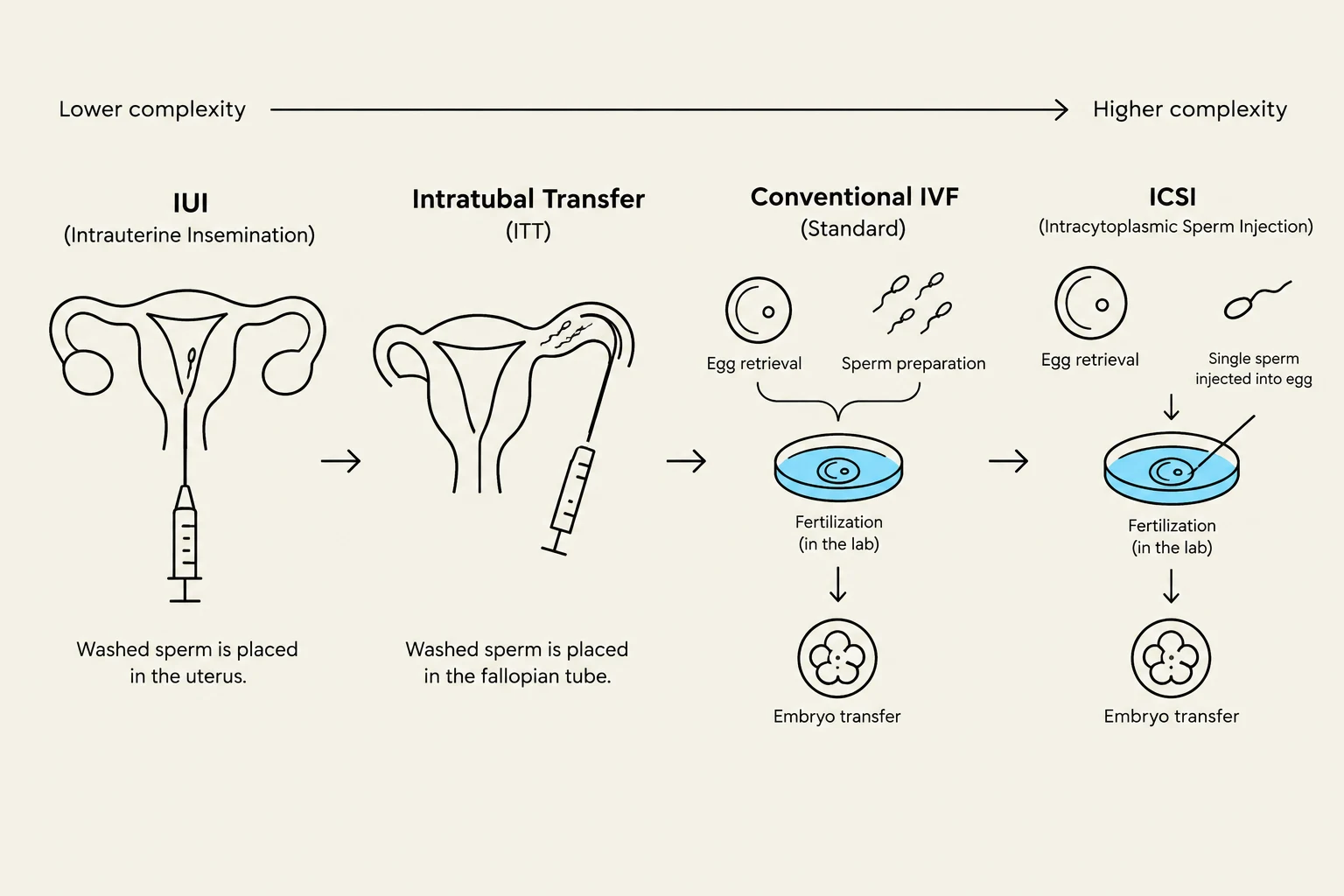
ART encompasses a variety of procedures designed to assist with conception or manage infertility. These methods can range from relatively simple interventions to highly complex laboratory-based procedures. Common forms of ART include:
- Intrauterine Insemination (IUI): A common method used to assist with conception.
- Gamete Intratubal Transfer: A simplified version of IVF where both sperm and eggs are placed directly into the fallopian tubes, often used for unexplained or tubal factor infertility.
- Zygote Intratubal Transfer: A procedure where a fertilized egg (zygote) is transferred into the fallopian tube, utilized when the tubes are healthy and functional.
- In Vitro Fertilization (IVF): The most complex and widely known procedure, involving fertilization outside the body.
- Cryopreservation: The reservation and freezing of embryos for future use.
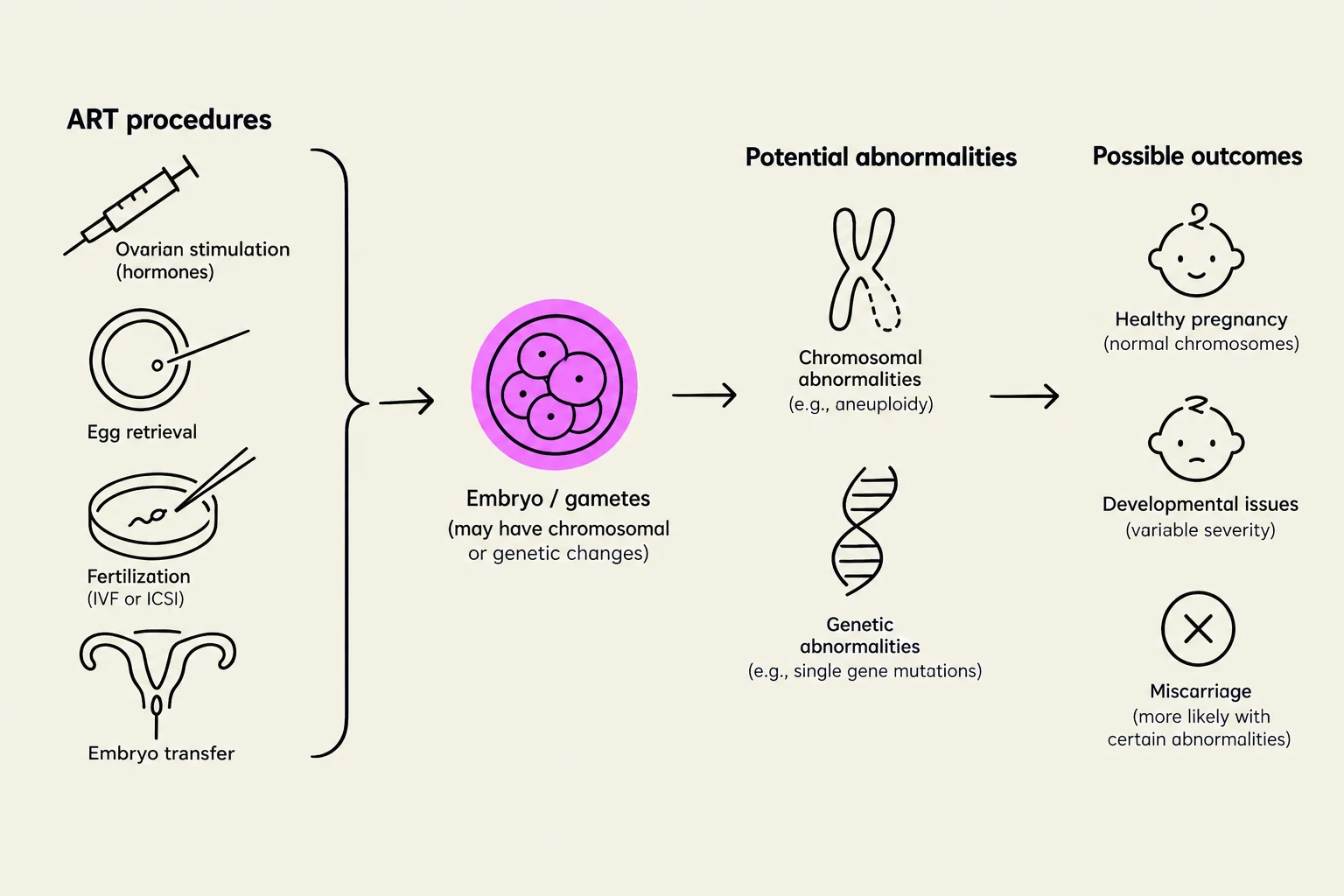
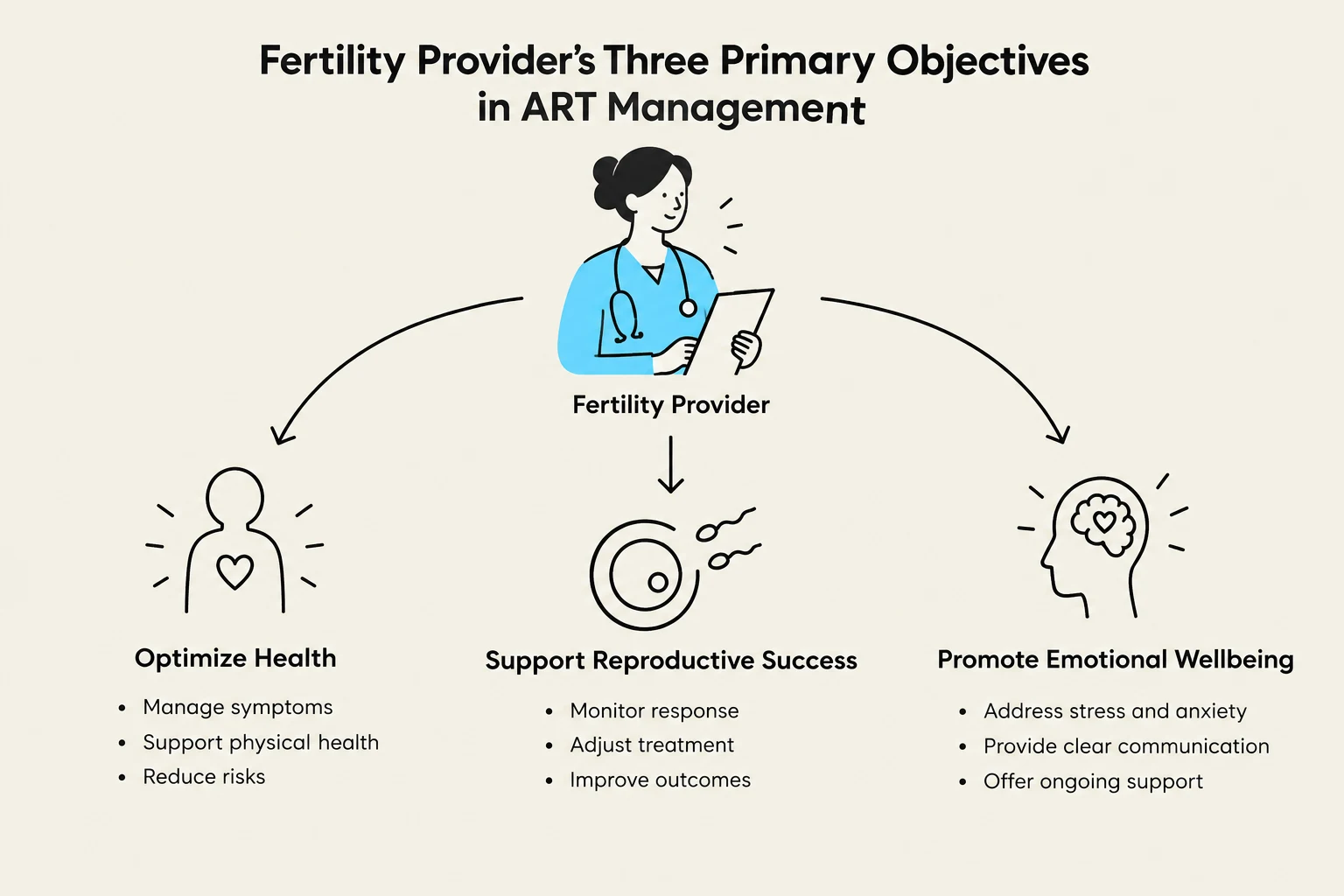
The primary goal of a fertility provider when managing ART is threefold: to optimize the health of the individual, to address abnormalities that might impact pregnancy, and to provide comprehensive care to the couple throughout the entire reproductive journey.
The IVF Process: A Deep Dive
In Vitro Fertilization (IVF) is a multi-step clinical process that requires precise timing and medical expertise. Because it involves manipulating biological material in a laboratory setting, it is often the most resource-intensive option.
Keep reading for free.
Create an account to finish this reading and make it part of your study routine.
Continue reading freeAlready have an account? Log in
Updated