


The rising prevalence of childhood obesity has emerged as one of the most significant public health challenges of the modern era. Once considered a concern primarily for adults, weight-related health issues are increasingly manifesting in younger populations, spanning from infancy through adolescence. Addressing these issues early is not merely a matter of weight management; it is a critical intervention strategy to secure long-term health and prevent a lifetime of chronic metabolic and cardiovascular diseases.
Epidemiological Trends: A Growing Concern
Statistical data reveals a clear and concerning trajectory regarding weight categories in children. Long-term datasets, such as those provided by the Central Bureau of Statistics (CBS), illustrate a visible upward trend in the percentage of children categorized as overweight or obese.
When analyzing data from 1981 through to recent years, the trends show a progressive increase in weight categories among the 0 to 18 age group. This increase is not limited to a single category but spans from moderate overweight to severe overweight.
Figure 1: StatLine data visualization showing the increase in overweight and obesity categories over time.
The upward trajectory of these bars in recent decades highlights the necessity for proactive clinical intervention rather than reactive treatment.
Clinical Implications and Health Risks
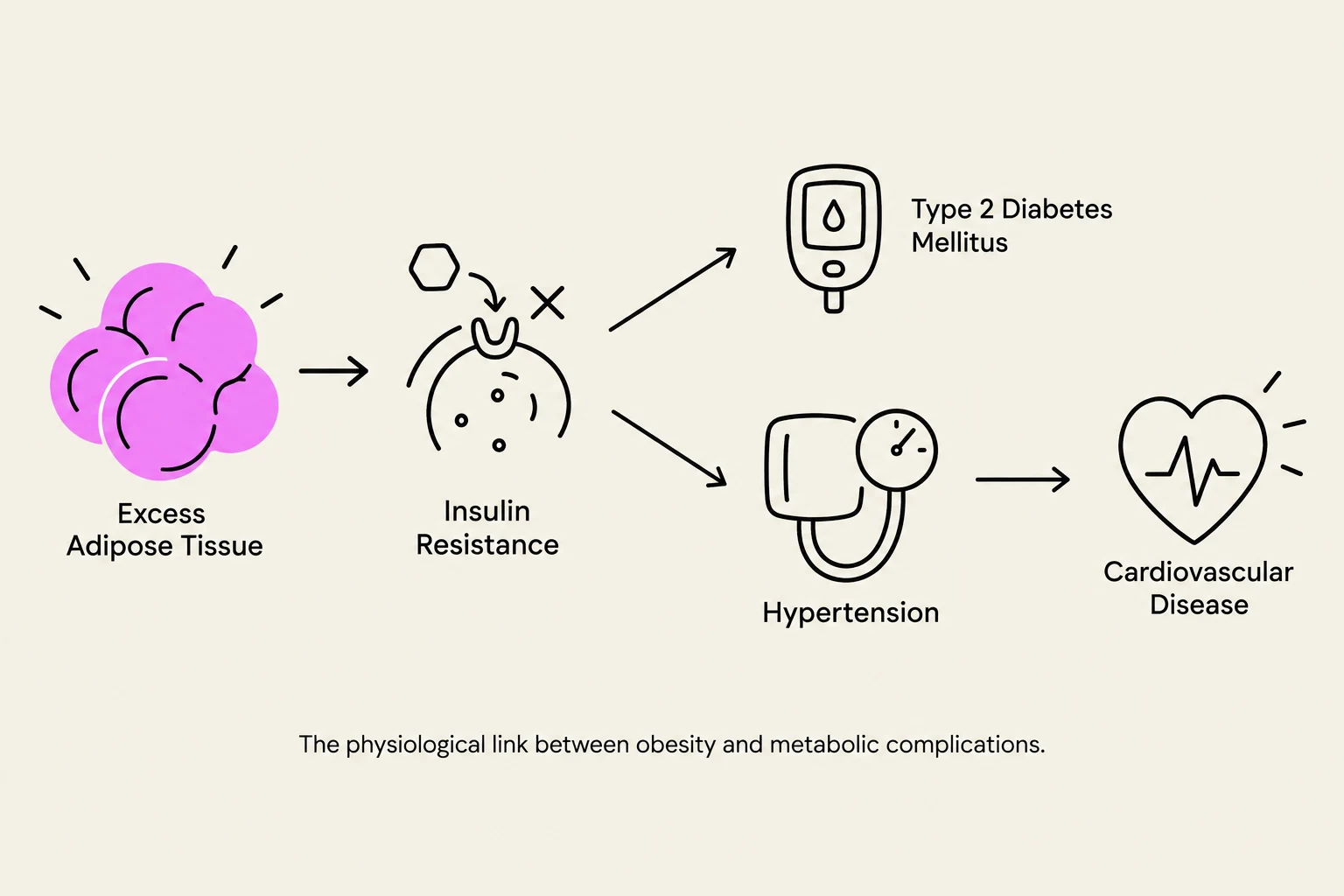
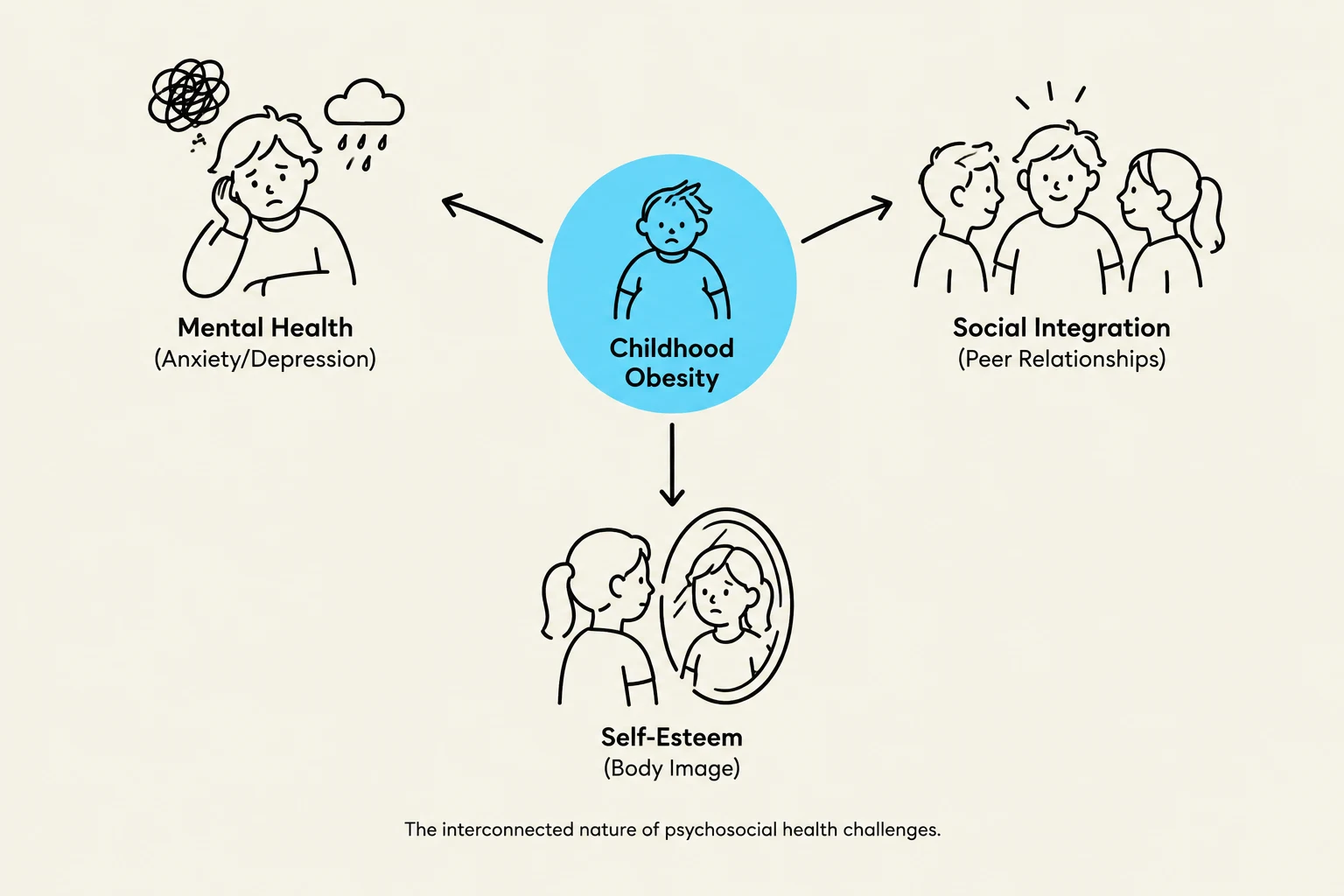
Obesity in children acts as a precursor to a wide array of serious physiological and psychological complications. Because the body is still developing, the metabolic impact of excess adipose tissue can be particularly damaging.
Keep reading for free.
Create an account to finish this reading and make it part of your study routine.
Continue reading freeAlready have an account? Log in
Updated