


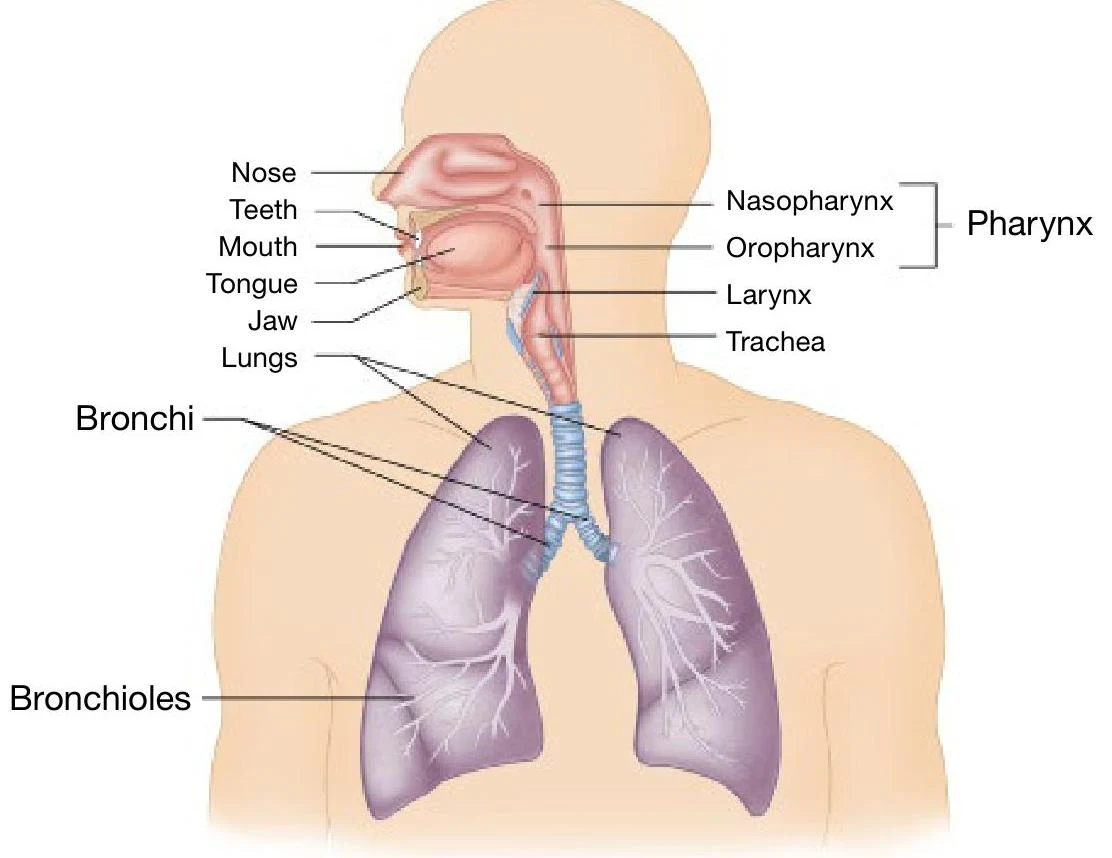
Breathing is one of the most fundamental functions of the human body, yet it can be compromised in an instant. When a person's ability to move air in and out of their lungs is impaired, it constitutes a medical emergency. Understanding the distinction between different types of respiratory issues—ranging from the struggle to breathe to the complete cessation of breathing—is essential for providing effective first aid and potentially saving a life.
Understanding Respiratory States
In emergency medicine, breathing emergencies are categorized into two primary states: respiratory distress and respiratory arrest.
Respiratory Distress
Respiratory distress occurs when a person is struggling to breathe but is still moving air. This is a condition where breathing is difficult, and the body is working harder than usual to maintain oxygen levels. Common causes include asthma, Chronic Obstructive Pulmonary Disease (COPD), allergic reactions, pneumonia, or heart failure.
Key signs to look for include:
- Shortness of breath or gasping.
- Wheezing sounds.
- Difficulty speaking in full sentences.
- Cool, moist skin.
Respiratory Arrest
Respiratory arrest is a more critical state where breathing has stopped entirely or is no longer effective. This is a life-threatening emergency because brain cells begin to die after only 4 to 6 minutes without oxygen. Immediate intervention, such as calling EMS/9-1-1 and potentially beginning CPR, is critical.
Hyperventilation
Hyperventilation is a specific type of breathing emergency where a person breathes much more rapidly than usual. This rapid breathing upsets the delicate balance of oxygen and carbon dioxide in the blood.
Hyperventilation is often triggered by intense emotions, anxiety, or physical injury. A person experiencing this may report:
Keep reading for free.
Create an account to finish this reading and make it part of your study routine.
Continue reading freeAlready have an account? Log in
Updated